



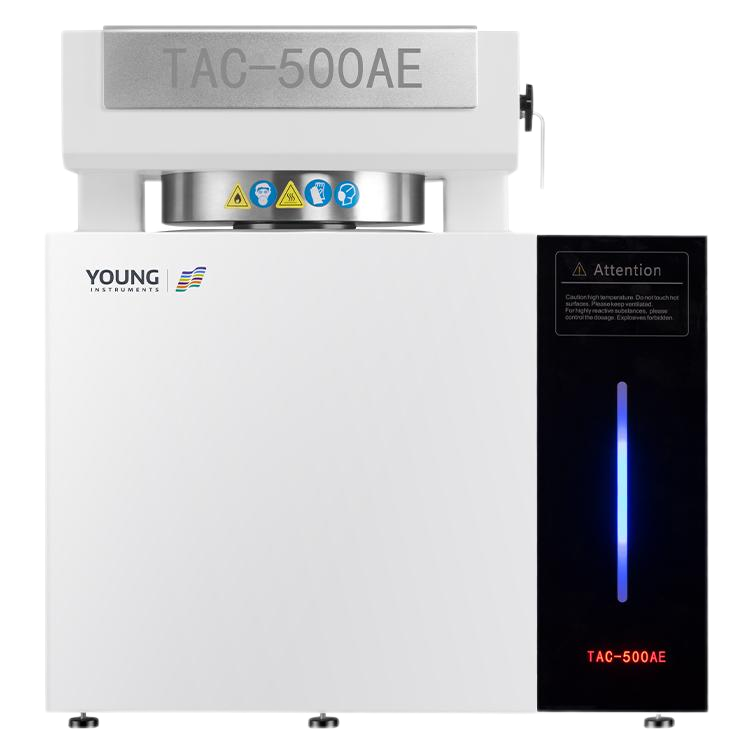
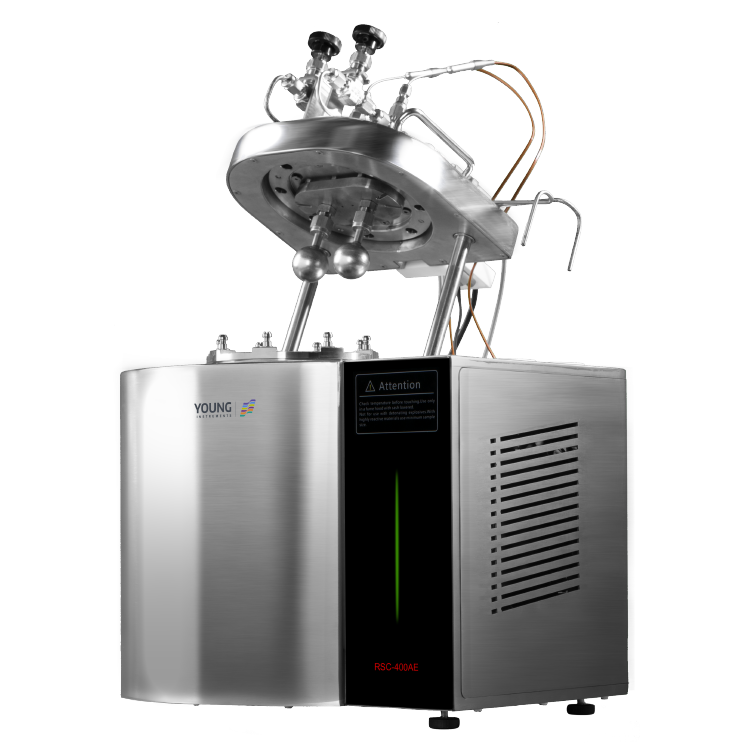
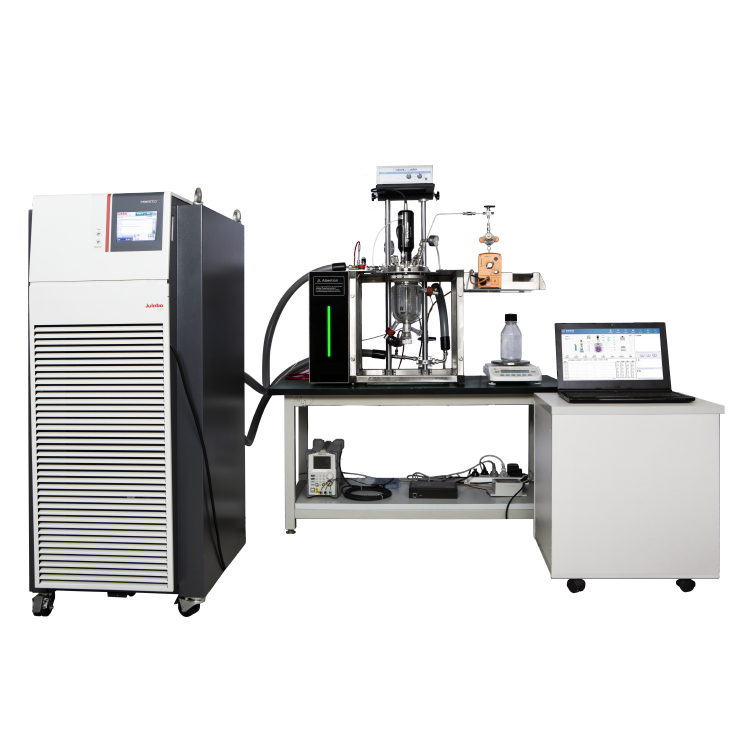
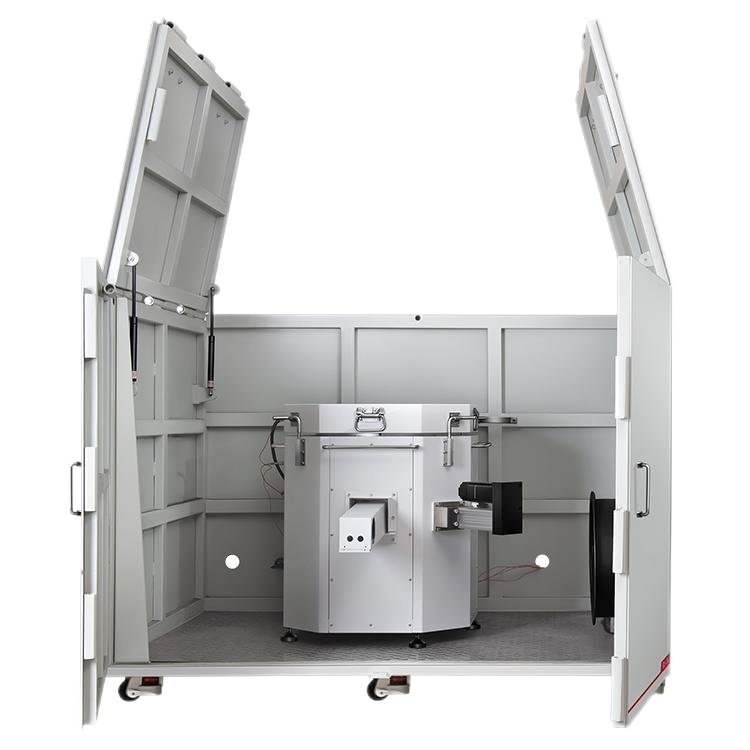
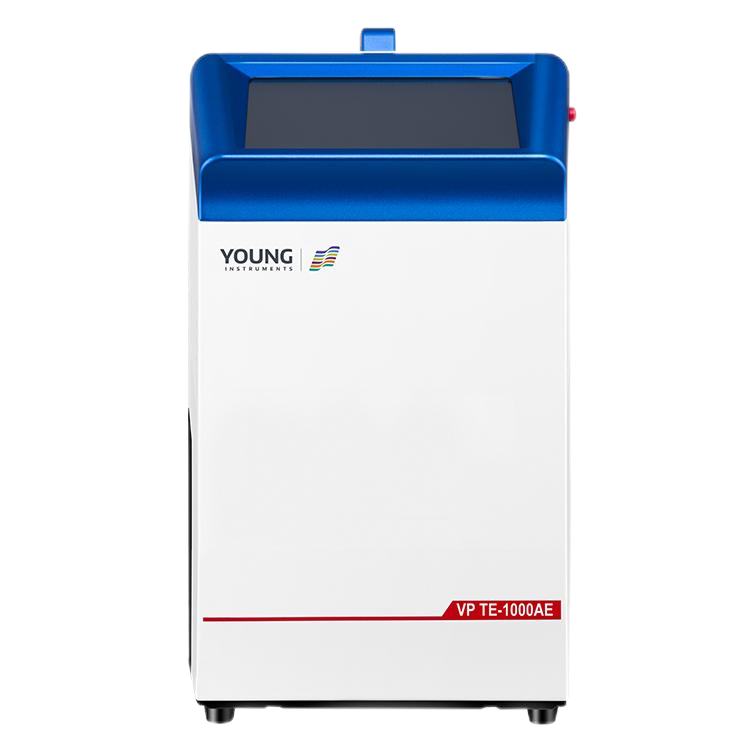
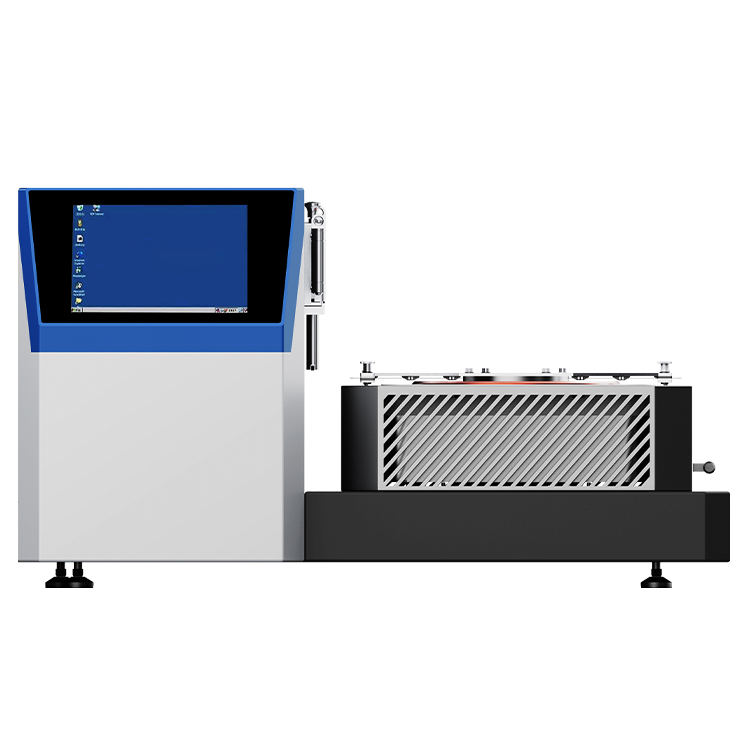
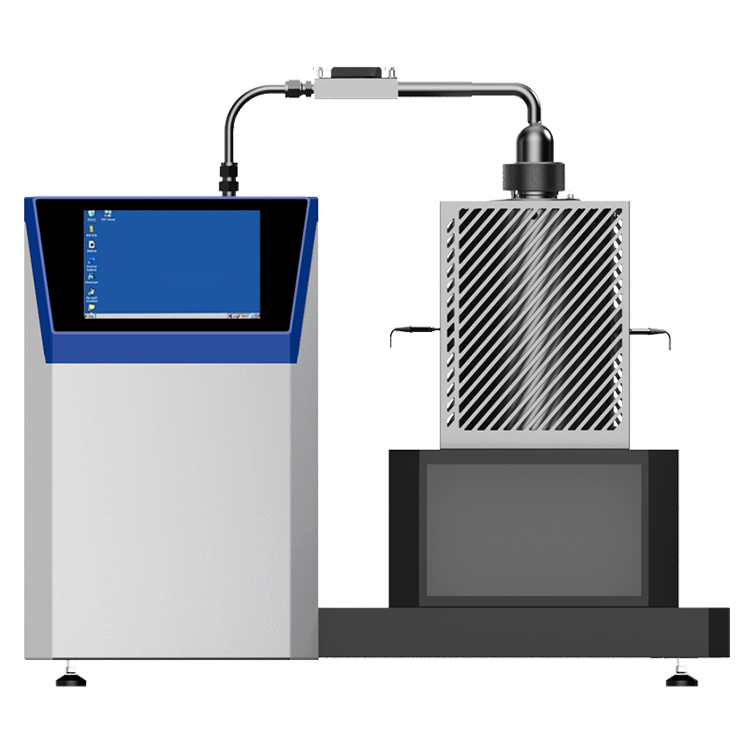
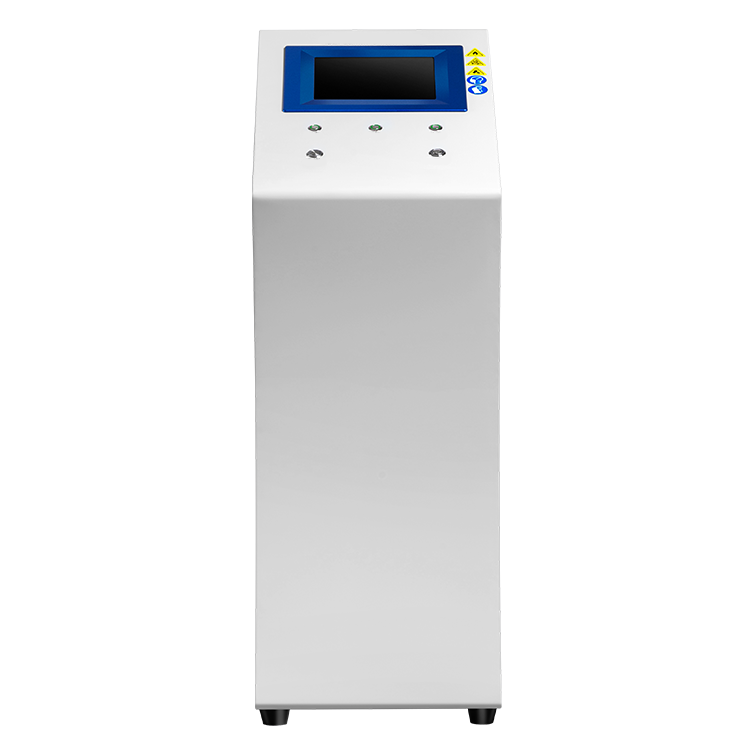
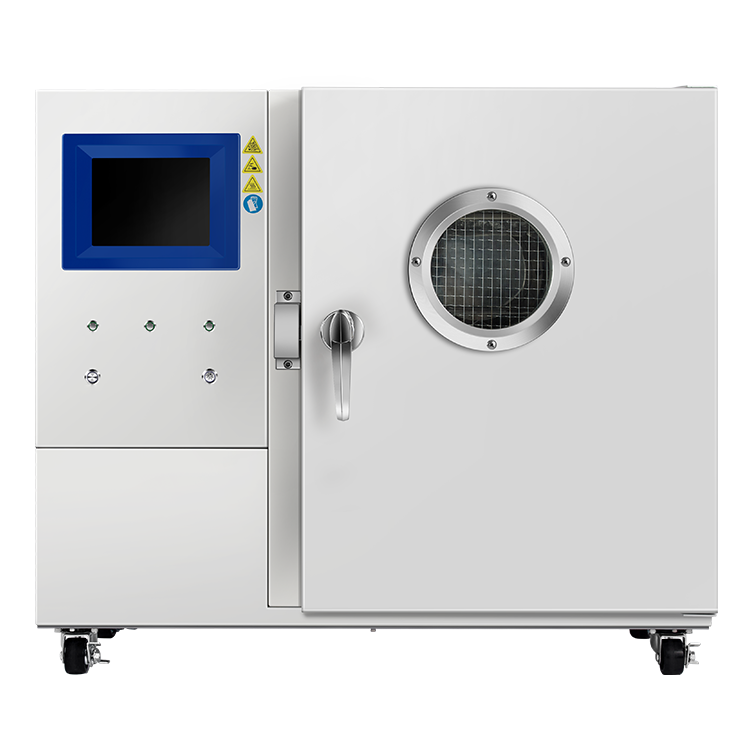










Dual-State Thermal Parameter Tester Applied to Thermal Conductivity Testing of Square Lithium Batteries
In the realm of thermal management for lithium-ion batteries, the development of accurate thermal parameter testers emerges as a revolutionary step, particularly catering to the testing needs of square-shaped (prismatic) batteries. This innovation is poised to bridge a critical industry gap in thermal conductivity testing and foster advancements in thermal management and safety design technologies across various sectors, including electric vehicles, energy storage, consumer electronics, and aerospace.
Thermal management systems are crucial for enhancing the stability, safety, and service life of lithium-ion batteries. The design and optimization of these systems rely heavily on thermal simulation analysis. The reliability of these simulations depends not only on robust models but, more importantly, on accurate thermophysical parameters—such as thermal conductivity, specific heat capacity, and heat transfer coefficient—as essential inputs. Among these, thermal conductivity is one of the most critical parameters.
However, the absence of effective testing methods and instruments has prevented the establishment of a universal standard for measuring the thermal conductivity of individual battery cells. While some viable methods exist for pouch cells—for example, using a 3D Thermal Properties Analyzer or steady-state methods—there is still no effective non-destructive testing technique for more structurally complex prismatic cells without disassembling their casing. Consequently, the industry often relies on empirical values or theoretical models for estimation.
Given that prismatic cells dominate applications in new energy vehicles and energy storage, accounting for over 80% of installations—far exceeding pouch and cylindrical cells—developing accurate thermal conductivity testing technologies for prismatic batteries is of paramount importance for the industry’s progress.
Testing Principle
Square batteries are heterogeneous samples with a typical core-shell structure. On one hand, there is a significant difference in thermal conductivity between the inner jelly roll and the outer aluminum casing. The thermal shielding effect of the casing will render the aforementioned pouch cell testing methods ineffective. On the other hand, the contact thermal resistance between the jelly roll and the casing is also a critical parameter affecting heat transfer within the cell, which must be simultaneously measured and evaluated.
To address the challenge of measuring thermal parameters of square batteries without disassembly, we have developed a “heat storage-release” two-state testing method based on non-contact temperature measurement via infrared thermal imaging and inverse modeling of heterogeneous heat transfer. This method allows for the simultaneous determination of the longitudinal and in-plane thermal conductivities of the jelly roll, as well as the contact thermal resistance between the jelly roll and the casing, in a single experiment. Below is a brief introduction to the testing method:
Computational Model
To simplify calculations without altering the heat transfer behavior of the battery, as shown in Fig. 2, the square battery can be simplified into a heterogeneous equivalent model consisting of a metal shell and an internal core. The core exhibits orthotropic thermal properties, while the shell is homogeneous with known thermophysical parameters. The four key parameters of this heterogeneous model are:
- Core thermal conductivity: in-plane thermal conductivity kin, longitudinal thermal conductivity kcr;
- Interfacial heat transfer coefficient: heat transfer coefficient between the core and shell (large face) hxy, heat transfer coefficient between the core and shell (cooling face) hyz.
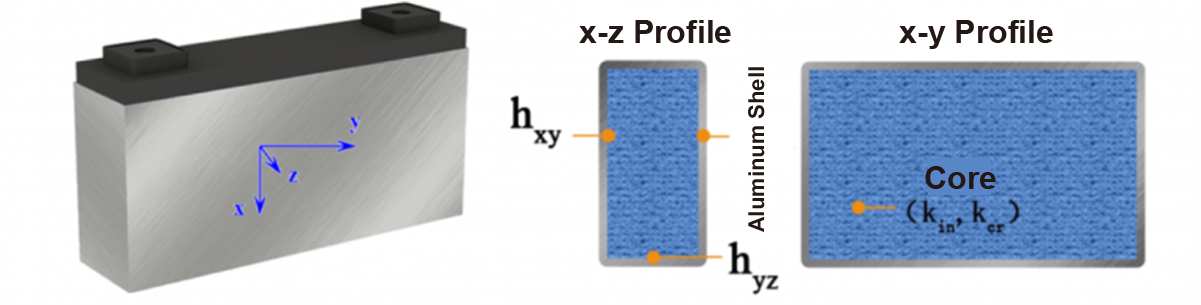
Calculation Model
Core Concept: The method simulates the process during battery operation, where the core generates heat and dissipates it to the casing and cooling plate. The heat dissipation rate of the casing depends on the core’s thermal conductivity and the contact thermal resistance. These thermal parameters can be calculated by observing the temperature distribution and dynamic changes on the casing surface.
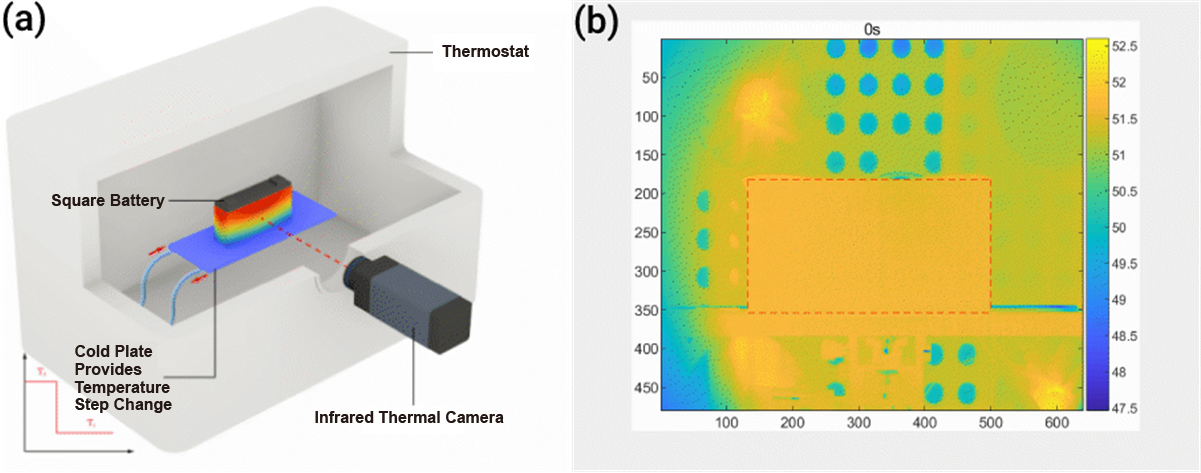
As shown in Fig. 3a, the experiment consists of two main phases: “heat storage” and “heat release”.
- Heat storage phase: The battery is placed in a constant-temperature environment at temperature T0 until thermal equilibrium is reached.
- Heat release phase: The cooling water inside the cold plate is activated, causing the temperature of the casing cooling surface to undergo a step change from T0 to T1 ( T1 < T0 ). Meanwhile, an infrared thermal imager records the evolution of the temperature field on the largest surface of the battery casing (as shown in Fig. 3b).
The spatial and temporal temperature data recorded by the thermal imager are input into a heterogeneous heat transfer model for inversion, enabling the calculation of the four thermal parameters (kin, kcr, hxy, hyz) of the square lithium-ion battery.
Furthermore, using these parameters and establishing equivalent evaluation conditions based on simulation results from a homogeneous model, the equivalent in-plane thermal conductivity (kin-uni) and equivalent longitudinal thermal conductivity (kcr-uni) of the square battery can also be derived
Testing Case Study
A square lithium battery from a domestic manufacturer was tested using the method described above. The experimental results are shown in Fig. 4.
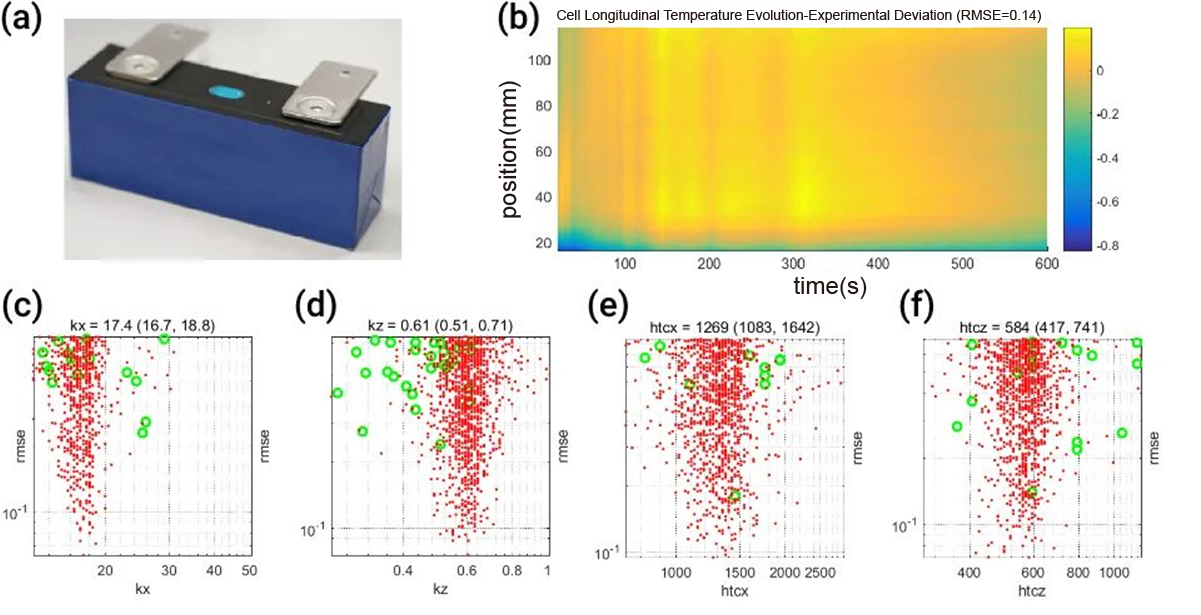
According to the inversion results, the obtained thermal parameters for the battery are as follows:
- kin= 17.4 W/(mK),
- kcr = 0.61 W/(mK),
- hxy = 1269 W/(m2K),
- hyz = 584 W/(m2K).
The error curves (Fig. 4c–f) indicate that the inversion method exhibits good sensitivity to all four parameters, with no significant mutual compensation effects observed. Moreover, the prediction error results (Fig. 4b) show that the root mean square error of the longitudinal temperature distribution during the 10-minute cooling process is less than 0.2℃, and the real-time error across most regions remains within 0.2℃, demonstrating the high accuracy of the measured parameters.
Conclusion
In summary, this paper briefly introduces the application of the “heat storage-release” two-state method for measuring the thermal parameters of square batteries. This approach addresses a critical gap in the industry and contributes to the advancement of thermal management and safety design technologies for lithium batteries in applications such as new energy vehicles and energy storage systems.


