













Flash Point Analysis for Fuel Dilution in Marine Engine Oil
Large vessels require long-term continuous navigation at sea. Although onboard oil management is strictly implemented, the risk of lubricating oil contamination persists. Contamination may result from operational errors by personnel or from the gradual seepage of fuel oil through gaps between cylinder liners, pistons, and piston rings into the engine crankcase. Minor fuel leaks are often undetectable by visual inspection, yet can significantly reduce the lubricant’s flash point, potentially causing the oil to ignite at operating temperatures and damage the engine. Additionally, contamination can impair lubricating performance, accelerating engine wear. Therefore, continuous monitoring of fuel content in lubricating oil is essential during voyages to determine whether oil replacement is necessary.
Flash point testing provides a rapid and effective method for detecting impurities in oil products.
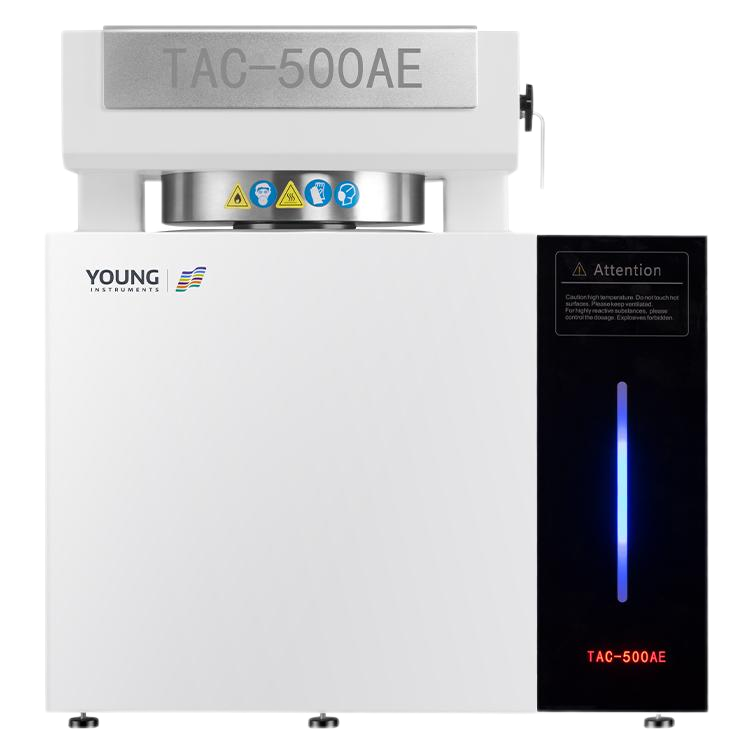
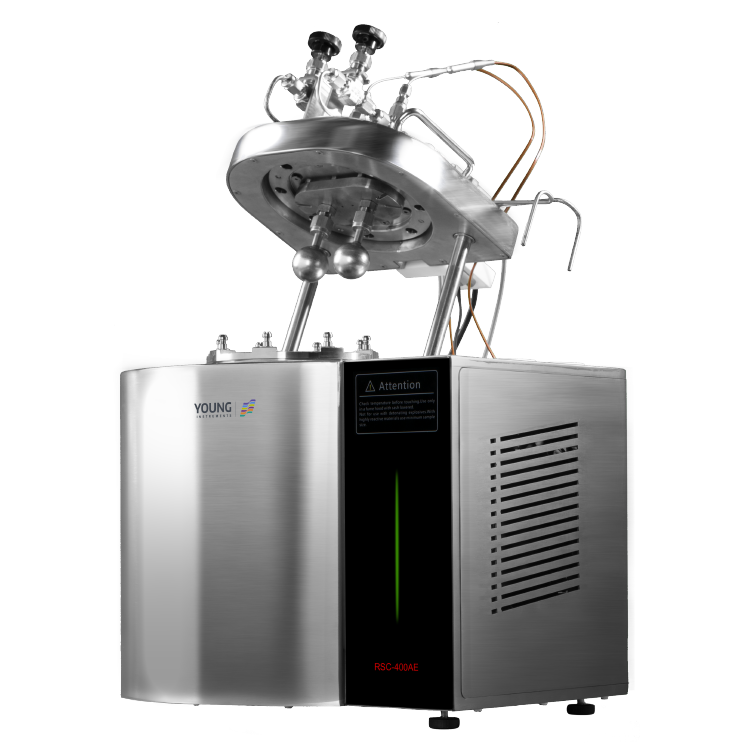
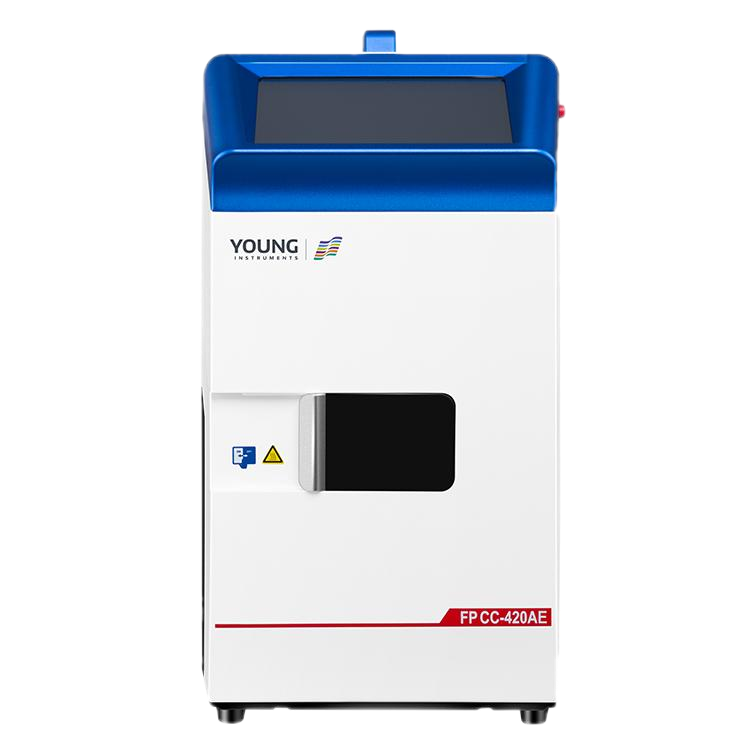
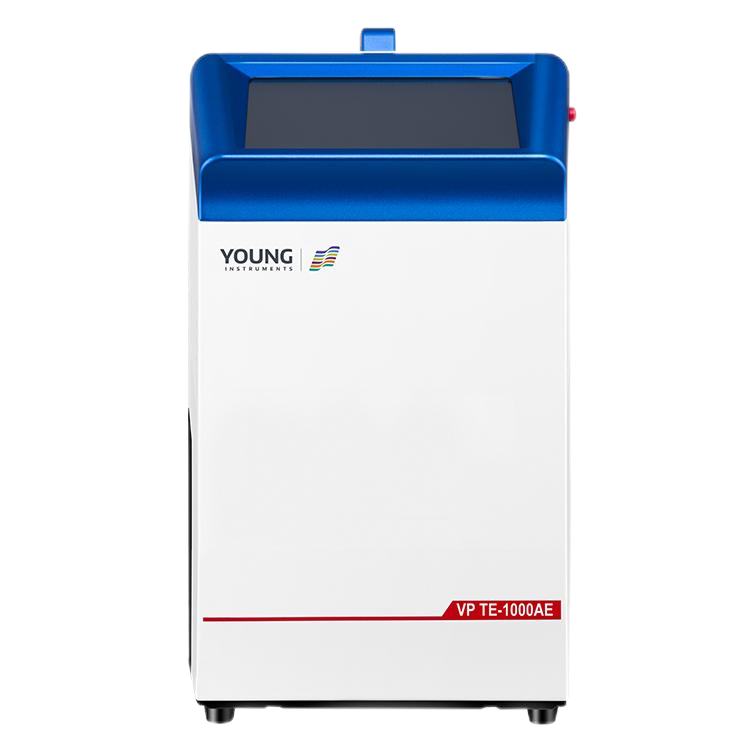
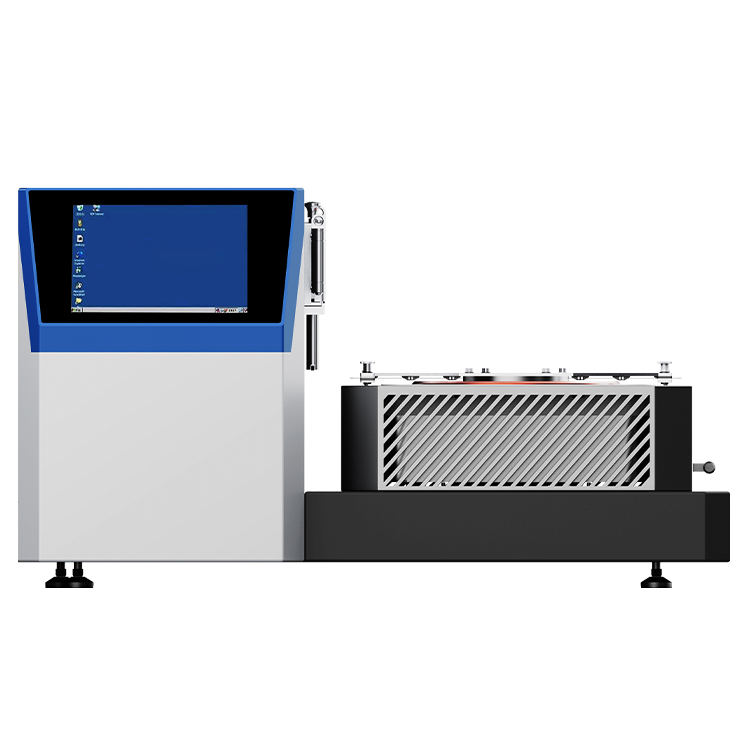
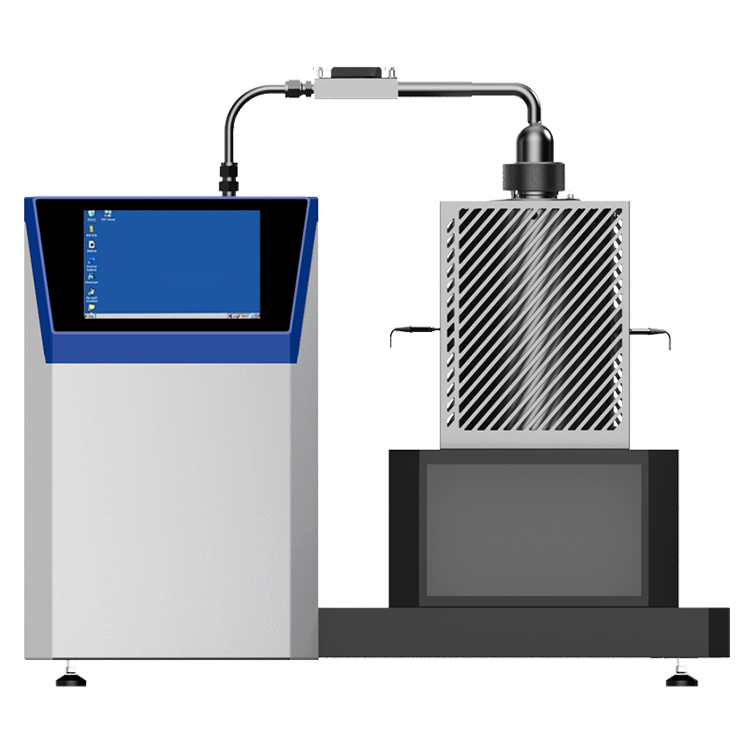
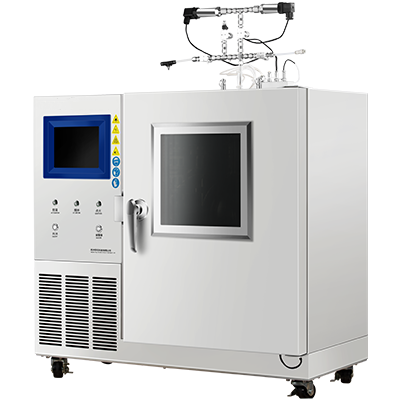
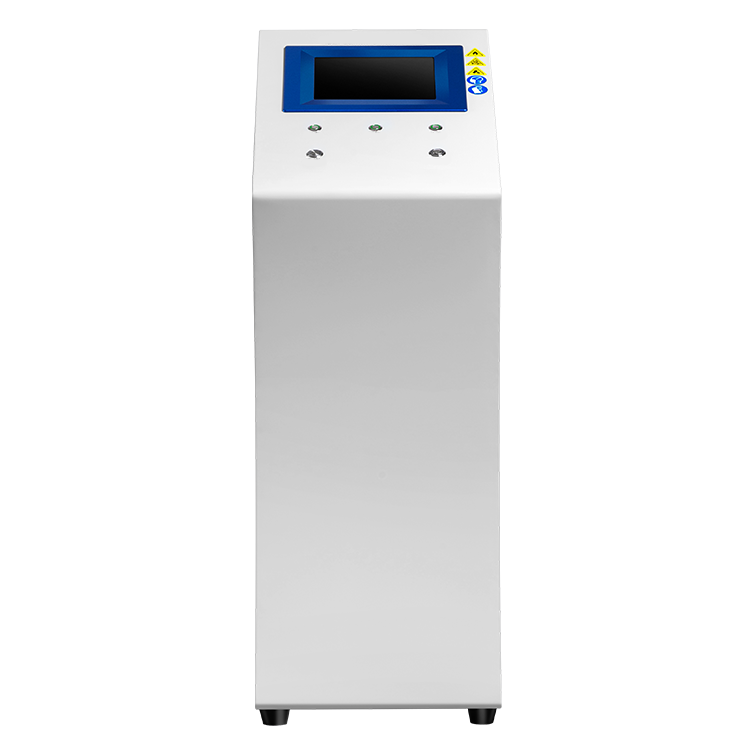
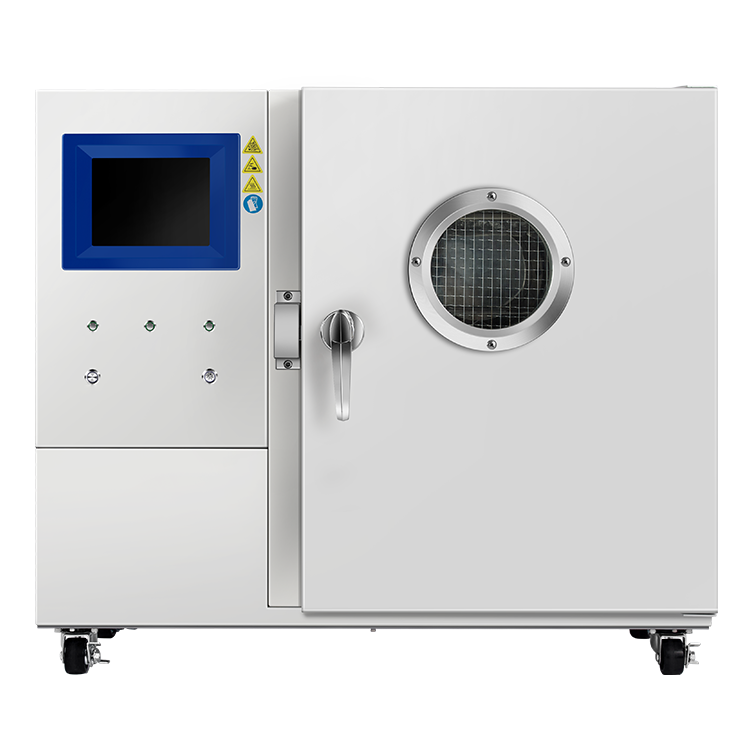
However, maritime operations are frequently accompanied by unpredictable vibrations. Traditional methods, such as the Pensky-Martens closed-cup method, which require larger sample volumes and longer test durations, increase the risk of sample spillage. Combined with open-flame ignition, this poses a significant fire hazard, rendering such methods unsuitable for onboard use. In contrast, the FP CC-420AE micro continuous closed-cup flash point tester requires only 1–2 mL of sample and approximately 10 minutes per test. Utilizing high-voltage electric ignition (a flameless method), they offer enhanced safety and are well-suited to meet the demands of flash point testing during ship operations.
Experimental Conditions
Sample Preparation
- Materials: Lubricating oil (MOBIL GARGOYLE ARCTIC OIL 300), Diesel fuel.
- Standard Solution Preparation: Using a pipette, precise volumes of lubricating oil and diesel fuel were drawn and thoroughly mixed to prepare 12 samples with a gradient of diesel concentration ranging from 0% to 6% by volume.
Experimental Conditions
- Apparatus: FP CC-420AE Micro Continuous Closed-Cup Flash Point Tester
- Test Method: ASTM D7094
- Pre-set Flash Point Range: Maximum 210℃, Minimum 140℃
- Sample Volume: 2.0 mL ± 0.2 mL
- Heating Rate: 2.5 ℃/min ± 0.3 ℃/min
- Ignition Frequency: 1 ℃
- Flash Detection Pressure Rise Threshold: 20 kPa
Test Procedure
The standard solutions described above were tested in sequence from the lowest to the highest diesel concentration. For each sample, 2 mL was aspirated using a pipette and dispensed into the sample cup. The expected flash point value was set, and the test was initiated. The instrument automatically executes the test sequence. Upon completion, the flash point value is automatically corrected to standard atmospheric pressure (101.3 kPa).
After the current test concludes, the sample cup is rinsed with anhydrous ethanol. It is then baked clean for 3 minutes at a temperature 10℃ higher than the expected flash point of the next sample to remove any potential residues within the test chamber. Following this cleaning procedure, the next sample is loaded and tested.
Experimental Result
As shown in Figure 1, the relationship between the lubricating oil’s flash point value and the diesel contamination concentration can be obtained.
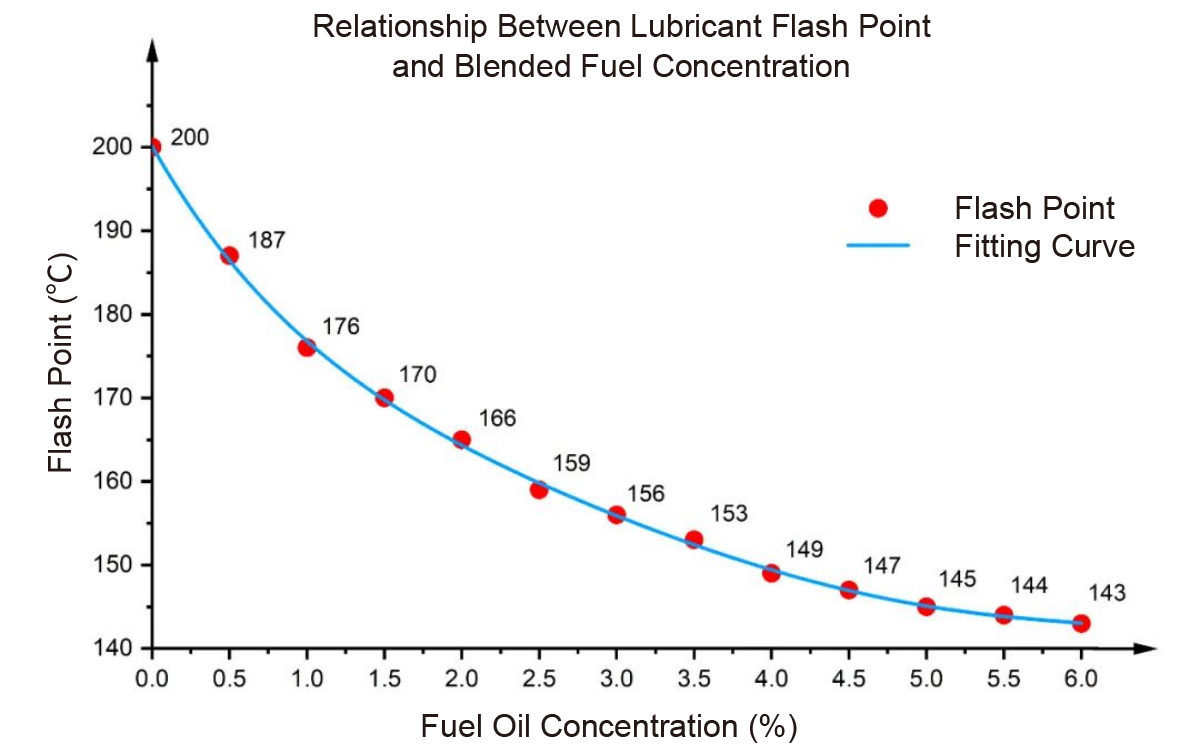
The experimental results indicate that higher diesel content in the lubricating oil leads to a lower flash point. This occurs because the flash point of lubricating oil is typically above 200℃, whereas the flash point of diesel fuel generally ranges between 45℃ and 120℃. The introduction of even a small amount of low-boiling-point impurities significantly reduces the flash point of the high-boiling-point substance. Furthermore, the test data can be used to establish a lubricant dilution model. Once the flash point of an unknown lubricating oil sample is measured, this model can determine whether the oil is contaminated and quantitatively analyze the degree of contamination.
Conclusion
The FP CC-420AE micro continuous closed-cup flash point tester provides a convenient, efficient, and accurate method for monitoring engine “fuel dilution” phenomena during vessel navigation. It enables the quantitative analysis of contaminant levels, thereby significantly reducing the risk of marine engine failures and maintenance costs, ultimately ensuring safer and more reliable shipping operations.


