













Thermal Runaway Testing of High-Capacity 9-Series Ternary Lithium-Ion Batteries
9-Series Ultra-High Nickel Ternary Lithium-Ion Batteries refer to ternary lithium-ion batteries with a cathode material elemental ratio of Ni:Co: Mn = 9:0.5:0.5. As a solution that has pushed the performance limits of lithium battery cathode materials in the short term, 9-series batteries boast a theoretical energy density exceeding 300 Wh/kg.
Due to their ultra-high energy density, 9-series batteries have attracted significant attention from automakers focused on extending the driving range of new energy vehicles. However, high energy density comes with potentially elevated safety risks, making it particularly critical to obtain thermal runaway characteristic parameters for these batteries.
The thermal runaway process in 9-series batteries is extremely violent, with a high probability of damaging testing equipment. As a result, there is a notable scarcity of adiabatic thermal runaway experimental data for 9-series batteries, leaving battery thermal management design without sufficient experimental support.
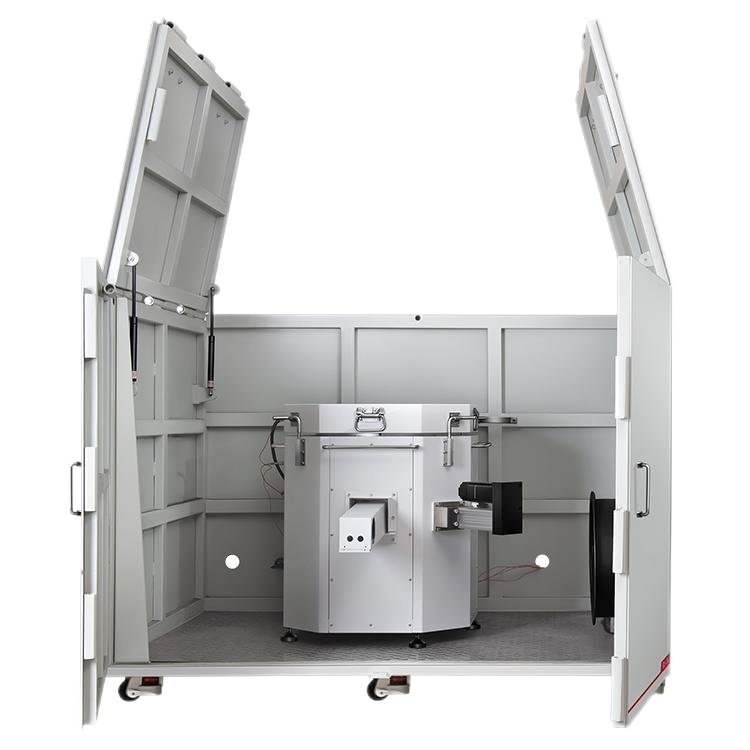
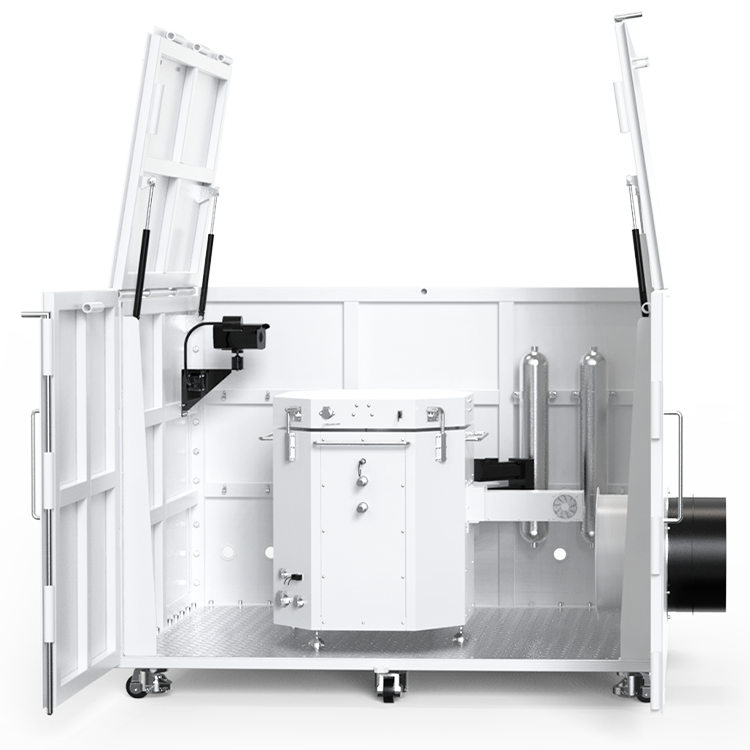
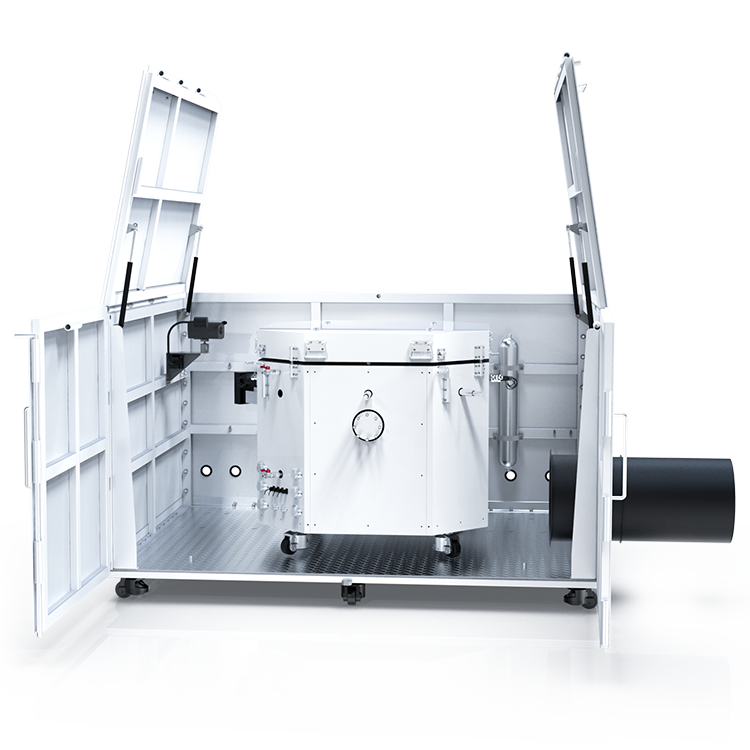
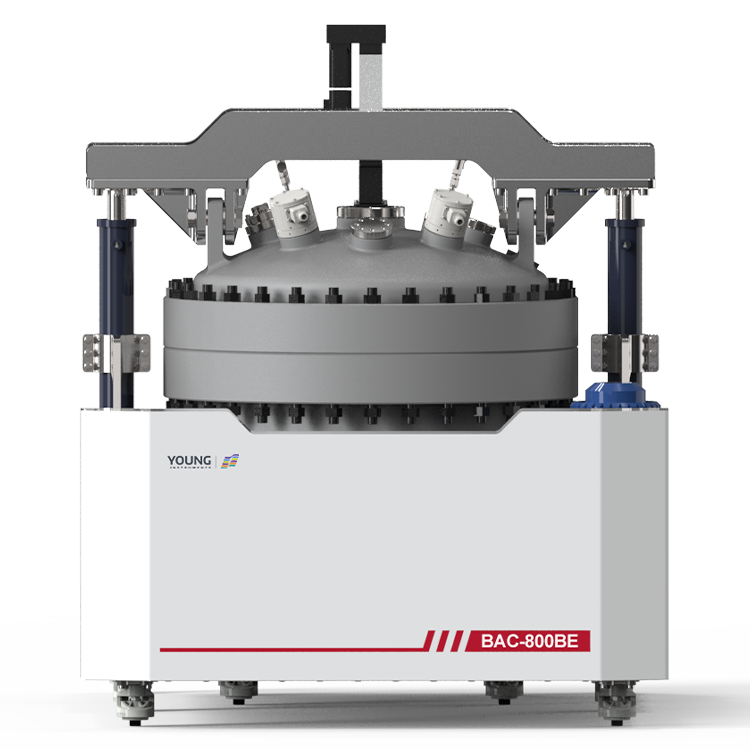
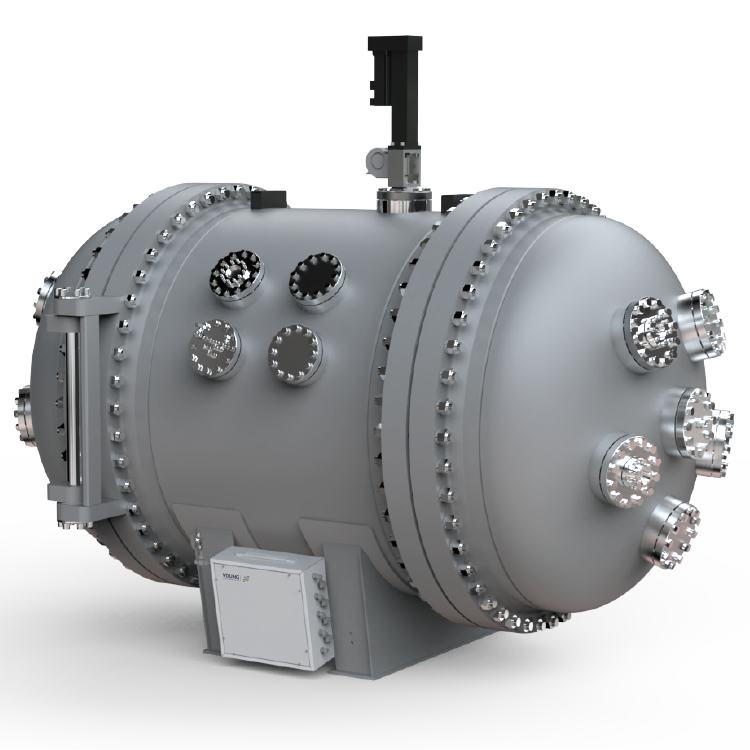
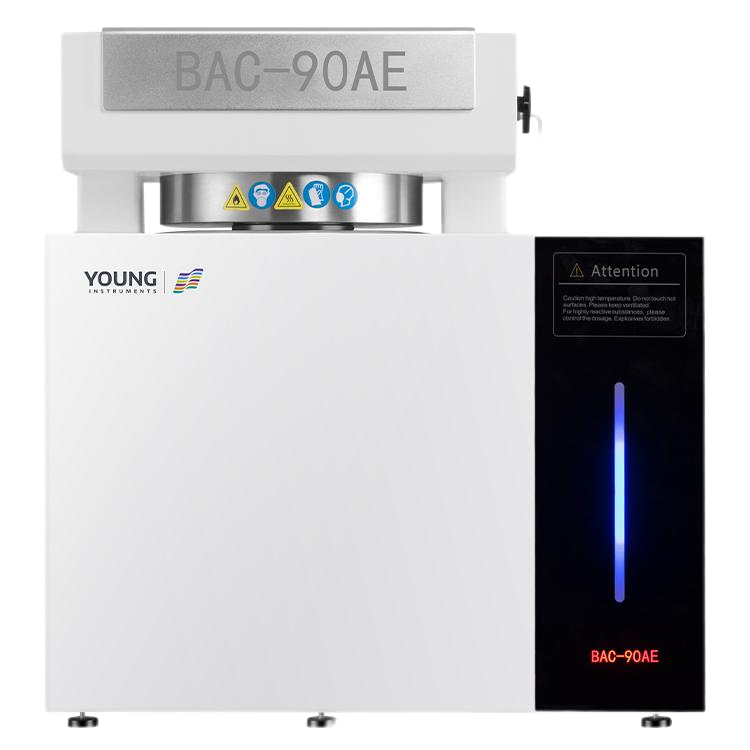
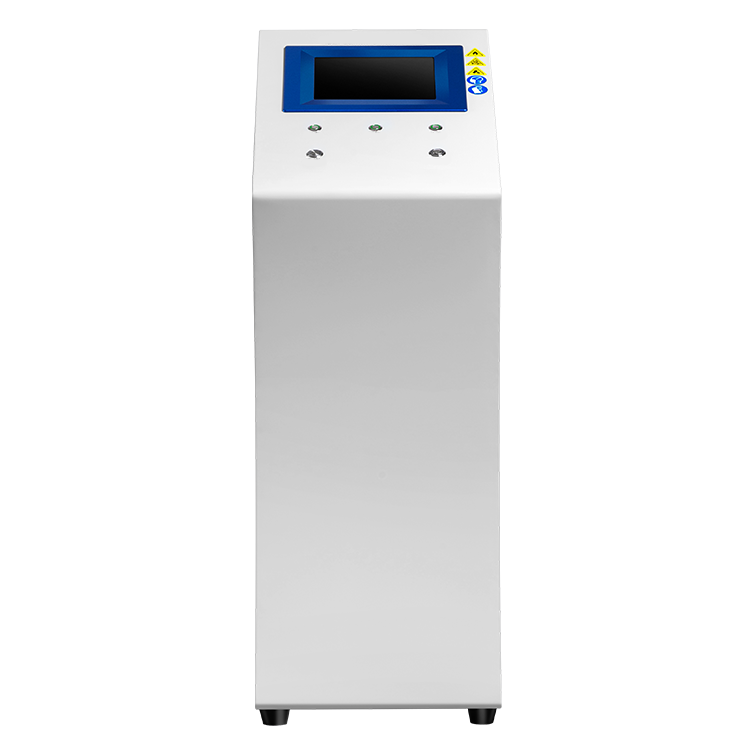
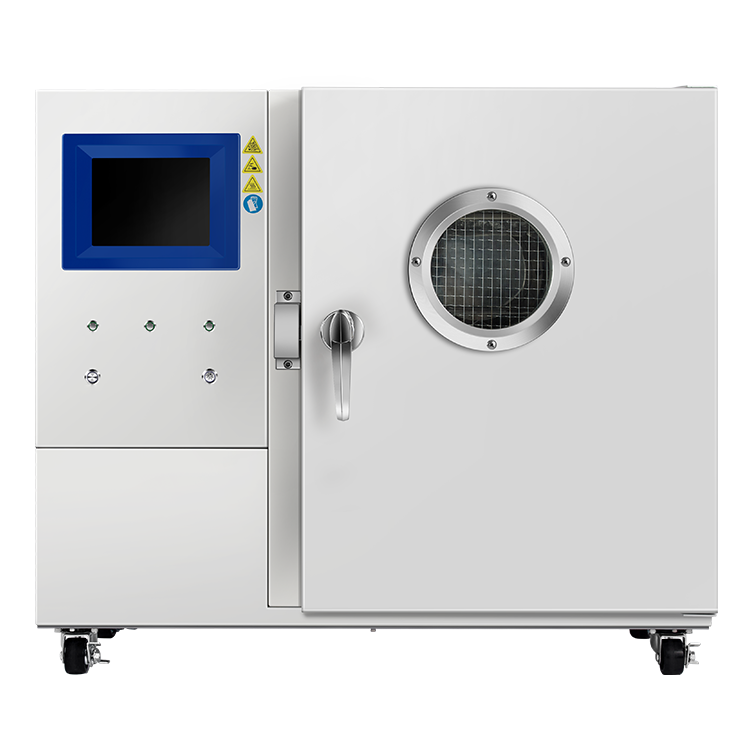
This study employed the BAC-420AE Large Battery Adiabatic Calorimeter to conduct adiabatic thermal runaway tests on 130Ah 9-series NCM ultra-high nickel lithium-ion batteries. The obtained data includes key thermodynamic characteristic parameters during the thermal runaway process. These findings will help researchers better understand the thermal runaway hazards of 9-series batteries and optimize battery safety designs.
Experimental Conditions
- Sample: One 130Ah 9-series NCM lithium-ion battery (260mm × 100mm × 25mm, 100% SOC)
- Instruments: BAC-420AE Large Battery Adiabatic Calorimeter
- Operating Modes: HWS mode, temperature difference baseline mode
- Standard Aluminum Block: 6061 aluminum alloy
However, high energy density is accompanied by potential high risks. Therefore, obtaining thermal runaway characteristic parameters of 9-series batteries is particularly important. However, the thermal runaway process of 9-series lithium batteries is very intense, with a high probability of damaging instruments. Thus, experimental data on adiabatic thermal runaway of 9-series lithium batteries are extremely lacking, and battery thermal management design lacks experimental data support.
This article conducted adiabatic thermal runaway tests on 130Ah 9-series NCM ultra-high nickel lithium-ion batteries using the BAC-420A Large Battery Adiabatic Calorimeter to obtain relevant thermodynamic characteristic parameters of the thermal runaway process of this battery. The related results are helpful for researchers to clarify the thermal runaway hazards of 9-series batteries and optimize battery safety design.

Experimental Procedure
Temperature Difference Baseline Calibration
A standard aluminum block with identical dimensions to the battery was used to perform the Temperature Difference Baseline mode experiment, calibrating the thermocouples and instrument.
HWS Experiment with Standard Aluminum Block
The standard aluminum block was tested in HWS mode to verify the effectiveness of the Temperature Difference Baseline calibration and the adiabatic performance of the instrument during operation.
Battery HWS Experiment
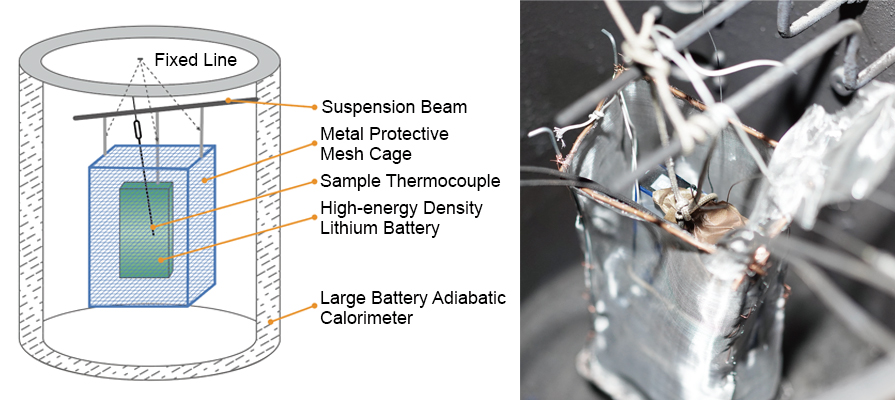
To prevent damage to the chamber caused by thermal runaway of the 9-series battery, a metal mesh protective shield (as shown in Figure 2) was added to the exterior of the battery. The adiabatic thermal runaway experiment was then conducted in HWS mode.
HWS Experiment with Standard Aluminum Block
After completing the battery HWS experiment, the standard aluminum block was retested in HWS mode to verify:
- Proper functionality of the instrument following thermal runaway;
- The extent of sensor drift.
Experimental Results
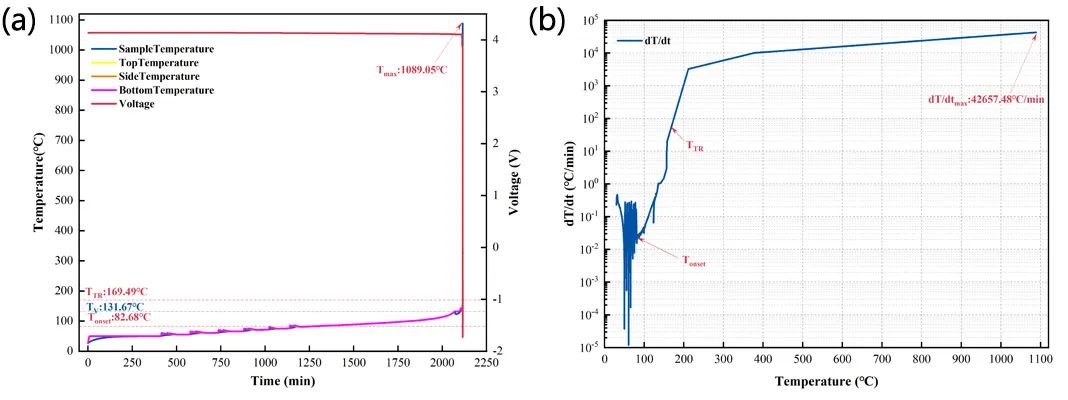
As shown in Figure 3(a), the battery’s self-heating rate reached the Tonset detection threshold of 0.02℃/min at 82.68℃. The venting temperature Tv was achieved at 131.67℃, triggering the opening of the pressure relief valve. Subsequently, the thermal runaway initiation temperature TTR (60℃/min) was reached at 169.49℃, leading to battery thermal runaway. Within seconds, the temperature rapidly escalated to approximately 1090℃, with the maximum heating rate (dT/dt)max exceeding 40,000℃/min.
The monitoring footage from inside and outside the explosion-proof chamber (Figure 4) reveals an extremely violent thermal runaway process. The battery ejected intense jet flames and dense smoke within an extremely short duration, while the instantaneous high-temperature and high-pressure gas flow exerted considerable impact on the laboratory walls.
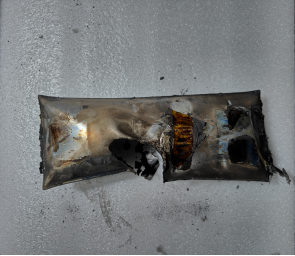
Post-test examination of the battery remnants revealed complete structural failure at the pressure relief valve location, with only the external aluminum casing remaining largely intact while nearly all internal battery materials were ejected through the venting port – the 85.97% mass loss ratio after thermal runaway quantitatively demonstrates the extreme violence characteristic of 9-series cell thermal runaway events.
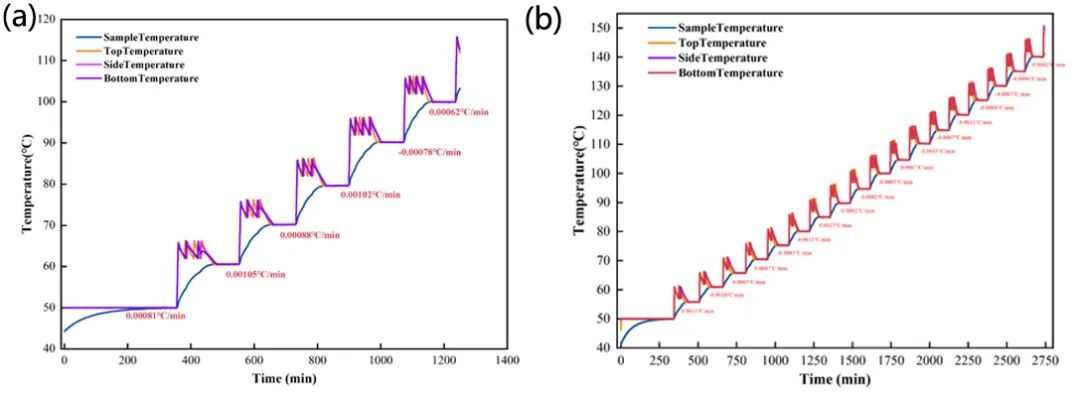
Prior to battery testing, the excellent adiabatic performance of the instrument was verified through HWS mode testing with a standard aluminum block. As shown in Figure 6(a), the heating rate of the aluminum block remained within ±0.002℃/min at each temperature step. Following the battery test, another HWS test was conducted with the standard aluminum block to confirm the instrument’s operational integrity after withstanding the violent explosion of the 9-series lithium battery. Figure 6(b) demonstrates that the instrument functioned properly during the test, maintaining heating rates below ±0.002℃/min at each step, indicating preserved adiabatic performance and confirming the instrument remained fully functional without significant sensor drift.
Experimental Conclusions
The large-capacity 9-series ultra-high nickel NCM lithium batteries exhibit extremely violent adiabatic thermal runaway behavior. Laboratories must provide adequate pressure-relief and explosion-venting space (recommended ≥50 m²) with reinforced walls.
The BAC-420AE Large Battery Adiabatic Calorimeter demonstrates outstanding pressure resistance and explosion-proof capabilities, enabling it to withstand thermal runaway explosions from large-capacity, ultra-high specific energy battery cells.


