













Investigation into Factors Influencing Automatic Closed-Cup Flash Point TestingUnderstanding Closed Cup Flash Point Tester — Factors
The flash point is defined as the lowest temperature at which the vapour of a combustible liquid can be ignited by an ignition source under specified test conditions. It serves as a critical safety standard and quality indicator in the chemical industry, particularly for petroleum products, directly impacting the safe handling, storage, and transportation of flammable liquids.
Flash point testing methods are primarily categorised into closed-cup and open-cup tests. In open-cup tests, because the vapour can dissipate more readily, the measured flash point is typically higher than that obtained from closed-cup tests. To incorporate a greater safety margin during hazard assessment, data from closed-cup tests are generally adopted.
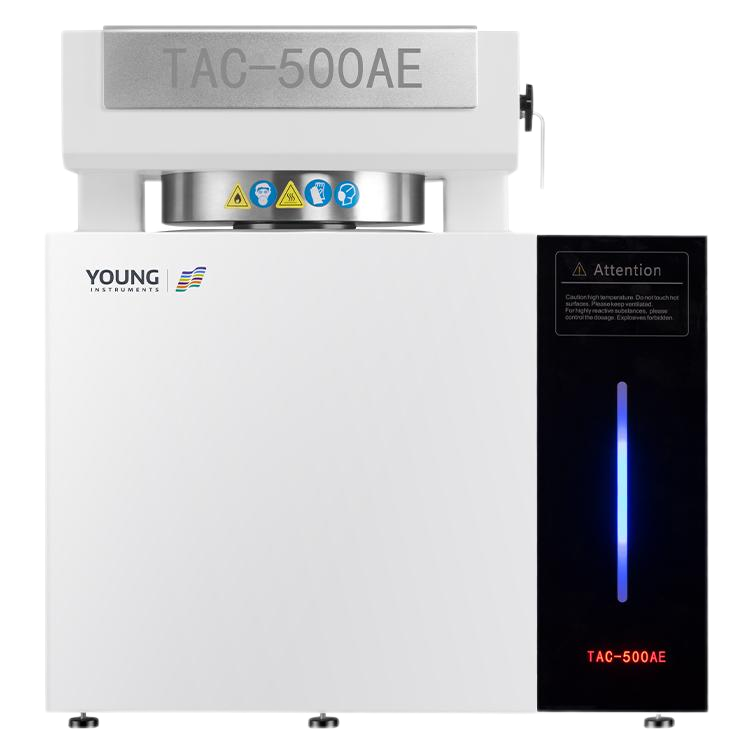
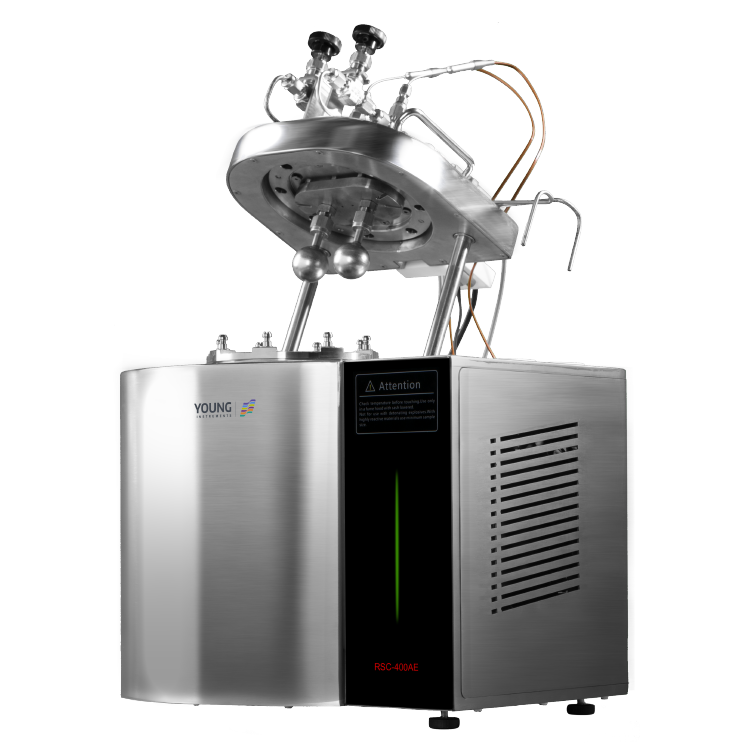
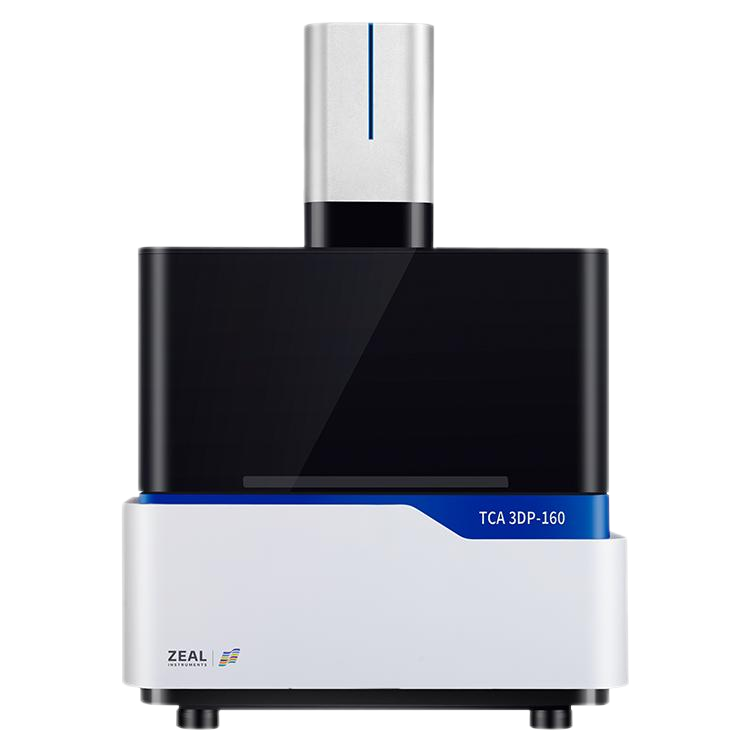
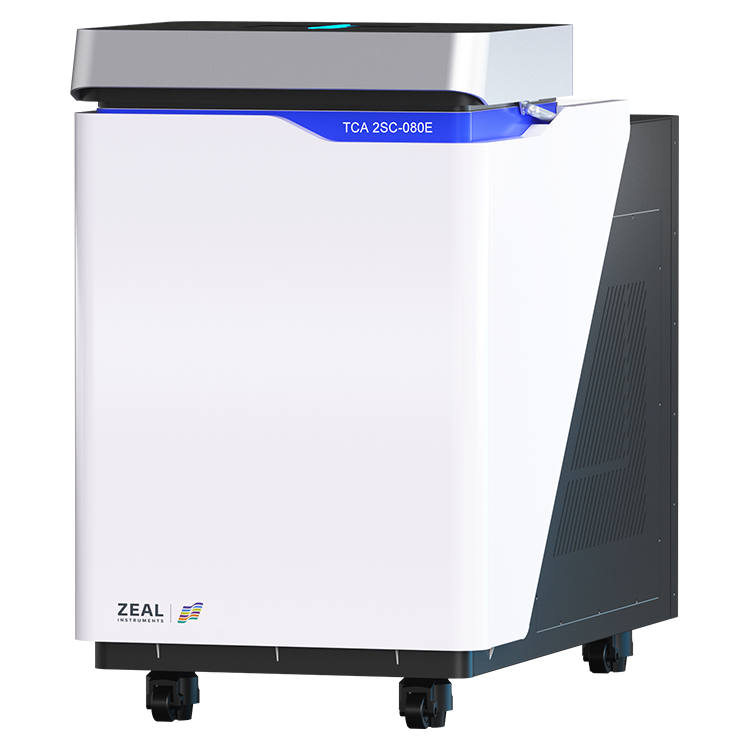
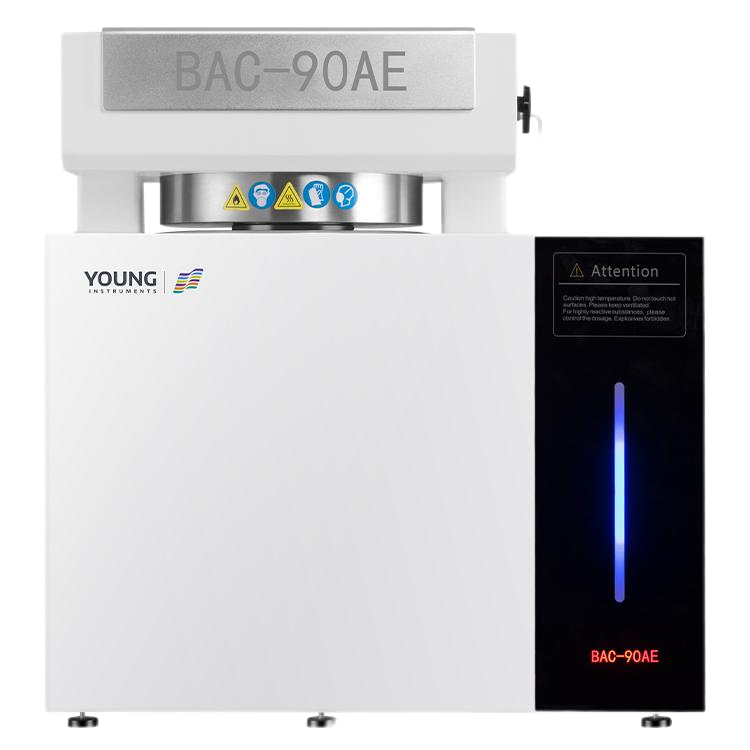
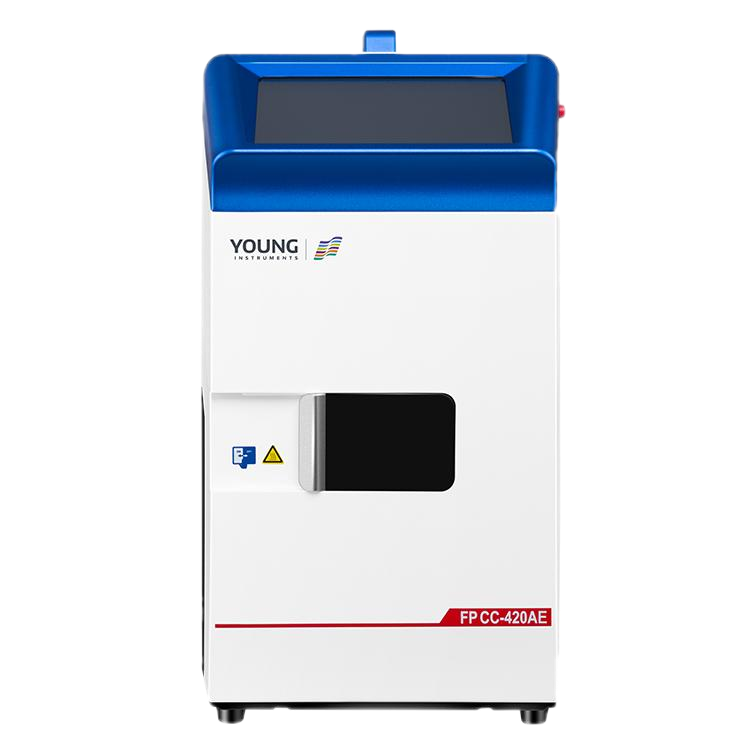
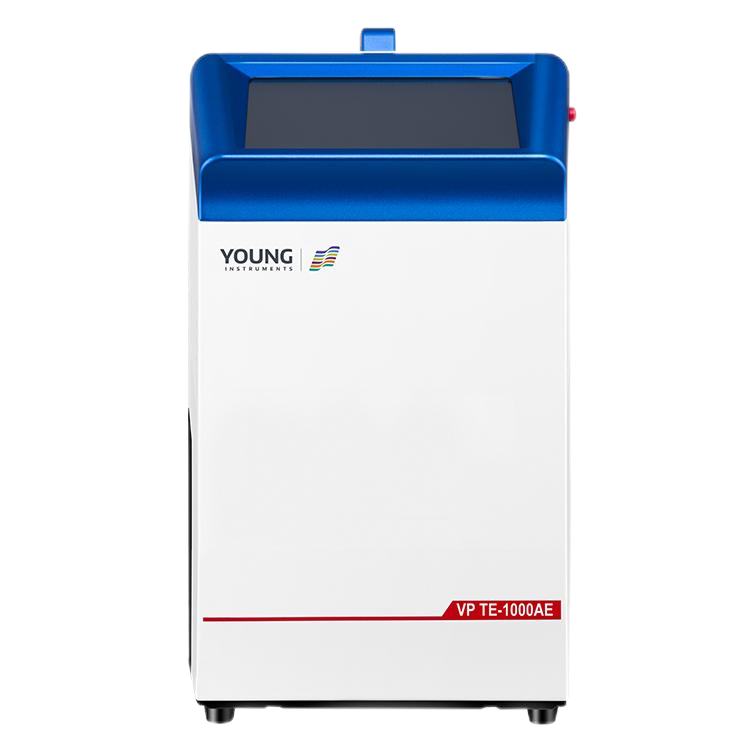
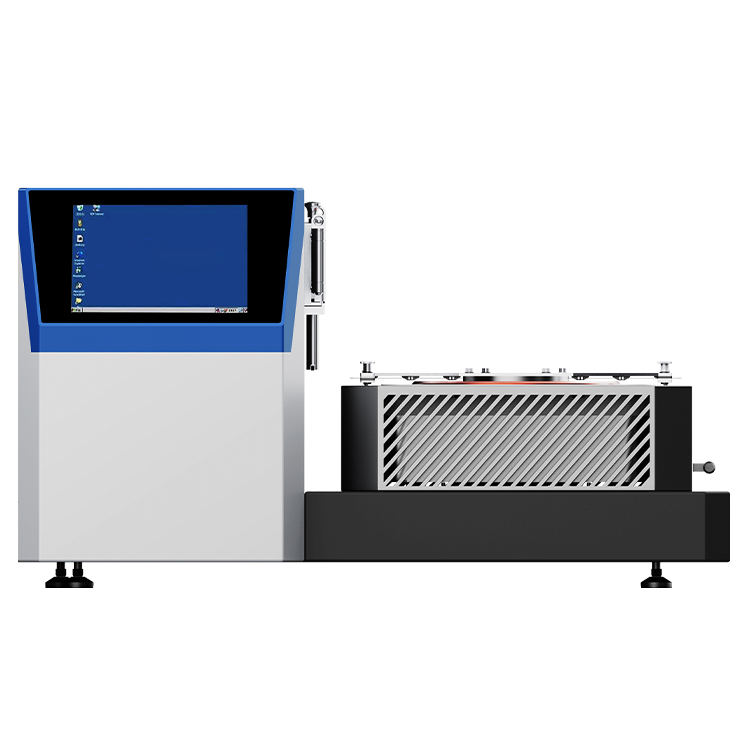
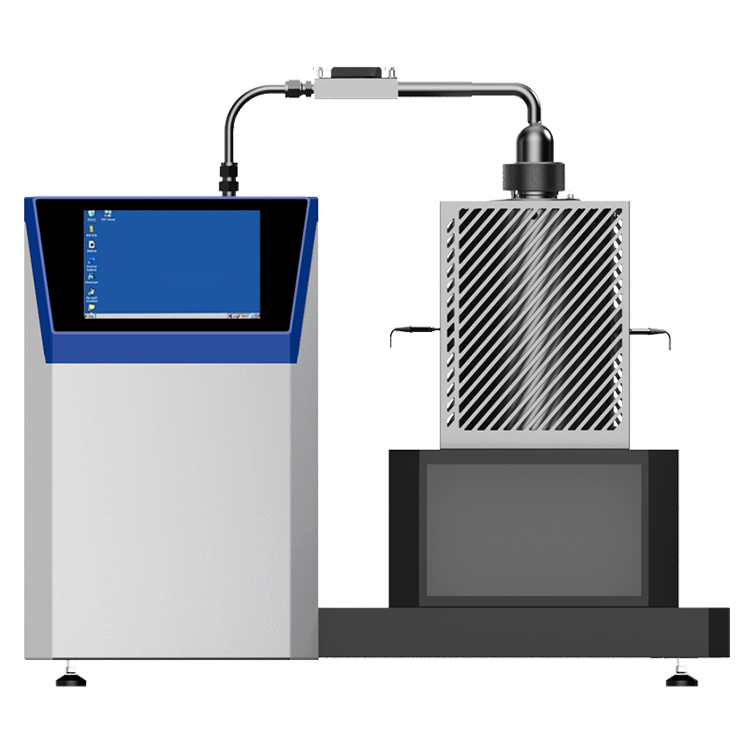
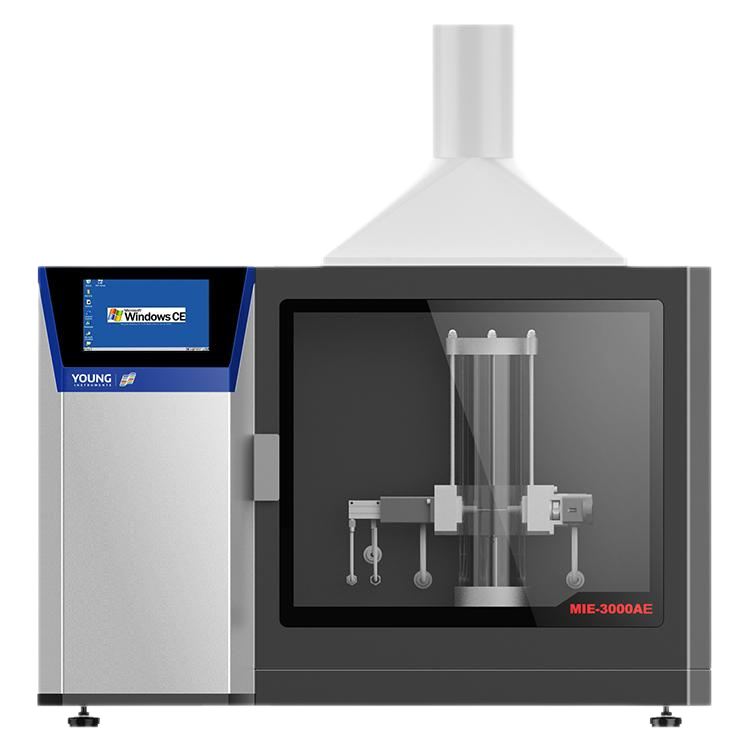
Common closed-cup flash point test methods include the Pensky-Martens closed-cup method (GB/T 261, ASTM D93), the continuously closed-cup method (ASTM D6450, SH/T 0768, SN/T 3077.1), and the modified continuously closed-cup method (ASTM D7094, SN/T 3077.2). The results of these tests can be influenced by numerous factors. Analysts may encounter suboptimal results or find that repeated tests fail to meet reproducibility criteria. This paper summarises and discusses these influencing factors to serve as a reference for industry practitioners.
Factors Influencing Flash Point Testing
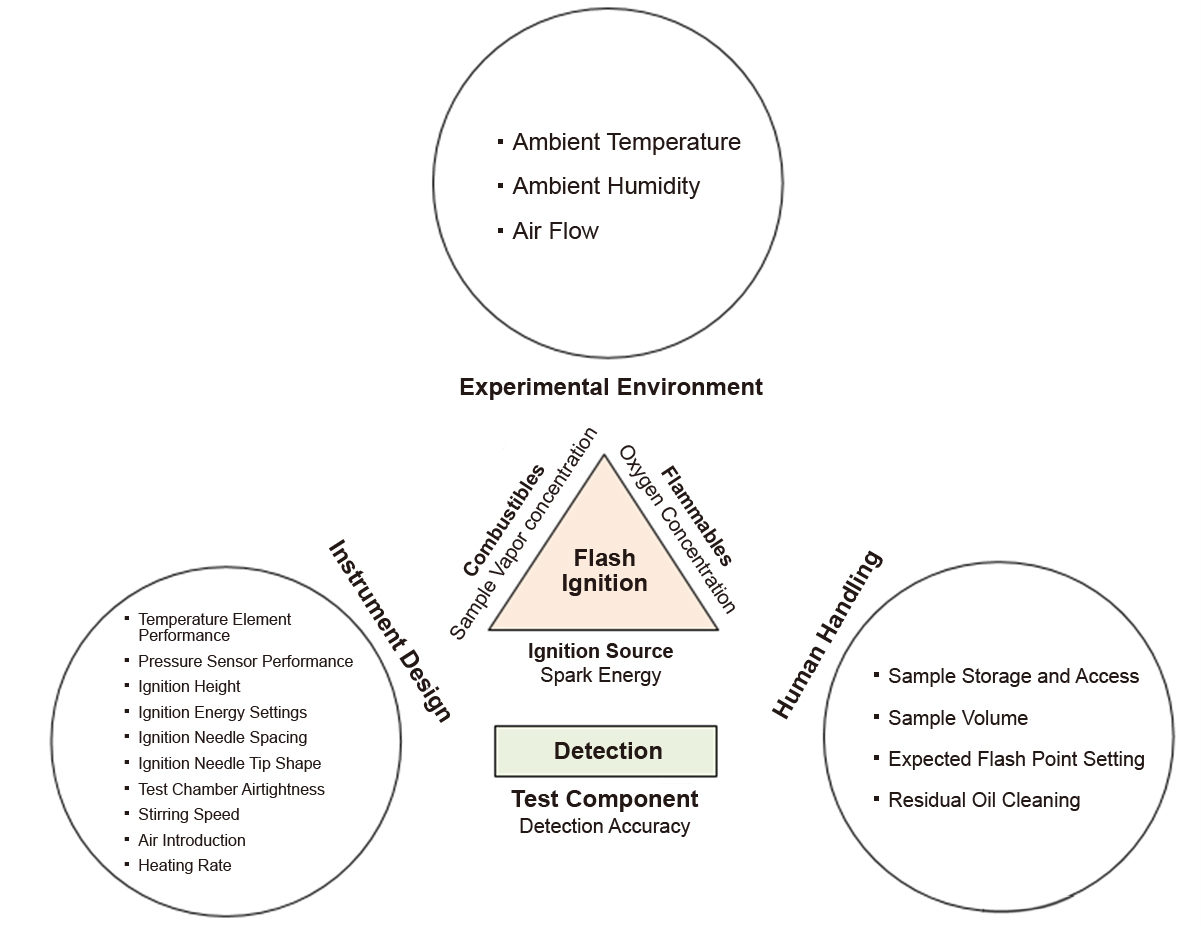
When a combustible liquid is at its flash point, the vapour concentration near its surface equals the lower flammability limit (LFL). In closed-cup flash point testing, the process of vapour concentration accumulating to the LFL is complex, nonlinear, and involves the coupling of multiple factors. It results from the combined effects—continuous or intermittent—of liquid evaporation, gas diffusion, natural convection, forced convection, gas oxidation, and combustion. Furthermore, the flash point test result depends on both the effectiveness of vapour ignition and the sensitivity in detecting the pressure rise from combustion. Taking the ASTM D6450 and ASTM D7094 test methods as examples, Figure 2 summarises various factors that can influence the flash point, which can be broadly categorised into three aspects: instrument design, experimental environment, and operator technique.
Instrument Design
The structural design and parameter settings of a flash point tester can alter the measured flash point value by affecting the “fire triangle” elements. Simultaneously, the performance of its sensors directly impacts testing accuracy. For instance, with a fixed ignition energy, the distance between the ignition pins and the shape of their tips can influence the actual delivered energy, consequently changing the LFL and the flash point. Furthermore, factors such as the air intake volume and the seal integrity of the test chamber directly affect the dynamic changes in fuel and oxidant concentration during the test, leading to variations in the flash ignition temperature for the same sample.
To mitigate these influencing factors, flash point tester manufacturers must strictly adhere to relevant standards for structural design, control machining and assembly precision, and perform proper calibration before shipment.
Experimental Environment
Laboratory environmental influences primarily fall into three categories: ambient temperature, humidity, and airflow. For some flash point testers lacking adequate temperature compensation, high/low temperatures or drastic ambient temperature fluctuations can cause thermal drift in electronic components, affecting results. Ambient humidity influences the electrical breakdown characteristics of air, thereby altering the ignition energy and the flash point. Additionally, if the instrument’s sealing is inadequate, surrounding air currents can carry away some vapor, reducing the vapour concentration above the sample cup and resulting in a higher measured flash point.
Considering these factors, flash point testing, especially reproducibility verification, should be conducted in a stable and suitable environment. This also necessitates design optimisations by instrument manufacturers to minimise interference from environmental factors.
Operator Technique
Inappropriate operating procedures can significantly compromise the accuracy and repeatability of flash point tests. For example, storing samples at elevated temperatures or during the sampling process may lead to the loss of volatile components, resulting in an elevated measured flash point. Furthermore, an inaccurate sample volume affects the headspace volume above the sample cup. A smaller headspace reaches the LFL more quickly, leading to a lower measured value, and vice versa. For the same sample, setting different expected flash point values alters the number of ignition and air introduction cycles during the test. This variation affects the gas composition within the test chamber and consequently influences the final result. Finally, the cleaning procedure after each test is critical; during consecutive tests, any contamination from previous sample residues must be thoroughly eliminated.
Mitigating these human factors relies on strict operator adherence to standardised procedures, coupled with relevant technical knowledge and practical experience.
Conclusion
In summary, flash point testing is influenced by a combination of multiple factors. On one hand, it requires both instrument manufacturers and users to strictly adhere to established procedures, ensuring precision and accuracy at every stage. On the other hand, a more in-depth investigation into certain critical factors is necessary to continuously improve flash point testing methodologies. Finally, given the complexity of flash point testing, users should rationally evaluate test data. The validity of results should be judged based on standard specifications, without artificially imposing stricter requirements, such as for enhanced data consistency.


