














Testing for Explosion Limits of Gases from Lithium-Ion Battery Thermal Runaway
With the large-scale adoption of lithium-ion batteries in critical sectors such as new energy vehicles, energy storage, consumer electronics, and aerospace, safety concerns associated with these batteries have garnered significant societal attention.
Thermal runaway is a major cause of lithium-ion battery safety incidents. It can lead to fire or even explosion, posing a direct threat to user safety.
If a single battery cell undergoes thermal runaway due to a specific trigger, its materials undergo a series of intense chemical reactions. This generates substantial heat along with flammable and toxic gases. The resulting rapid increase in internal temperature and pressure causes the cell to rupture, releasing the flammable gases. These gases can then ignite upon contact with external air at high temperatures, leading to intense combustion, jet fires, or fireballs. This can subsequently induce thermal runaway in surrounding cells, culminating in a safety accident.
Factors such as the battery’s state of charge (SOC), service time, and material system can alter the composition of the gases produced, thereby influencing their flammability and explosion characteristics, as well as the overall hazard level of the battery thermal runaway event.
Assessing the flammability and explosion properties of battery-evolved gases is crucial for evaluating the safety of power batteries. The explosion limits represent a key parameter for studying the hazards of these flammable gases.
Explosion Limit Analysis and Testing
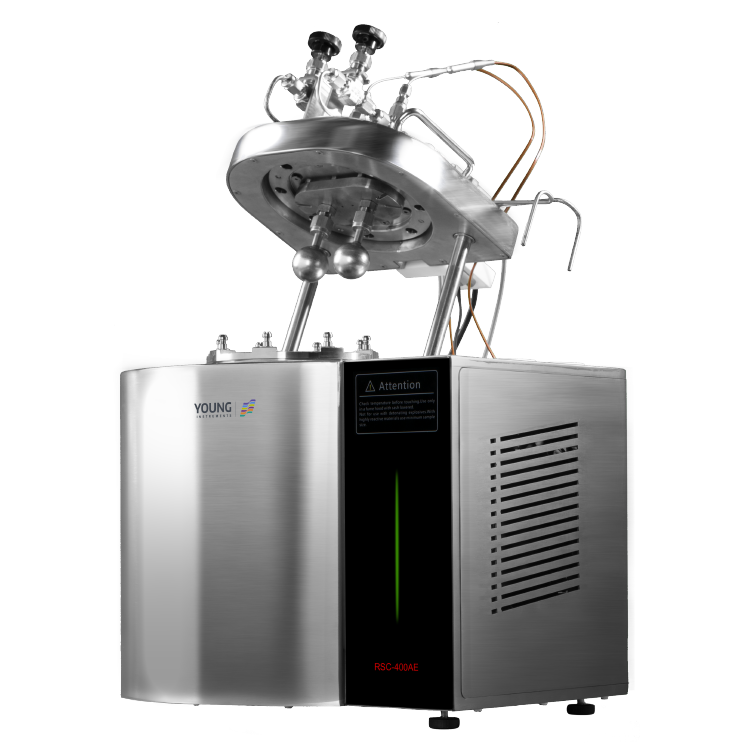
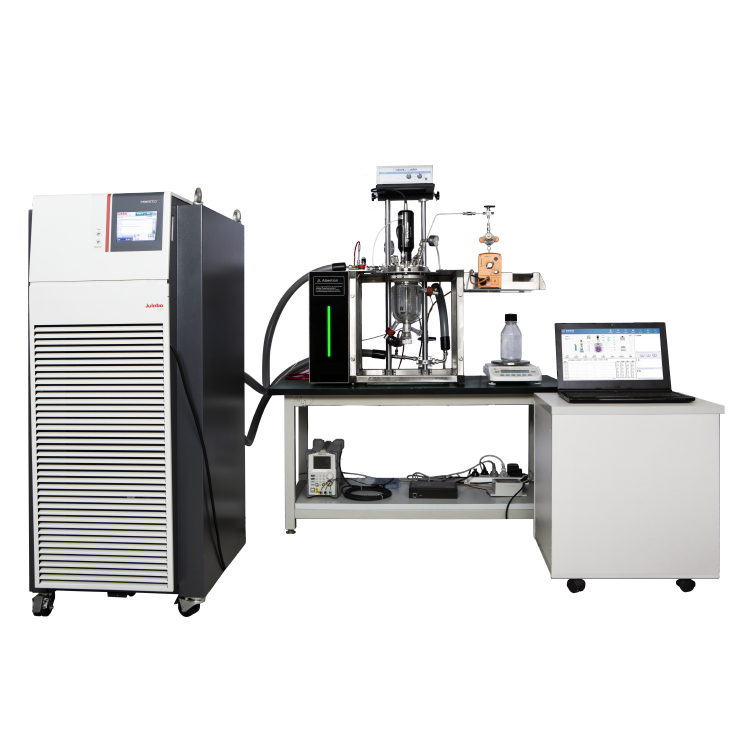
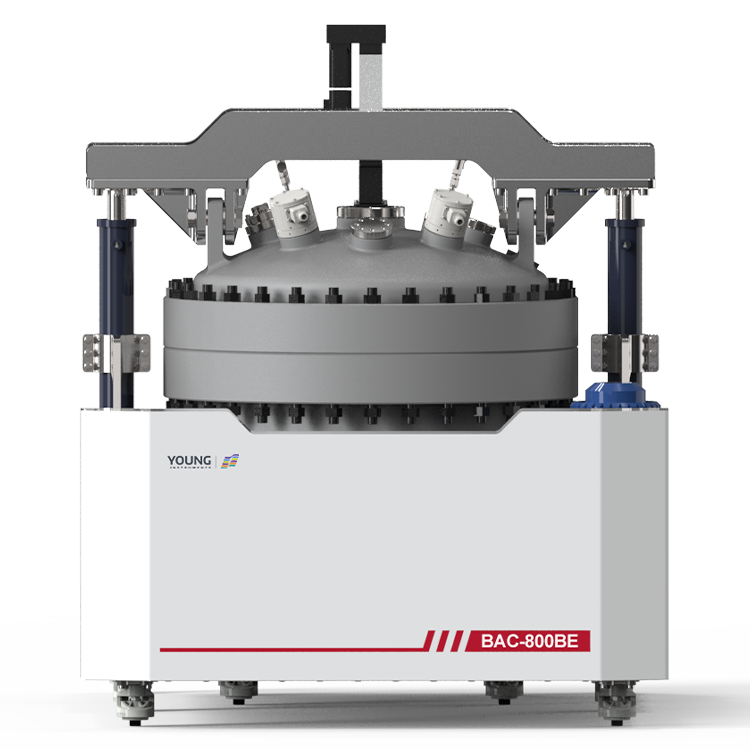
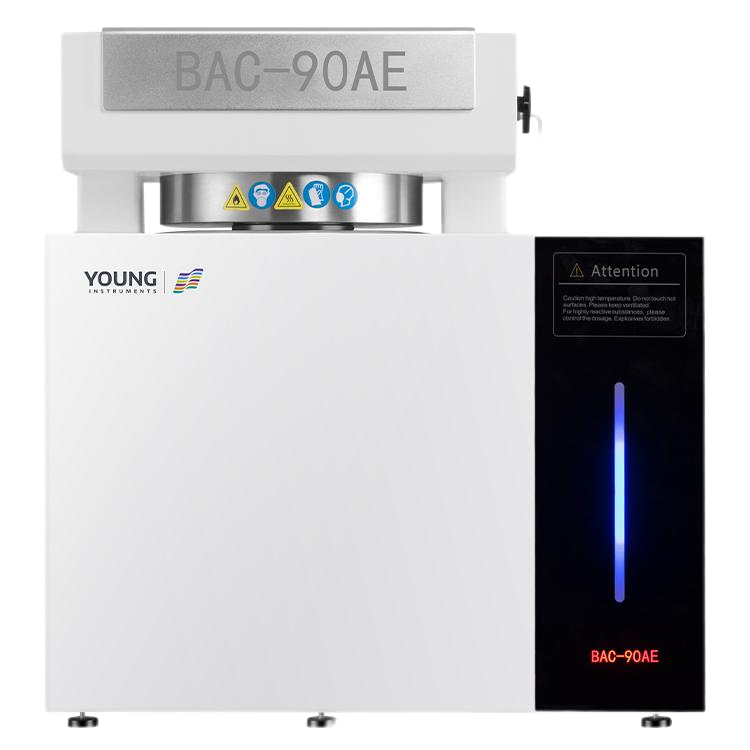
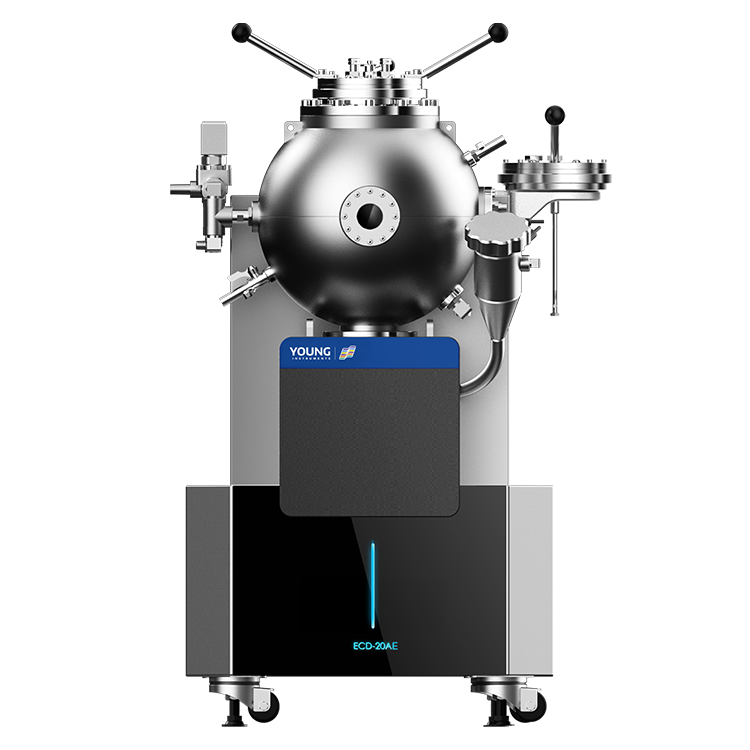
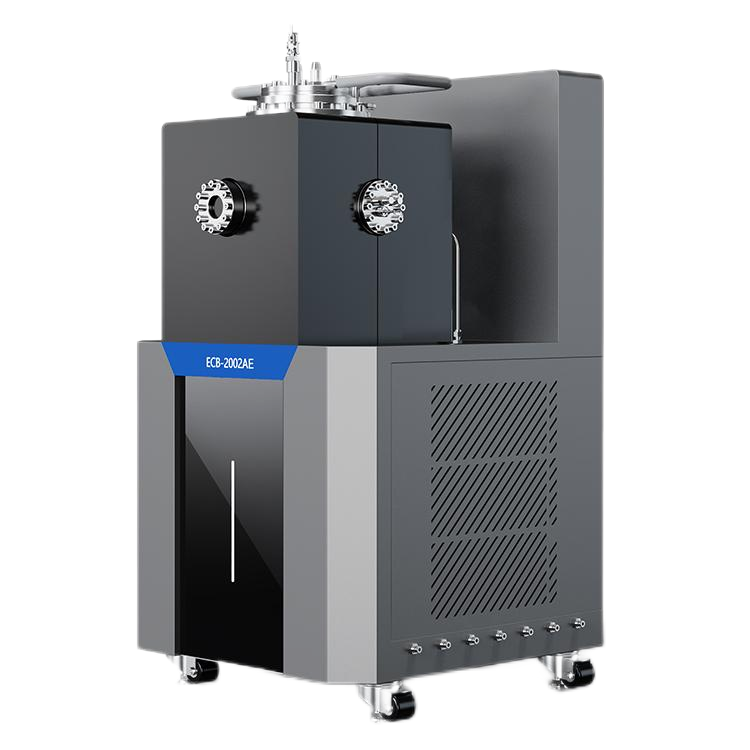
In this case study, a 50 Ah NMC lithium-ion battery at 100% state of charge (SOC) from a domestic manufacturer was subjected to a thermal runaway experiment within a Large Battery Adiabatic Calorimeter (BAC-420AE model) under an inert gas atmosphere. The gases produced by the battery were subsequently collected, and their composition was analyzed using gas chromatography, as shown in the figure below.
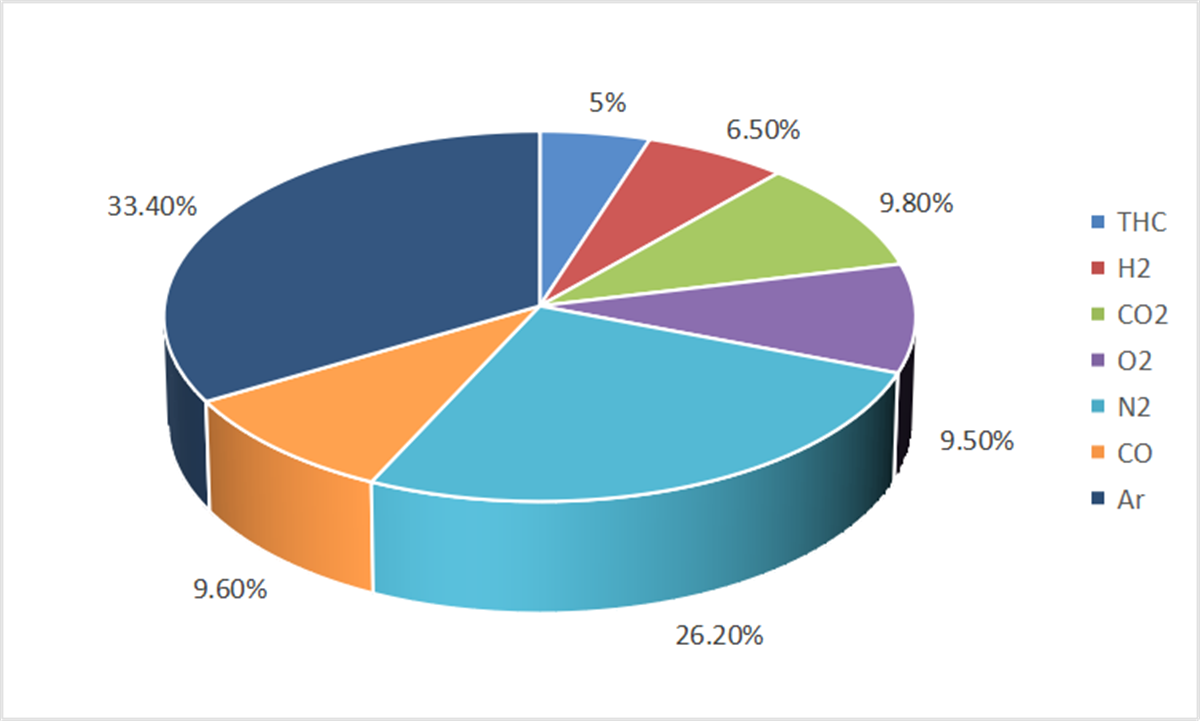
The various flammable and inert gases within this mixture can be paired according to a specific method, and the explosion limits of the gas mixture are estimated using Le Chatelier’s formula:
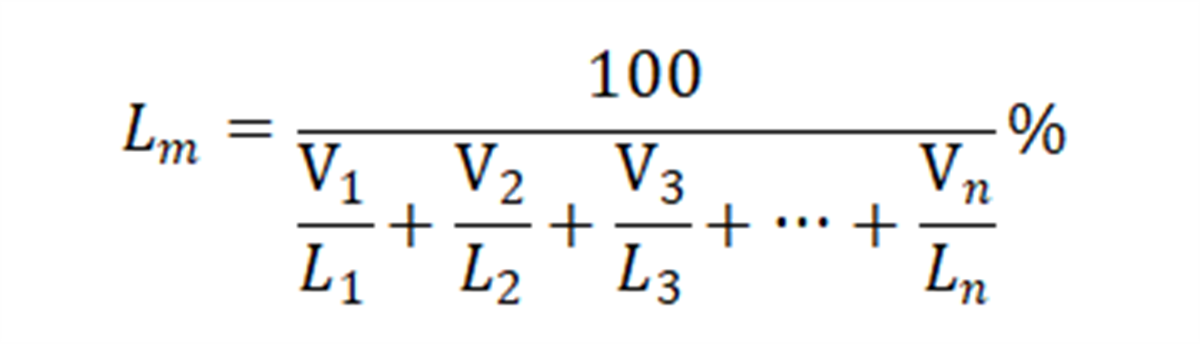
Where:
- Lm is the explosion limit of the gas mixture.
- L1, L2, …, Ln are the explosion limits of the individual components.
- V1, V2, …, Vn are the volume fractions (content) of the individual components.
Based on this calculation, the Lower Flammable Limit (LFL) of the gases produced by this battery was determined to be 33.02%.
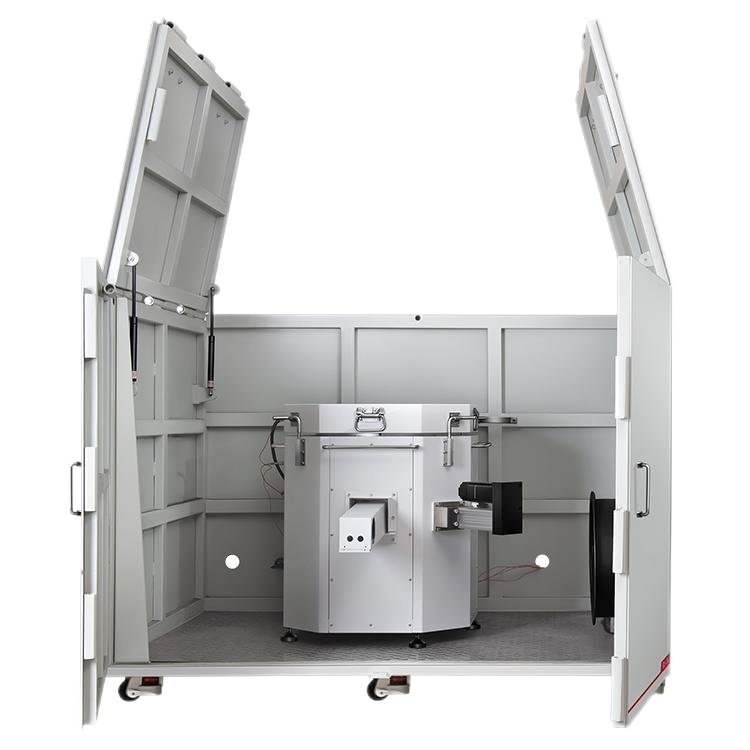
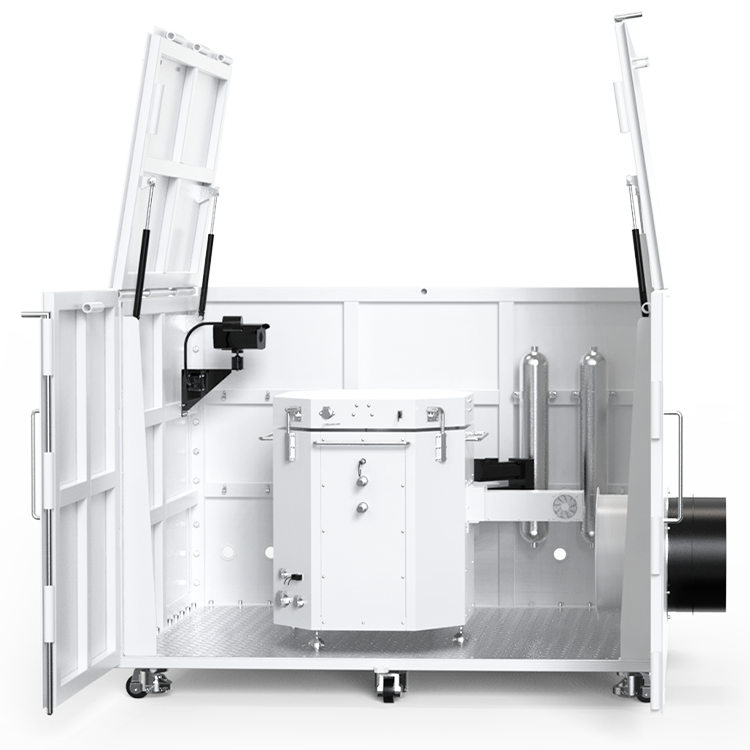
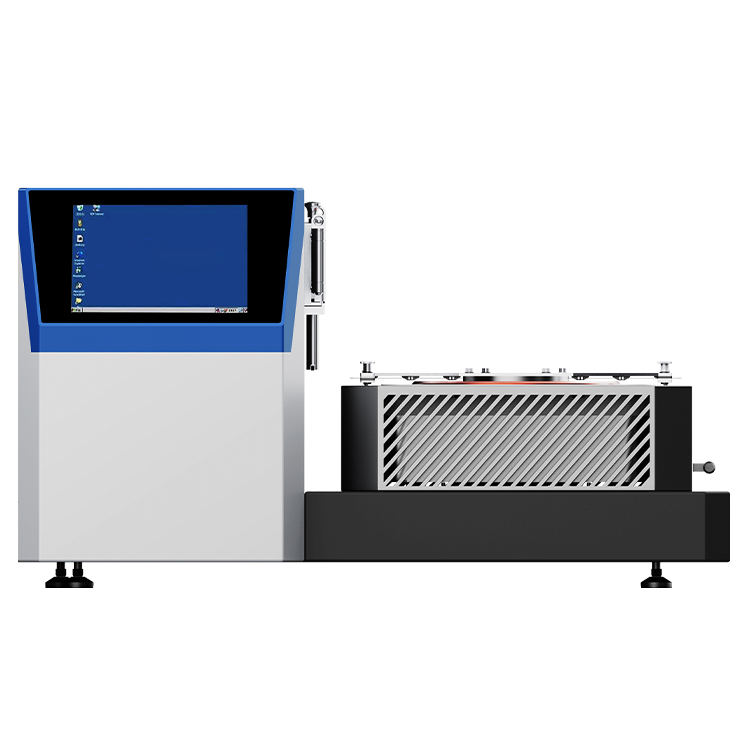
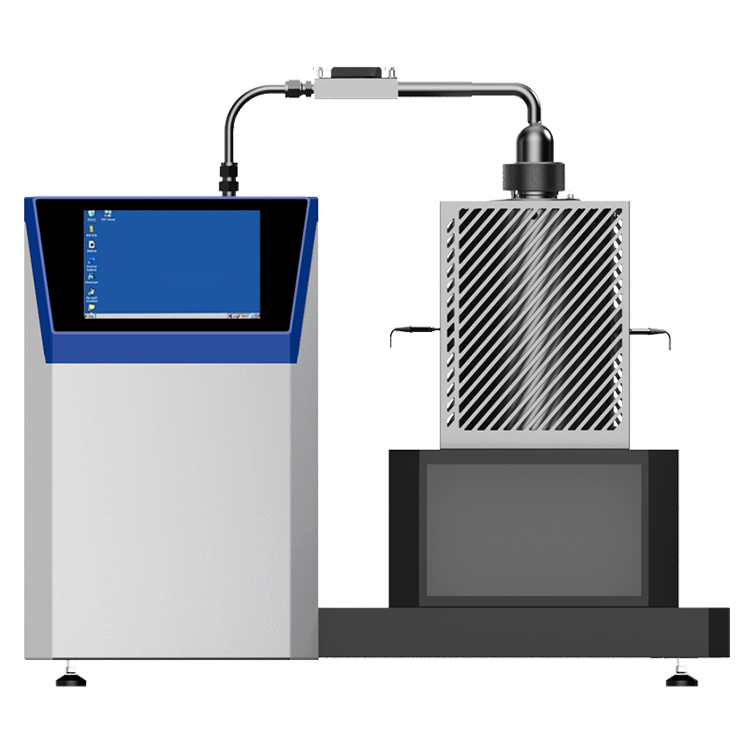
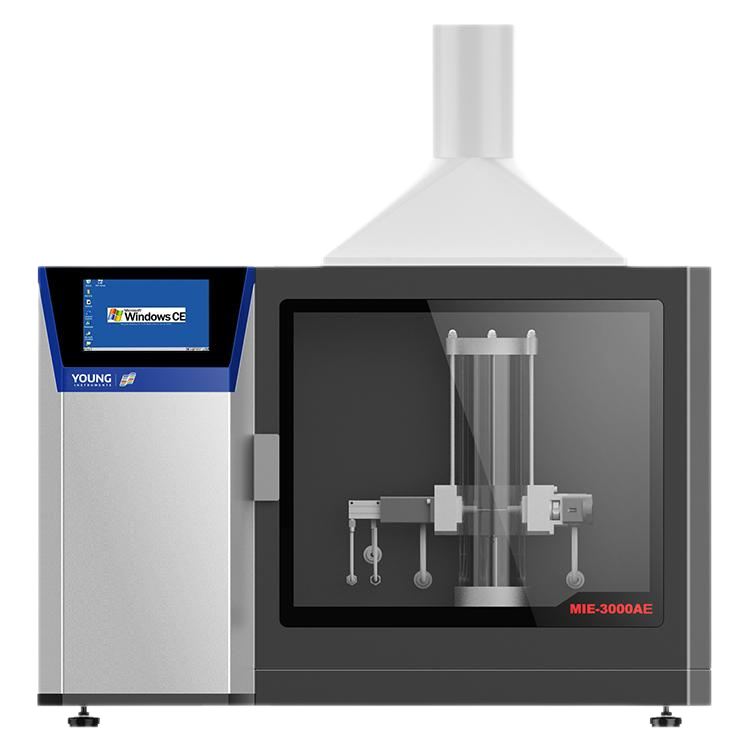
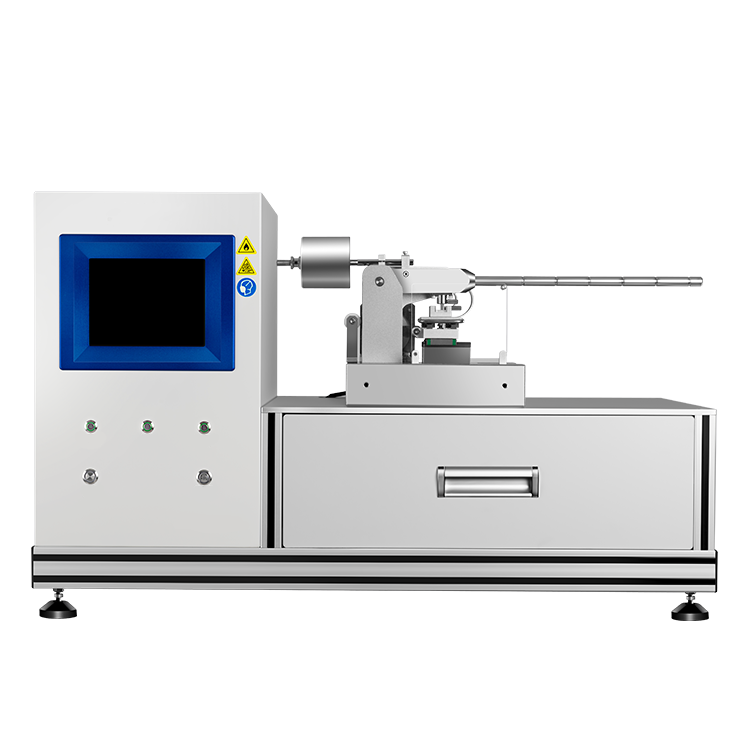
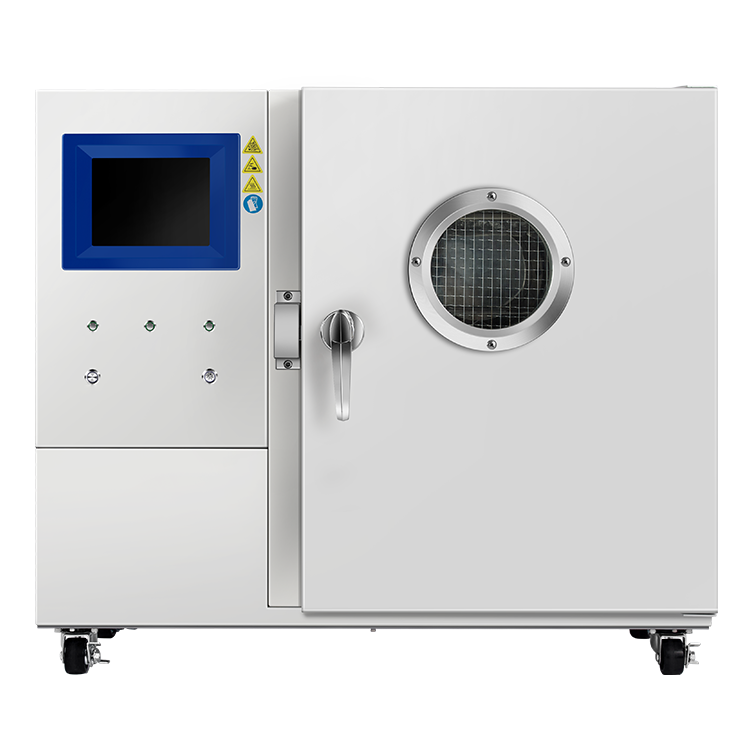
Subsequently, we conducted an experiment to validate the aforementioned calculation. In this case, the explosion limits tester (HWP21-30SE) is used to test the explosion limit of the gas mixture. Through this instrument, the gas can be automatically dispensed, and according to the flash fire phenomenon after ignition, it can be judged whether the sample gas has reached the explosion limit under the set concentration.
 | 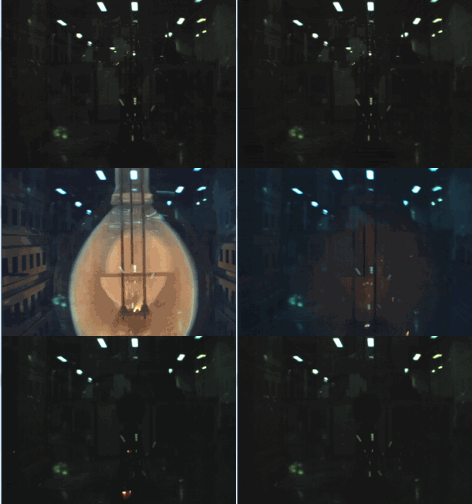 Experimental video: (c) 40% concentration | 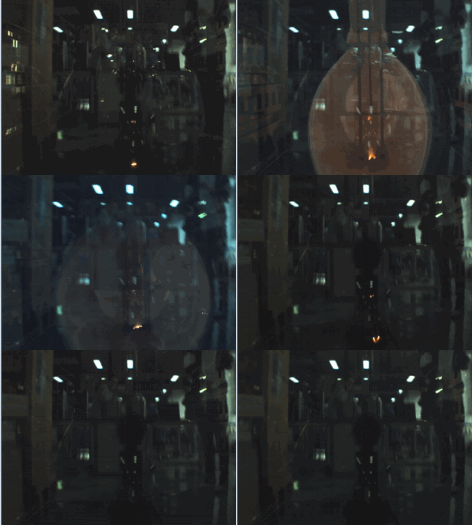 | 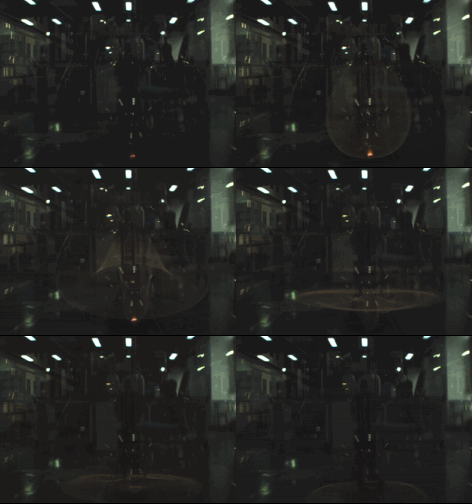 Experimental video: (e) 32.5% concentration |
Owing to the limited quantity of gas available, a total of five experiments were conducted in this case study. The results are summarized as follows:
| Gas Concentration | 20% | 30% | 40% | 35% | 32.5% |
| Test Result | No Ignition | No Ignition | Ignition with Explosion | Ignition with Explosion | Ignition with Explosion |
Based on the results, the Lower Flammable Limit (LFL) range for the battery-evolved gases was determined to be 32.5% – 35%. A relatively weak explosion was observed at the 32.5% concentration, indicating that this concentration is very close to the actual LFL value. Furthermore, the experimental values show close agreement with the theoretical calculations, mutually validating the reliability of the aforementioned results.
Discussion
This case study provides a relatively comprehensive illustration of the methodology for testing the explosion limits of battery-evolved gases. While the experimental results are favorable, the methodology itself possesses certain limitations. For instance, while lithium battery thermal runaway must be initiated within an inert gas atmosphere, the introduction of a significant volume of inert gas can subsequently increase the LFL of the resulting gas mixture. Furthermore, the pressure conditions for the explosion limit testing remain unspecified. The LFL values can be slightly different under atmospheric pressure versus high-pressure conditions (testing under high pressure requires a high-temperature, high-pressure explosion limits tester).


