







Optimized Protocol for Heating Wire-Assisted Temperature Difference Baseline Experiments
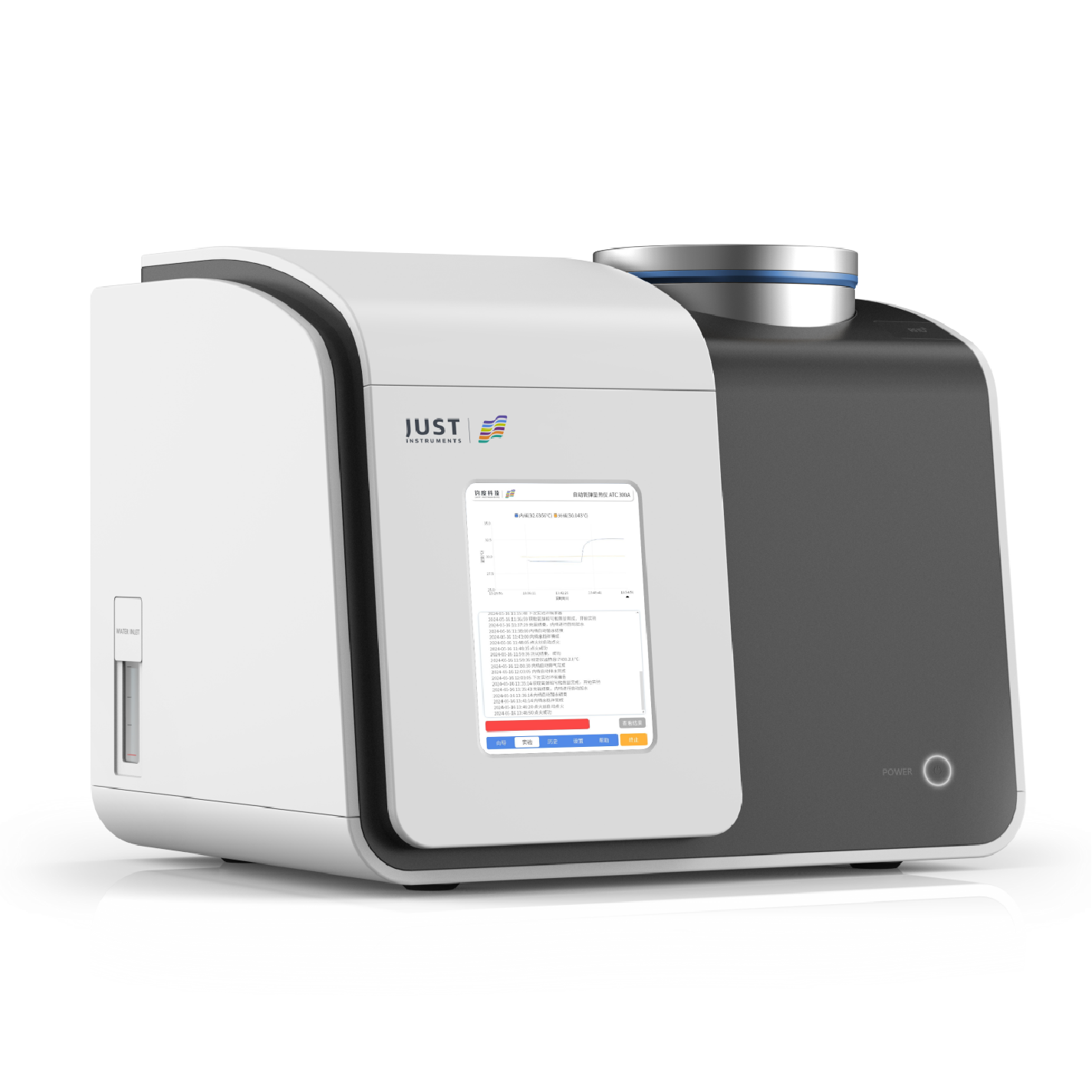
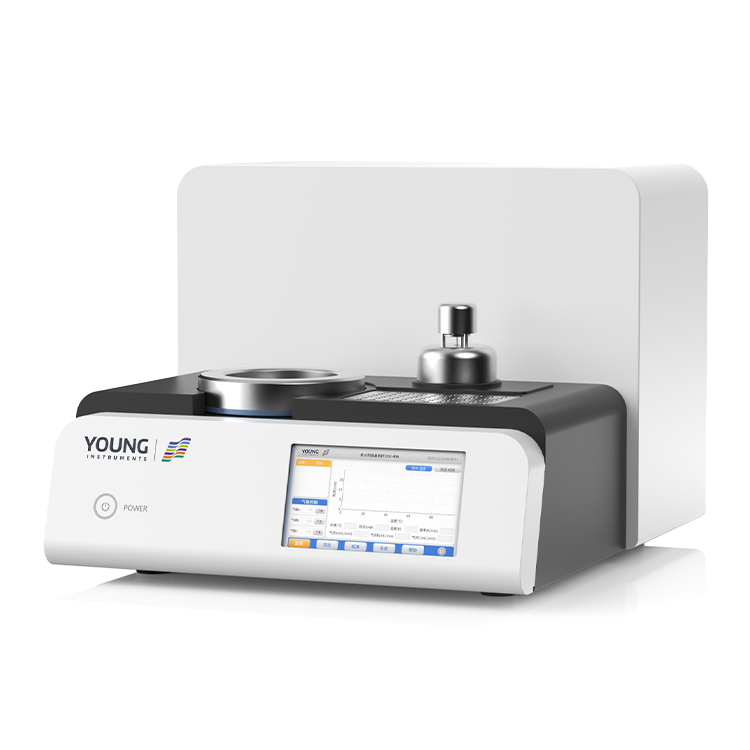
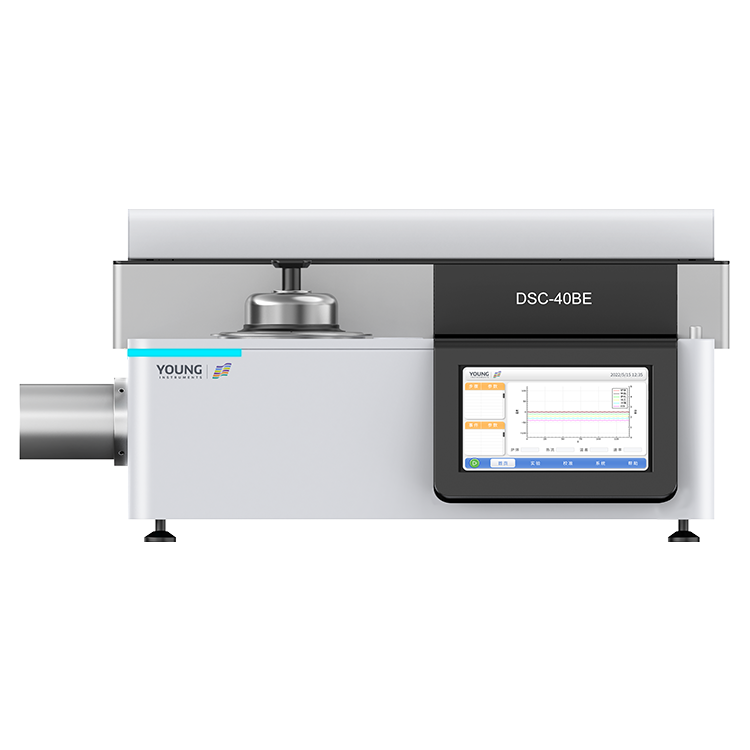
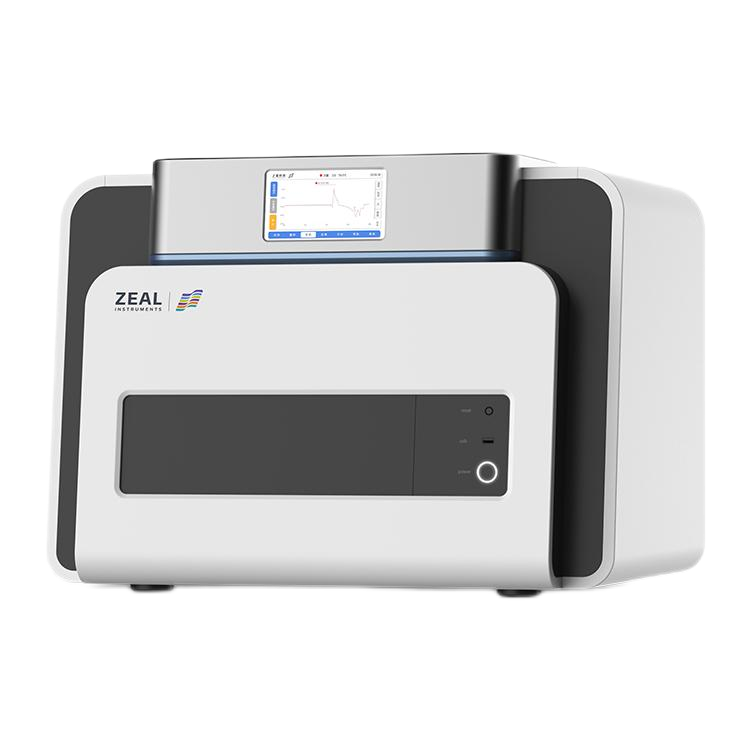
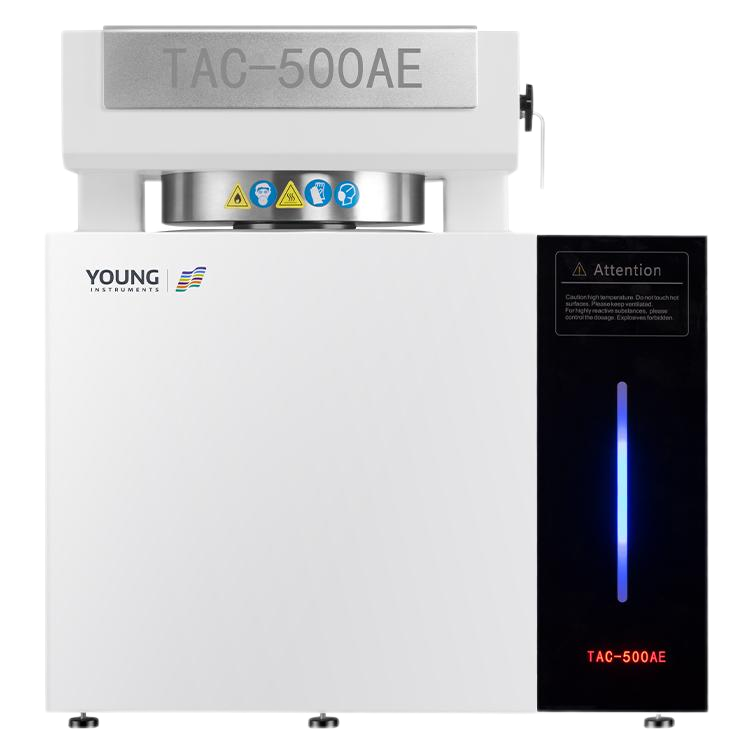
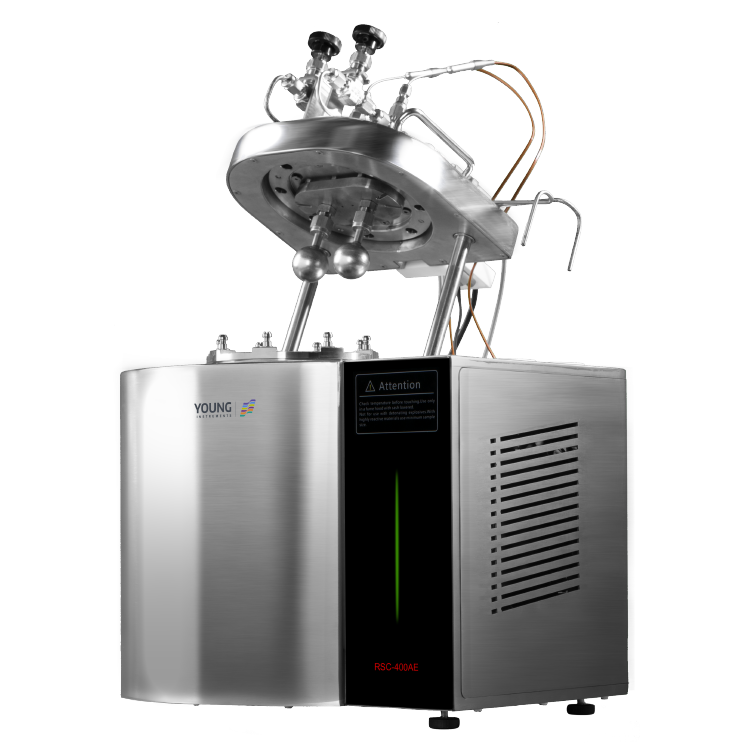
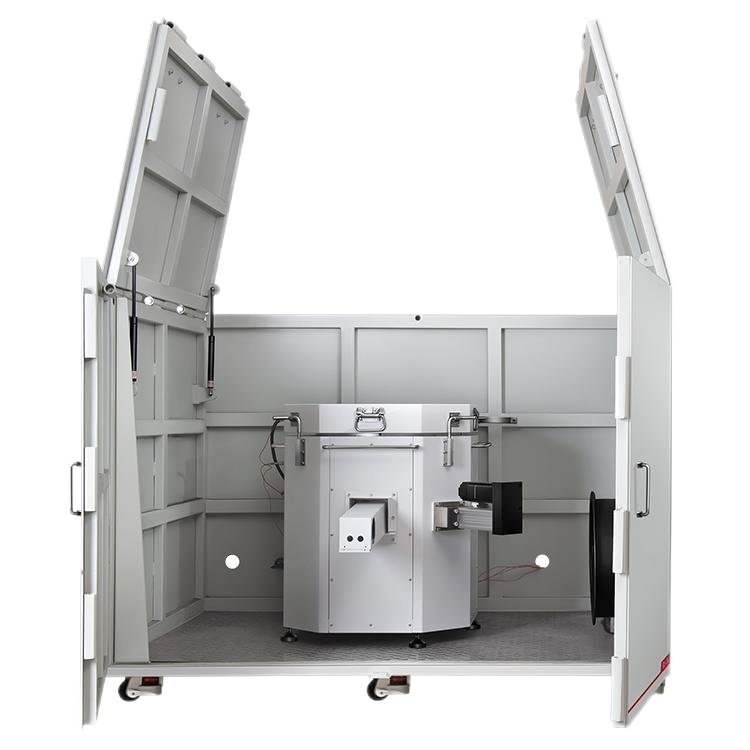
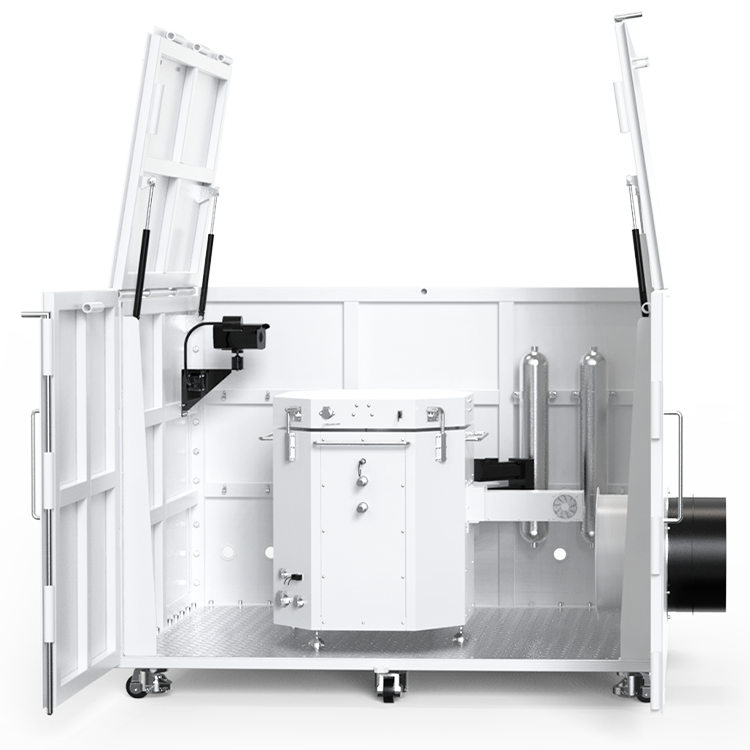
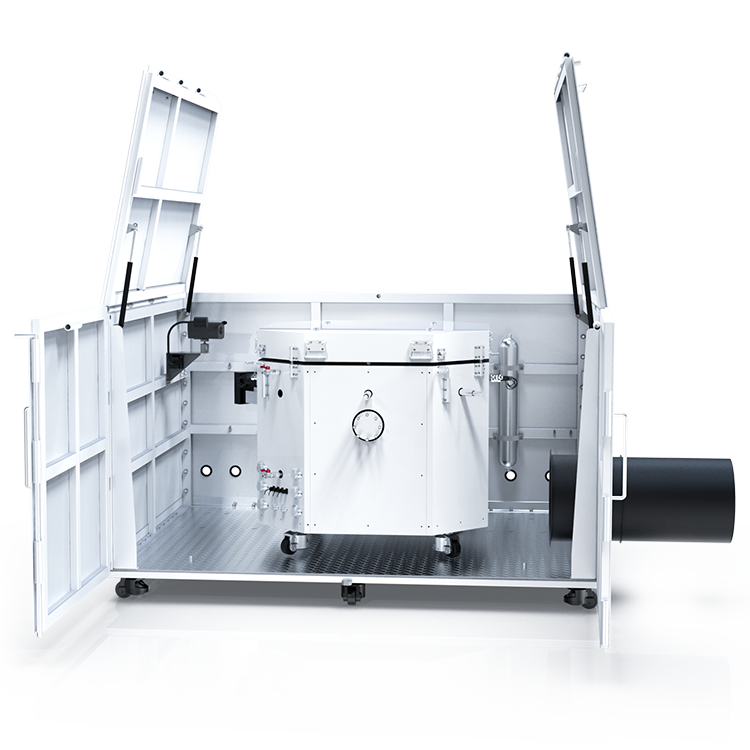
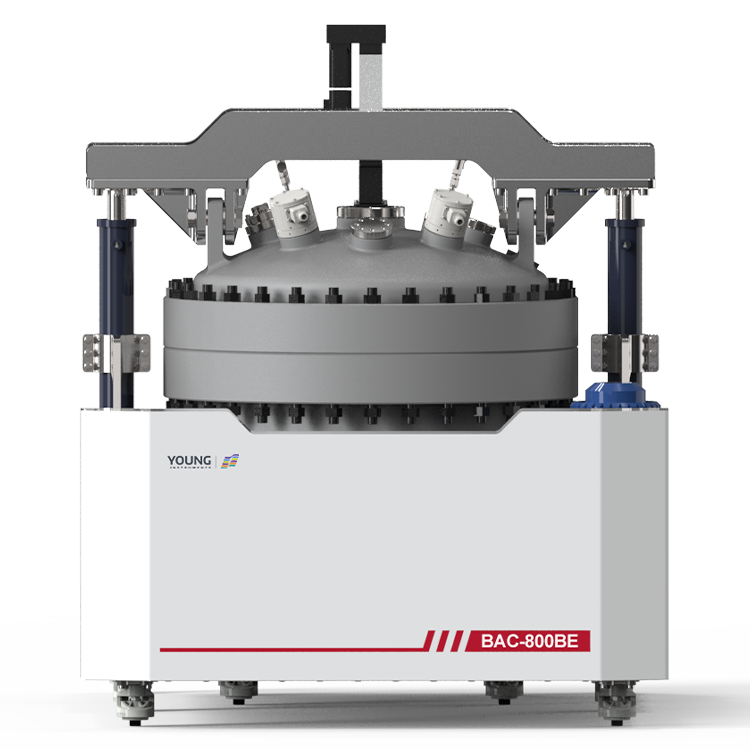
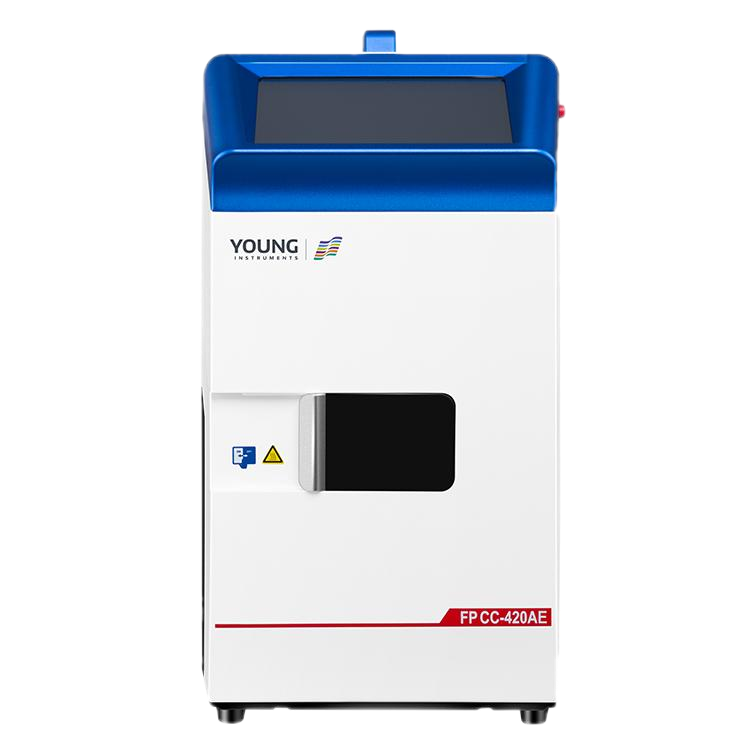
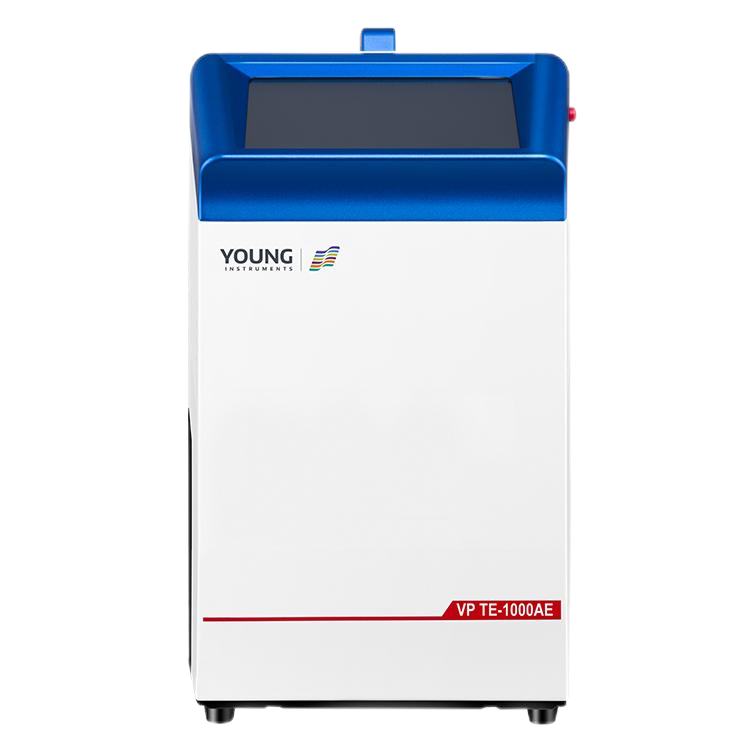
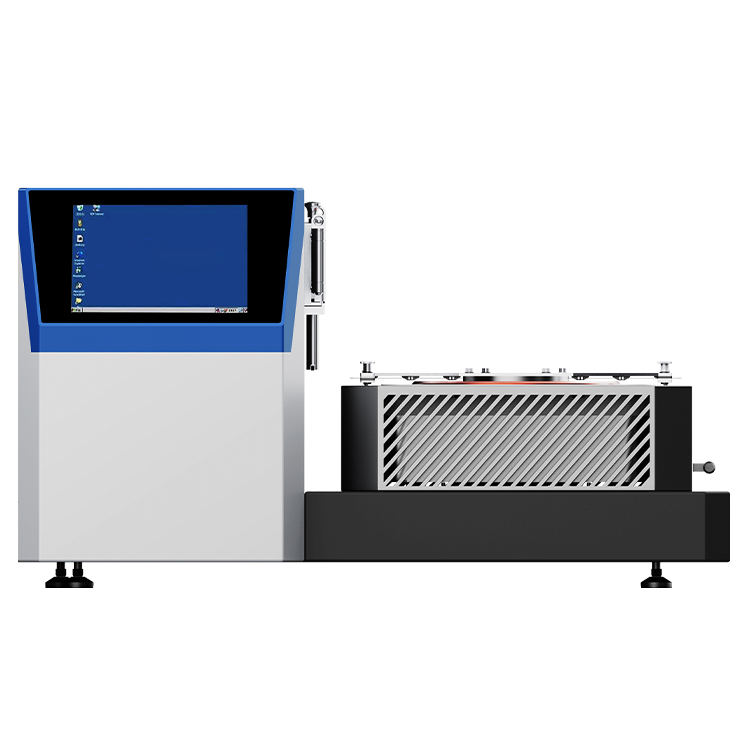
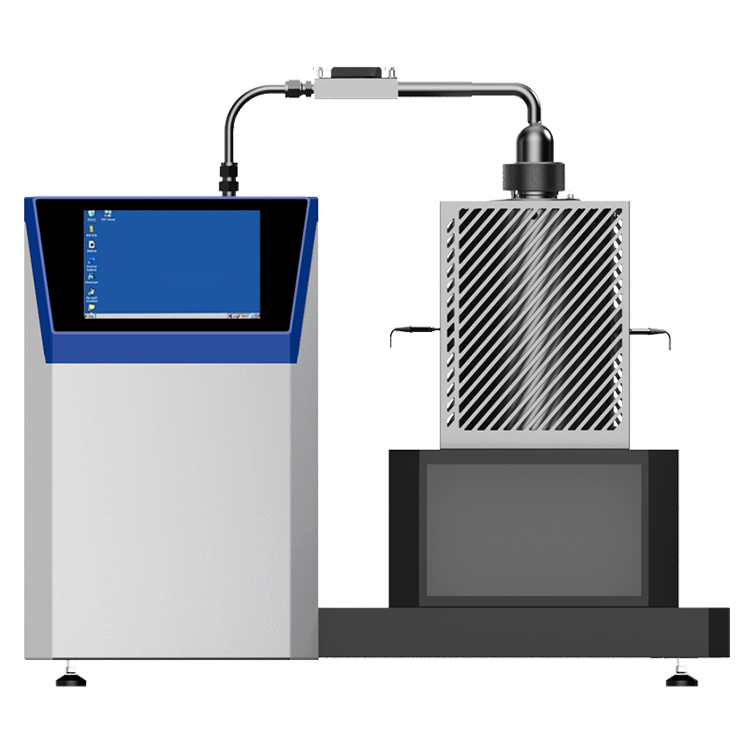
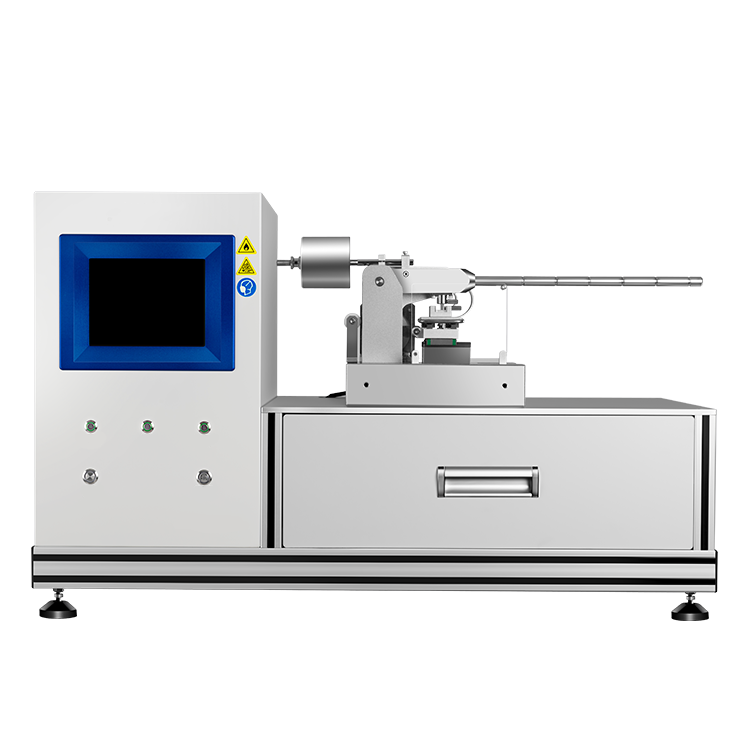
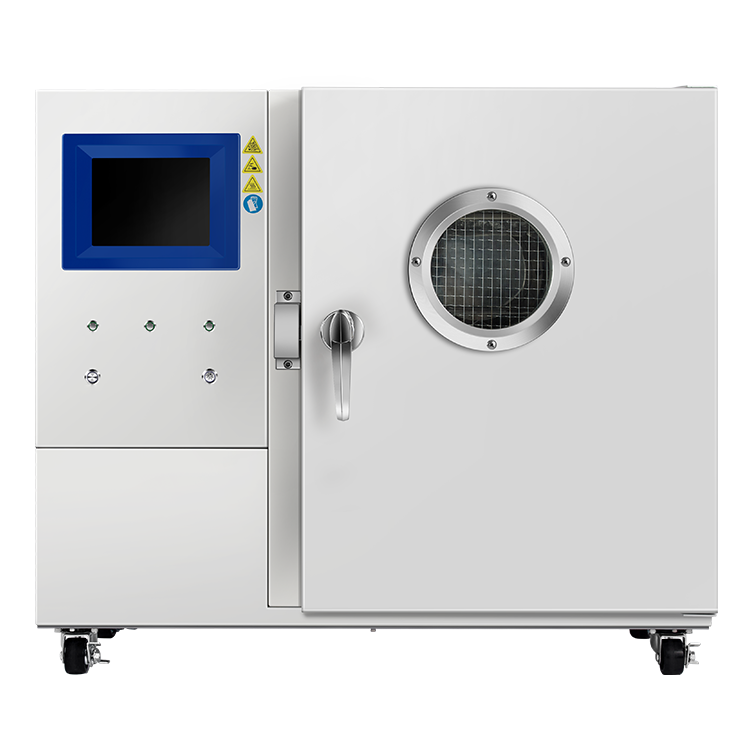
The Battery Adiabatic Calorimeter is the primary instrument for testing the adiabatic thermal runaway characteristics of lithium-ion batteries. To obtain the most accurate and valid test data, a complete testing protocol comprises four steps: sample preparation, temperature difference baseline calibration, calibration verification, and the final battery test. The temperature difference baseline calibration is crucial as it ensures the instrument’s adiabatic performance, thereby enhancing detection sensitivity and measurement accuracy.
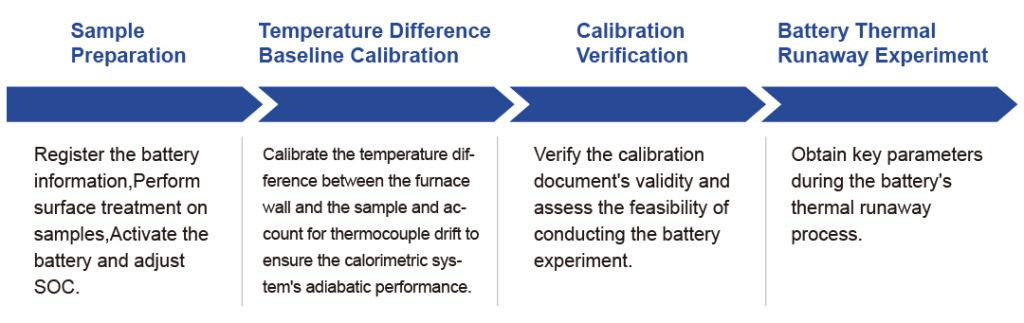
Under normal operating conditions, the temperature baseline calibration typically needs to be performed only once every two months. The necessity for recalibration primarily arises in the following scenarios:
- Temperature measurement thermocouples may gradually experience thermal drift due to prolonged exposure to high-temperature cycles.
- The temperature field within the calorimetric chamber changes significantly when samples with excessively large size variations are used.
- Additionally, recalibration is required if components such as temperature sensors or insulation wool are replaced.
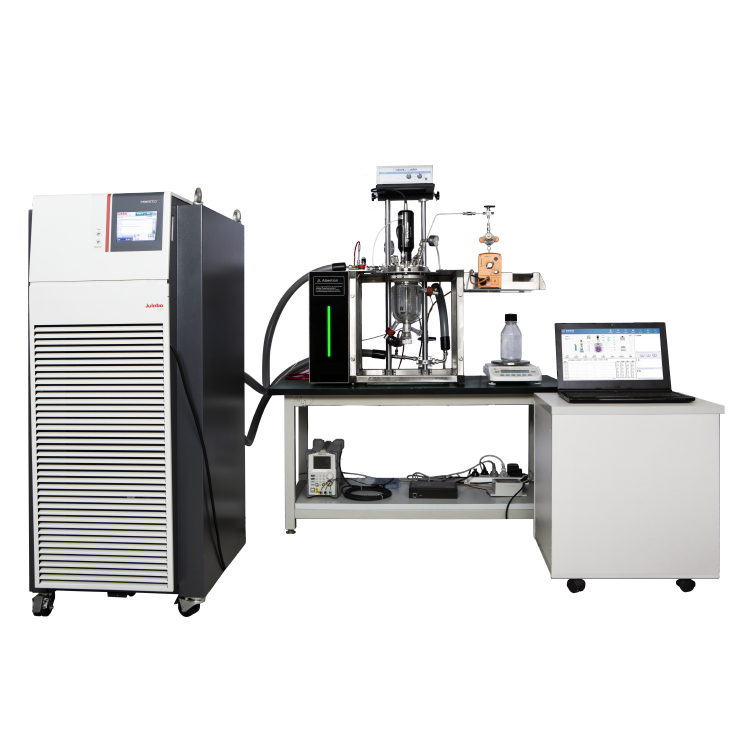
The duration of the calibration experiment depends on the sample mass. For large cells like the 280 Ah LFP cell, the process can be time-consuming, potentially taking 3-5 days or even over a week, which significantly delays experimental progress. To address this challenge, this paper proposes a heating wire-assisted temperature difference baseline protocol. By winding a heating wire around the sample surface and utilizing its heating capability to shorten the sample heat-up time, this method significantly reduces the duration of the baseline experiment and greatly enhances experimental efficiency.
Sample Preparation
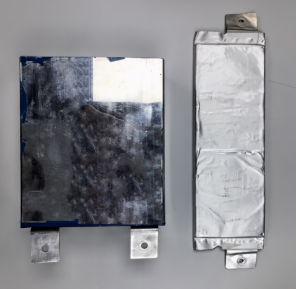
This study utilized standard aluminum blocks machined to the dimensions of two typical cell samples.
- Block #1: 204 × 173 × 53 mm, 5625 g
- Block #2: 274 × 104 × 12 mm, 924 g
Experimental Procedure
- Standard Temperature Difference Baseline Experiment: Select the “Temperature Difference Baseline” mode and perform the experiment according to the standard operating procedure.
- Heating Wire-Assisted Temperature Difference Baseline Experiment: Select the “Temperature Difference Baseline” mode, with the heating wire wound around the sample and connected to an external power supply for auxiliary heating. All other experimental procedures remain identical to the standard baseline experiment.
- Calibration File Verification: Select the “HWS” mode and conduct a stepwise heating test on the aluminum block. Calculate the temperature rise rate at each step to verify the validity of the calibration file.

Experimental Results
As shown in Figure 3, comparing the temperature rise curves obtained from the two baseline methods reveals that in the standard mode, the sample temperature increases slowly within the calorimeter chamber primarily via convection and conduction, with the heating phase constituting the majority of the total experiment time. In contrast, the heating wire-assisted method enables a forced increase in the sample heating rate.

According to Table 1, the single-step duration for the temperature rise curves of samples #1 and #2 after optimization was only 15.8% and 41.4%, respectively, of the time required before optimization, with the improvement being particularly significant for the higher-mass sample. After optimization, the single-step duration for both samples fell within the range of 110-120 minutes. Since a standard temperature difference baseline experiment typically requires 6-10 steps, most samples can now complete the entire experiment within a single day, substantially improving its efficiency.
| Sample ID | Standard Single-Step Duration (min) | Optimized Single-Step Duration (min) | Step Duration Ratio (Optimized/Standard) |
| #1 | 710 | 112 | 15.8% |
| #2 | 285 | 118 | 41.4% |
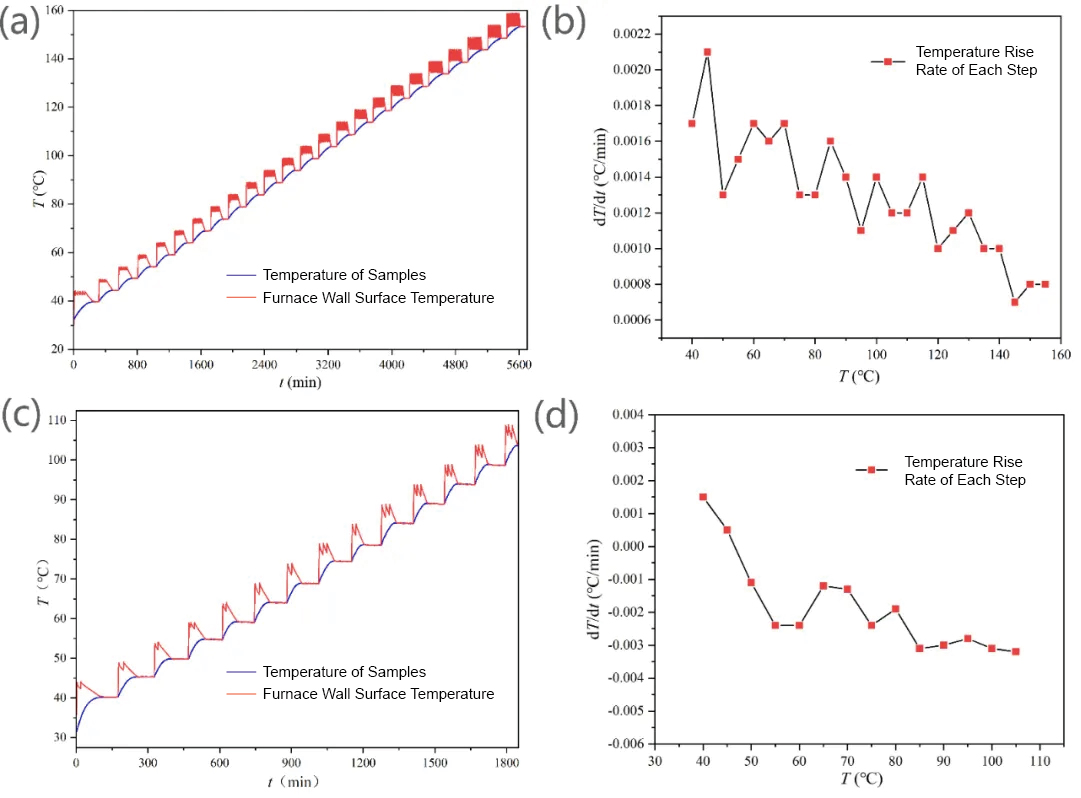
Subsequently, the validity of the calibration file generated by the heating wire-assisted protocol was verified using the HWS mode. As shown in Figure 4, the heating rates at all temperature steps of the HWS temperature rise curves fell within the valid range of -0.005 to 0.005 ℃/min. The excellent adiabatic performance of the calibrated instrument confirms that this optimized protocol enhances experimental efficiency without compromising calibration accuracy.
Conclusion
The heating wire-assisted temperature difference baseline protocol significantly improves experimental efficiency. The optimization effect is particularly pronounced for high-mass samples, enabling users to reduce the time investment and concerns associated with calibration.


