













Adiabatic Thermal Runaway Characteristics Study of Large-Capacity High-Nickel Lithium-Ion Batteries
The increasing size of battery cells presents new challenges for thermal runaway research.
Conventional battery adiabatic calorimeters lack sufficient explosion resistance, posing safety risks when testing large-capacity high-nickel batteries, making such thermal runaway data difficult to obtain.
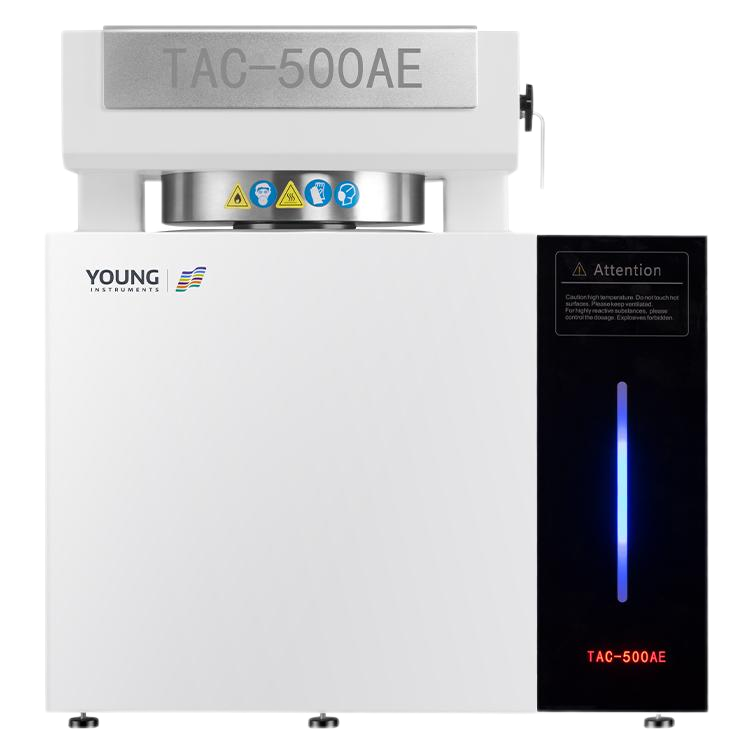
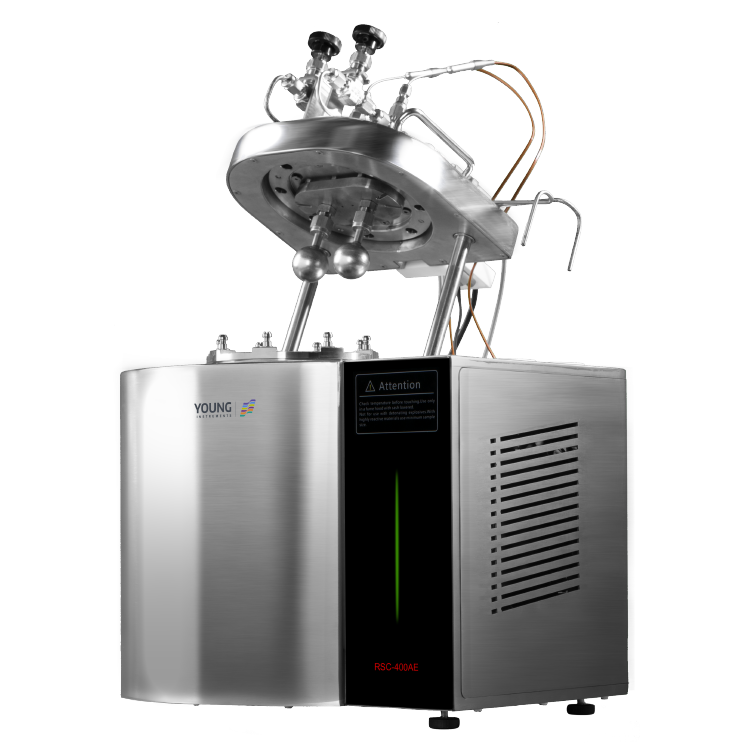
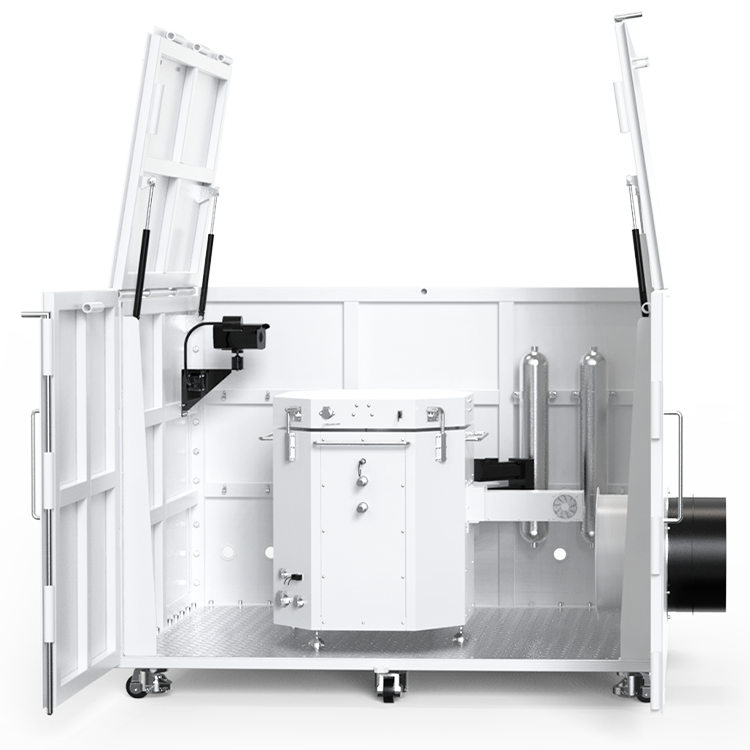
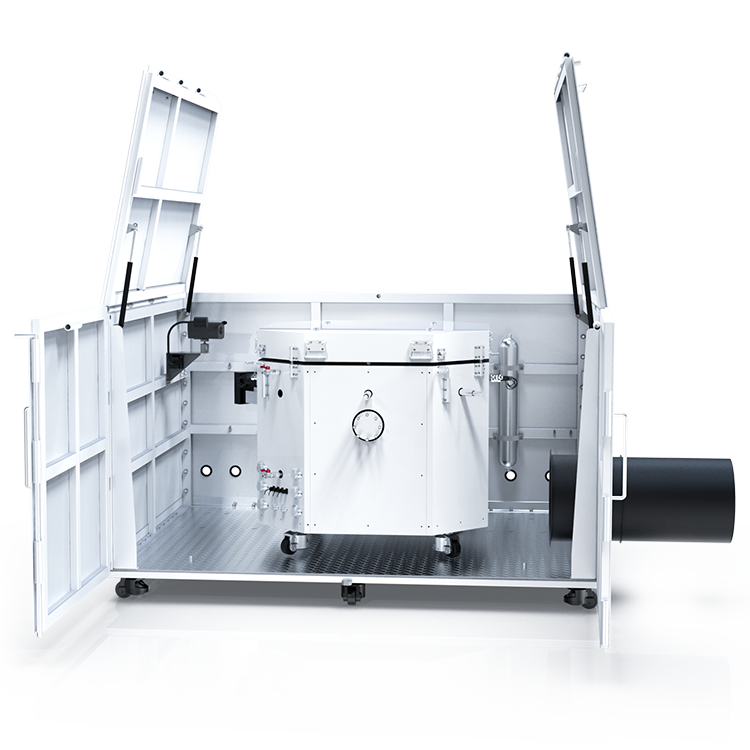
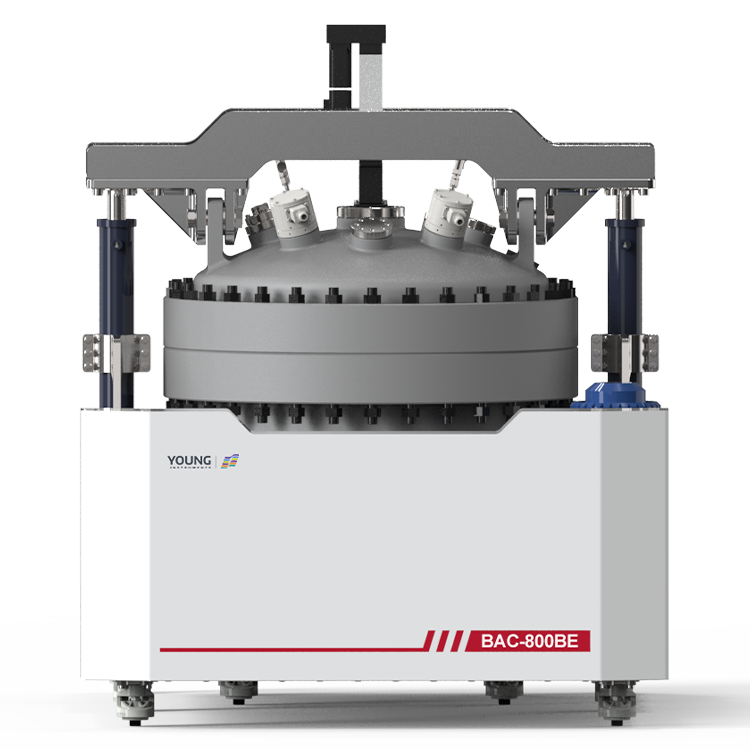
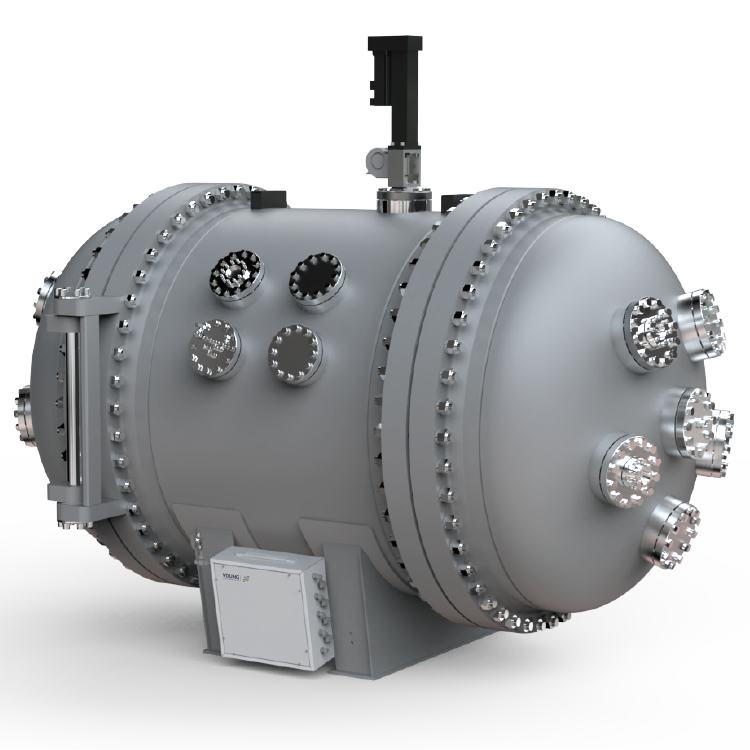
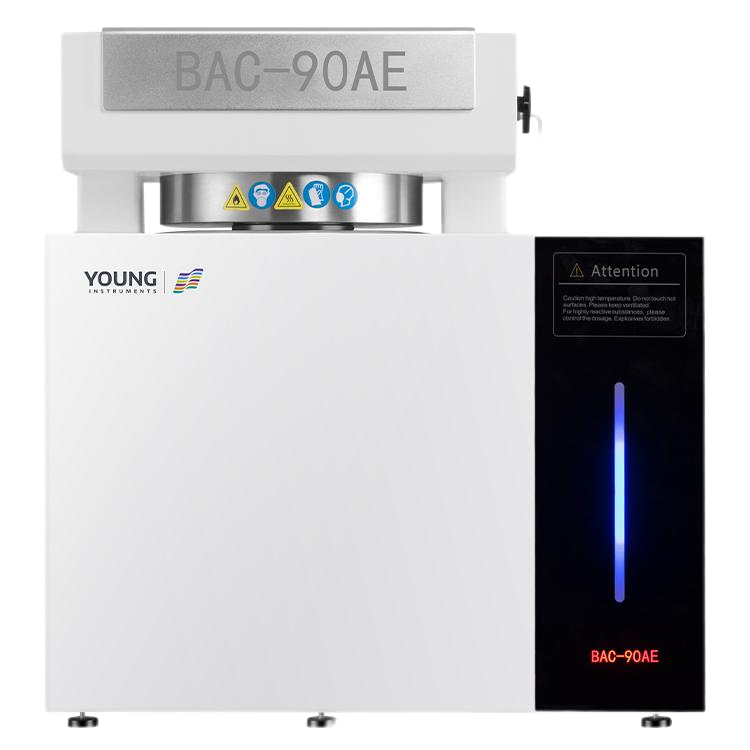
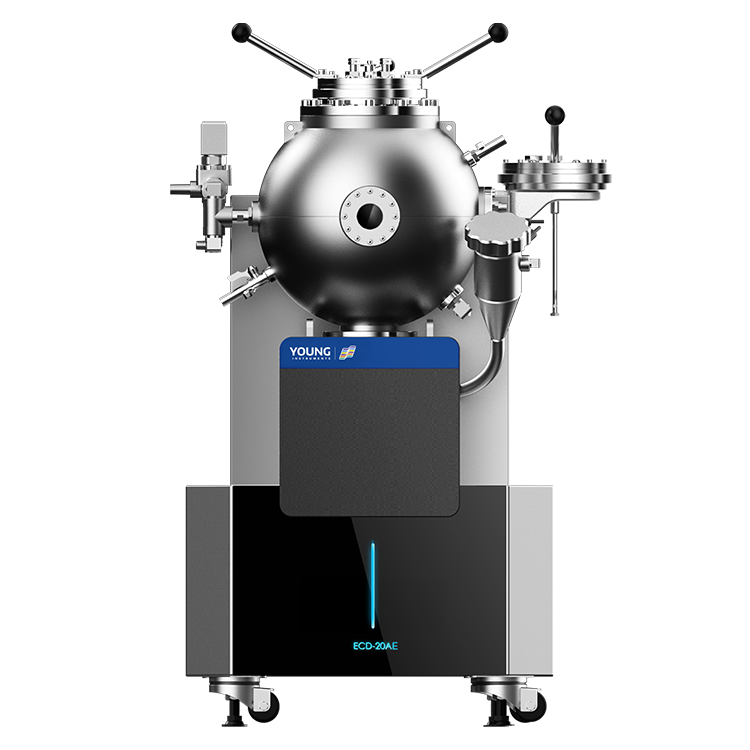
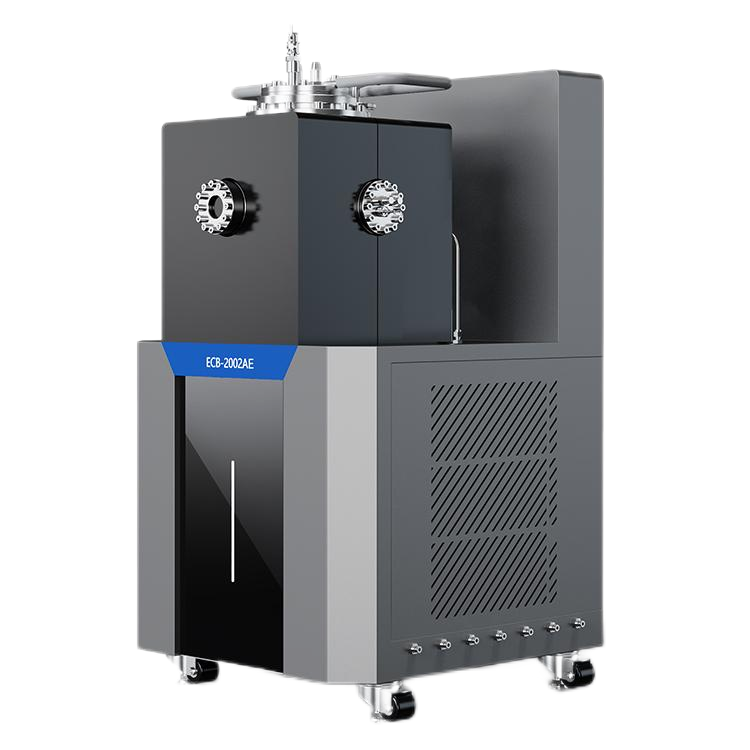
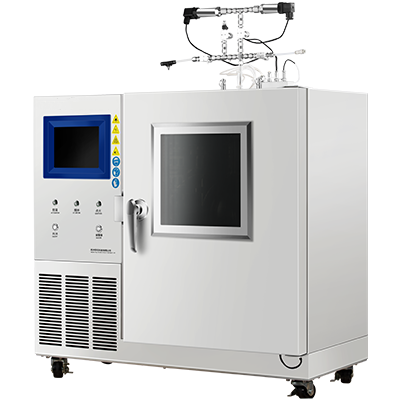
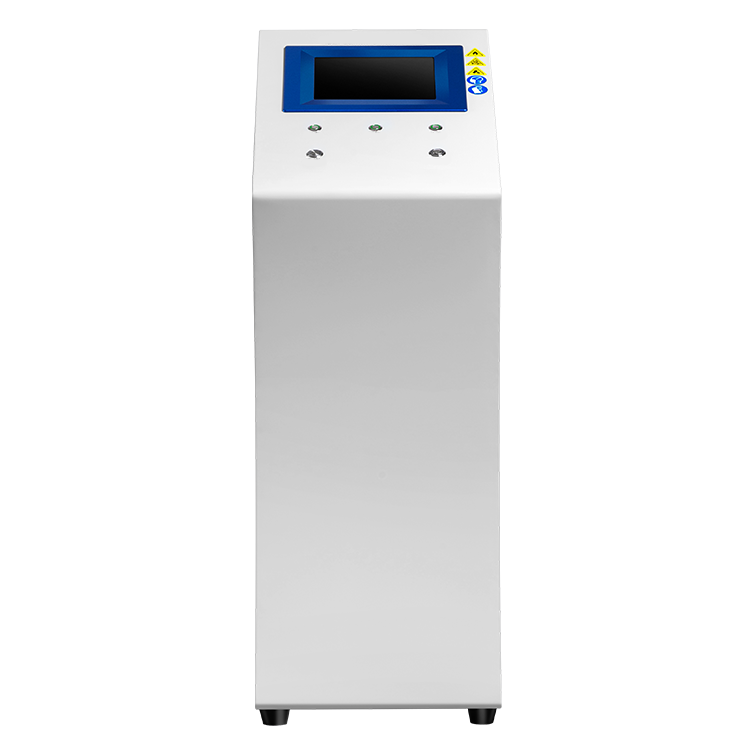
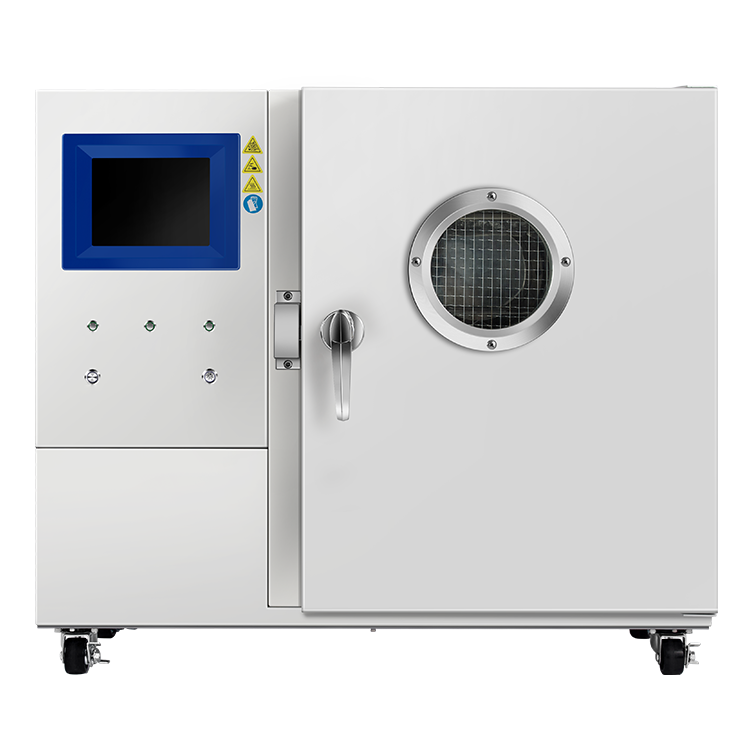
To address these issues, the BAC-420AE Large Battery Adiabatic Calorimeter features an optimized spring-latch structure connecting the top cover and furnace body, enabling rapid pressure release during battery thermal runaway and thereby enhancing explosion resistance.
The BAC-420AE obtained adiabatic thermal runaway data for 190Ah NCM811 cells in standard HWS (Heat-Wait-Search) mode, preliminarily identifying the hazardous characteristics of large-capacity high-nickel battery thermal runaway.
Experimental Conditions
- Sample: 190Ah NCM811 prismatic cell at 100% SOC
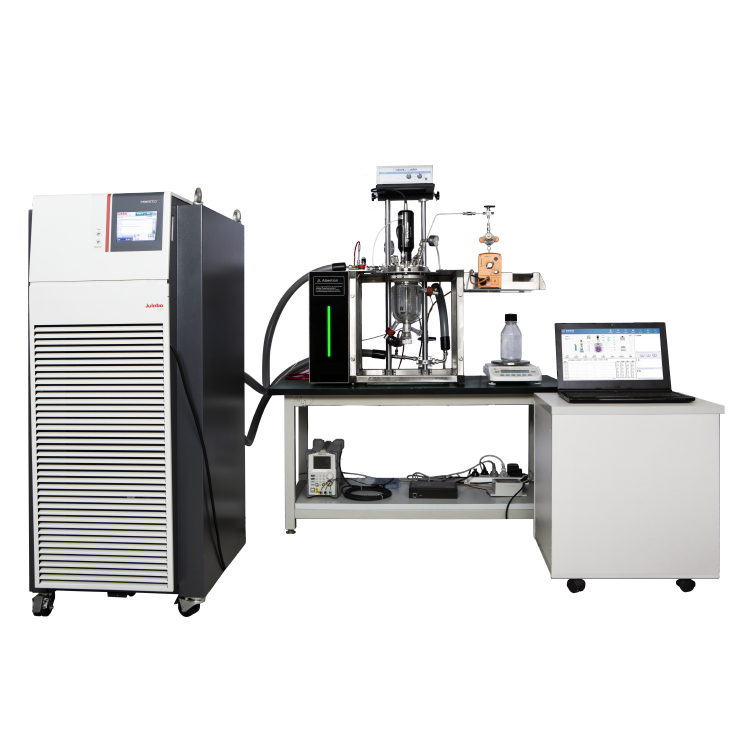
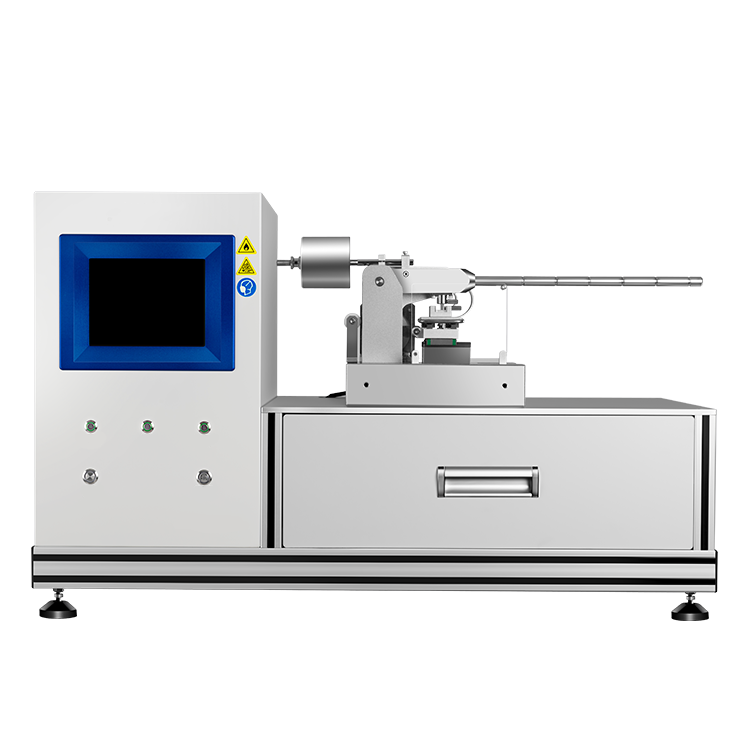
- Instruments: BAC-420AE Large Battery Adiabatic Calorimeter, battery charge/discharge system, TP-700 multi-channel tester
- Ambient temperature: 28℃
- Sampling frequency: 1-100 Hz
- Temperature control mode: HWS-R mode
- Self-heating detection threshold: 0.02 ℃/min
- Thermocouple locations: center of main surface, positive tab, negative tab, 30 mm above vent
Experimental Result
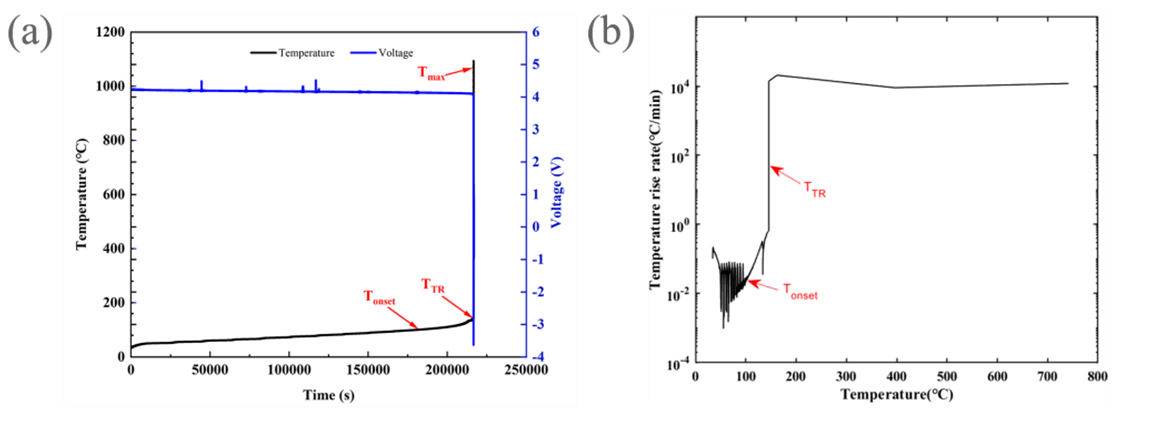
Large-capacity high-nickel battery cells demonstrate extremely high energy release rates after reaching the thermal runaway onset temperature.
As shown in the figure below, even with the instrument top cover being lifted for pressure relief, the peak thermal runaway temperature (Tmax) on the battery surface can still reach approximately 1100℃, with a maximum heating rate exceeding 10,000℃/min – significantly higher than data for LFP and medium/low-nickel NCM batteries.
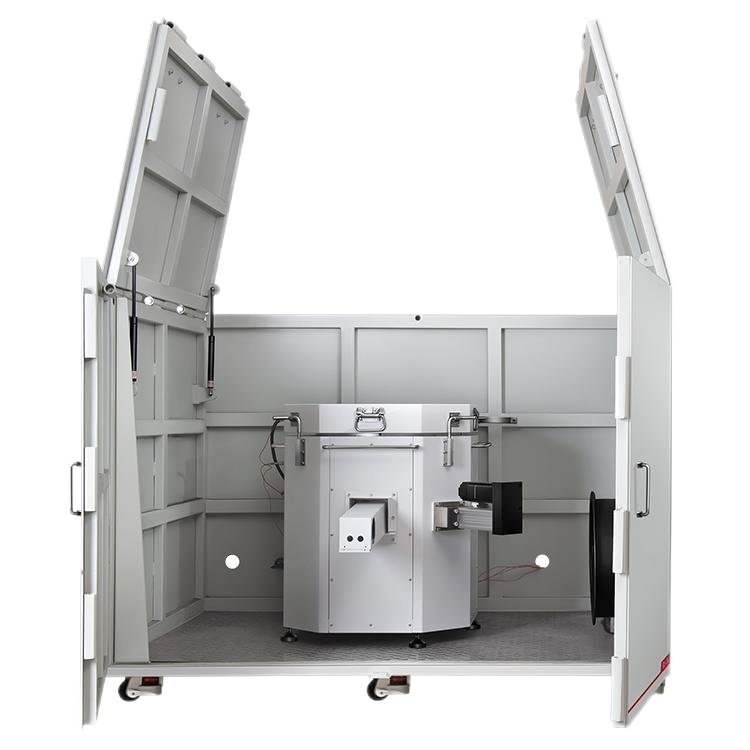
The video surveillance revealed a violent gas eruption and flame jetting during the thermal runaway of the 190Ah cell. Furthermore, on-site observations confirmed that while the instrument remained undamaged, the shockwave generated by the cell explosion demonstrated sufficient force to cause significant structural damage to objects at a 5-meter distance.
Consequently, testing large-capacity high-nickel cells requires laboratory facilities with adequate venting area to ensure safety.
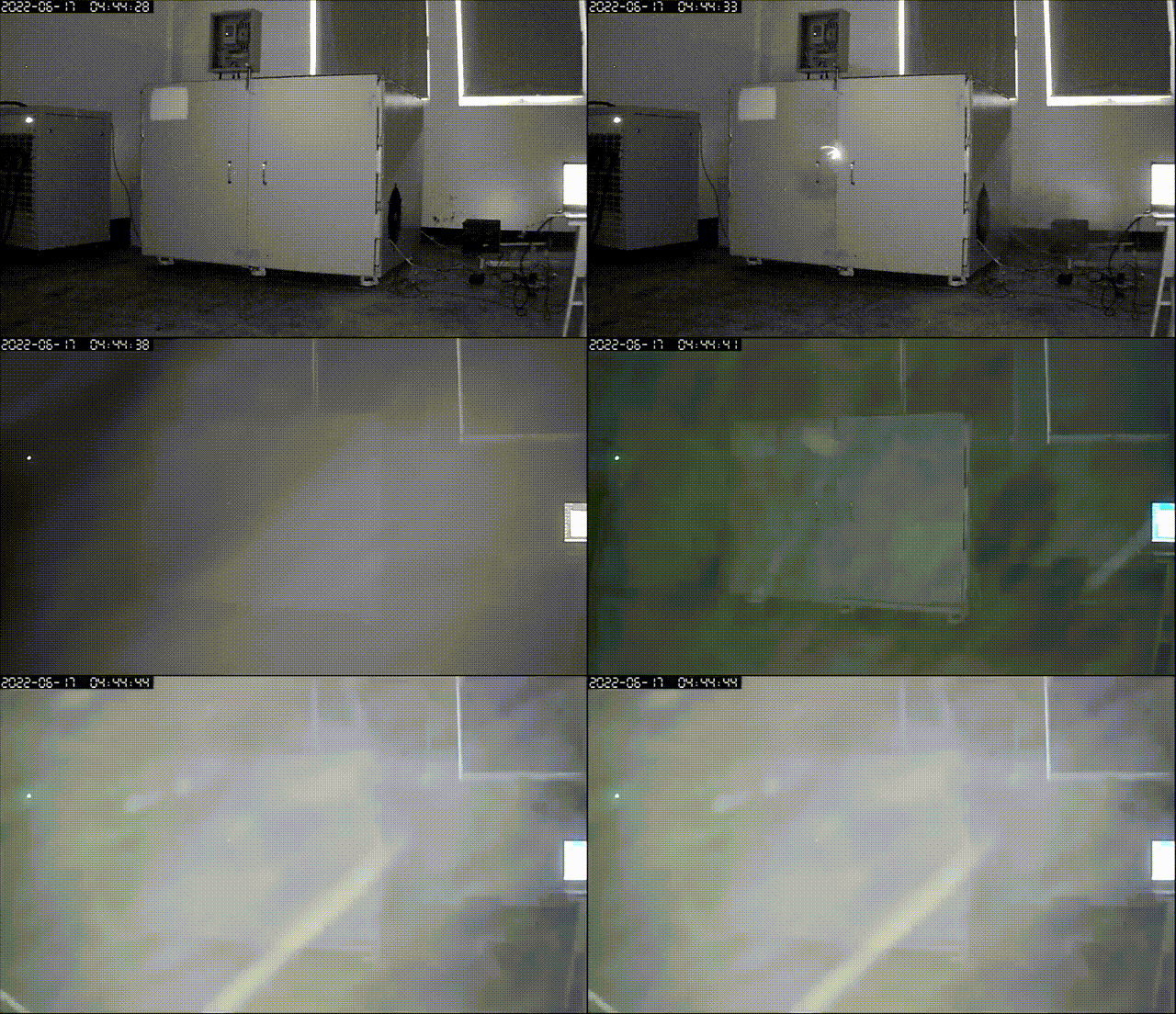 |  |
| Figure 2 190Ah battery thermal runaway process explosion-proof box (a) external and (b) internal video screen | |
Experimental Conclusions
This study employed the BAC-420AE Large Battery Adiabatic Calorimeter to measure thermal runaway parameters of high-nickel lithium battery cells with large capacity. The obtained data can be directly applied to thermal runaway risk assessment and thermal management system design for such batteries, thereby enhancing safety in application scenarios including electric vehicles, energy storage power stations, and civil aerospace.


