














Study on the Flash Point Behavior of Flammable Liquid Aqueous Solutions
The flash point, a critical parameter characterizing the volatility and flammability of liquid or solid substances, is of significant importance across various industries. This is particularly true in sectors such as coatings, pesticides, pharmaceuticals, and fine chemicals, where aqueous solutions of flammable liquids are commonly employed. Determining the flash point of such mixtures is essential for identifying fire and explosion hazards and for developing appropriate control measures.
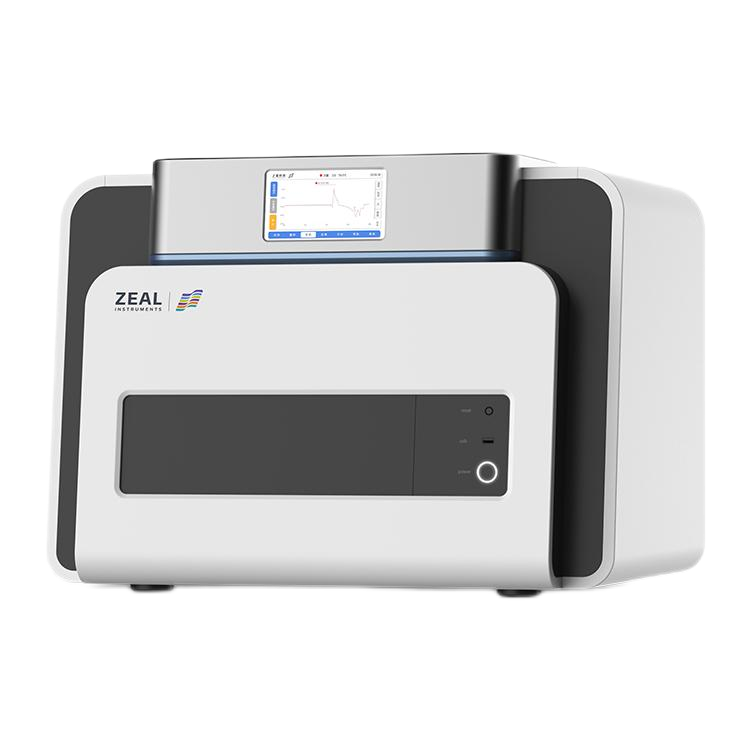
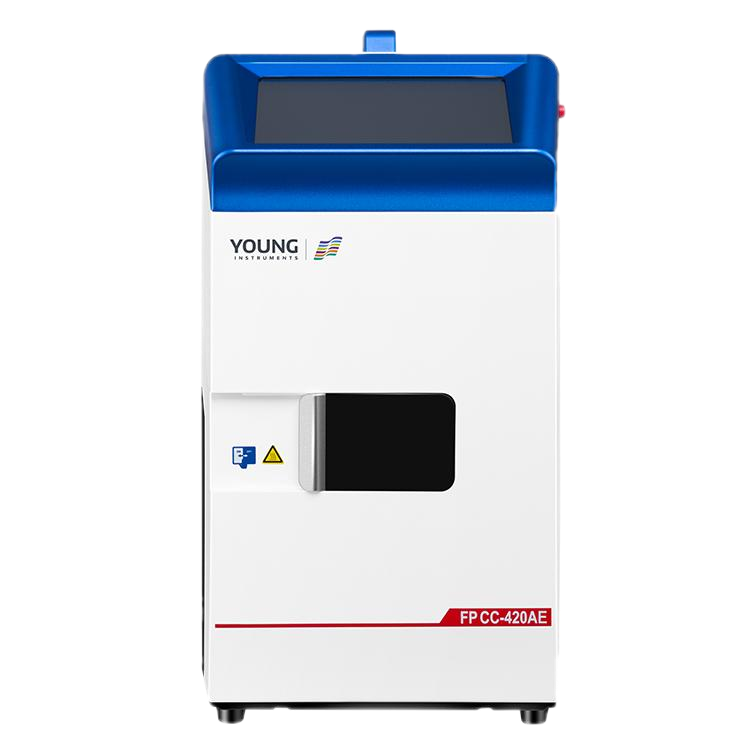
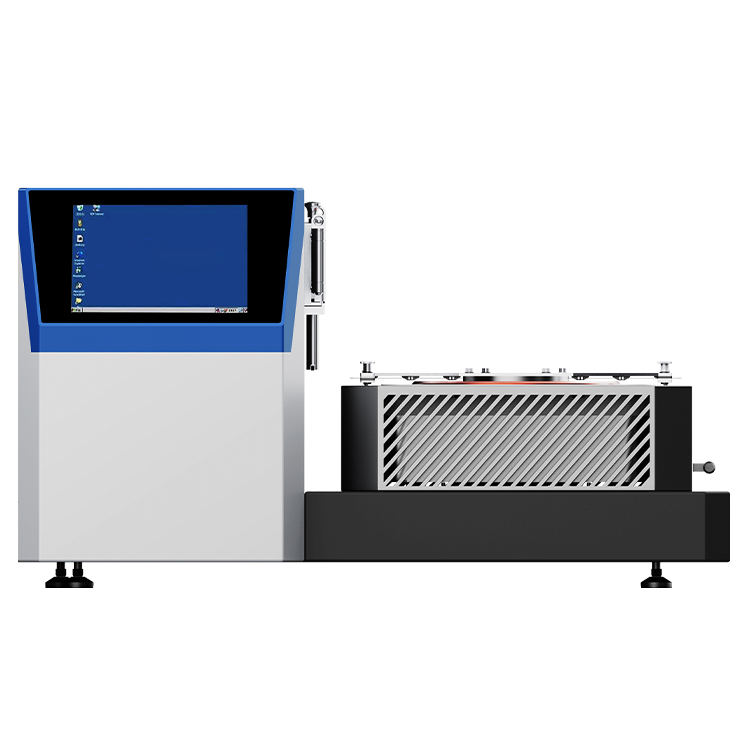
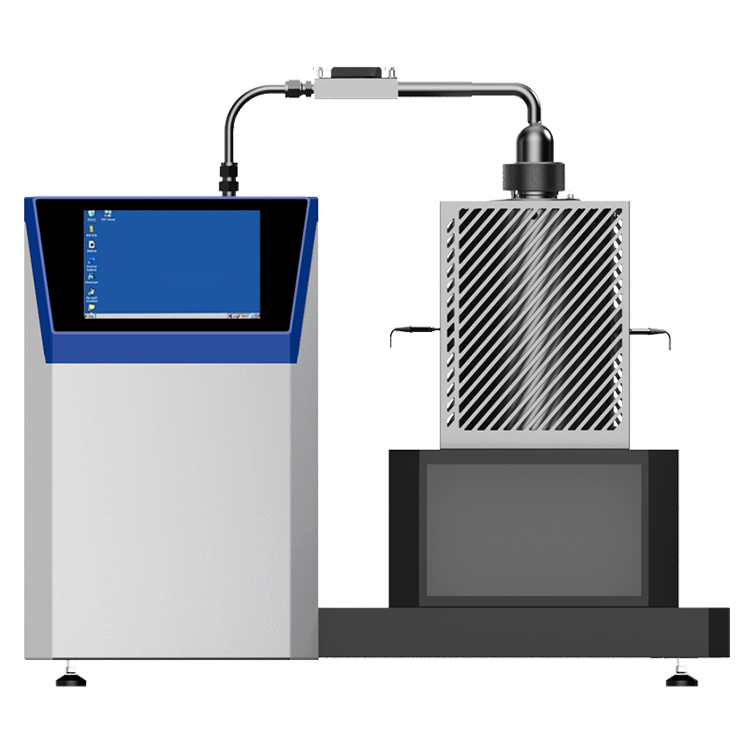
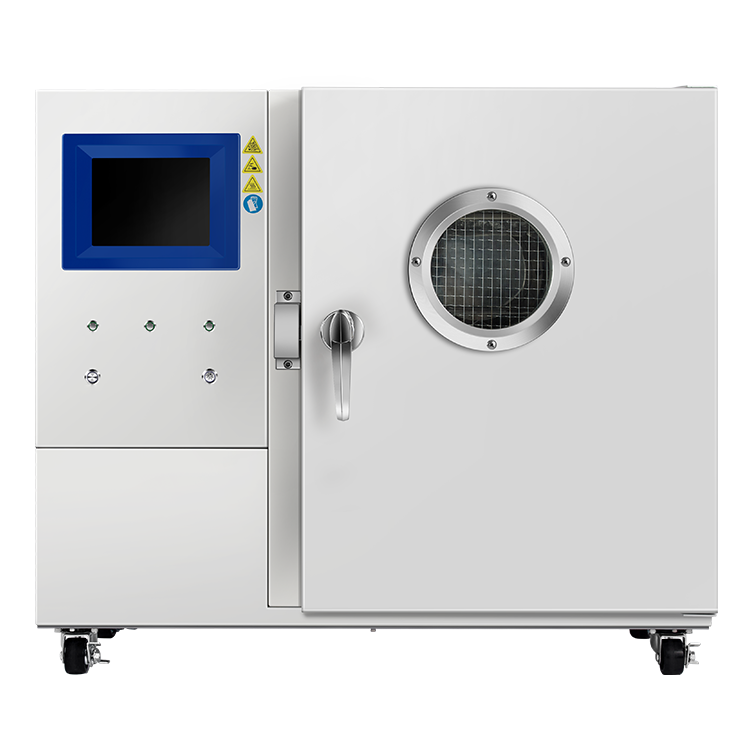
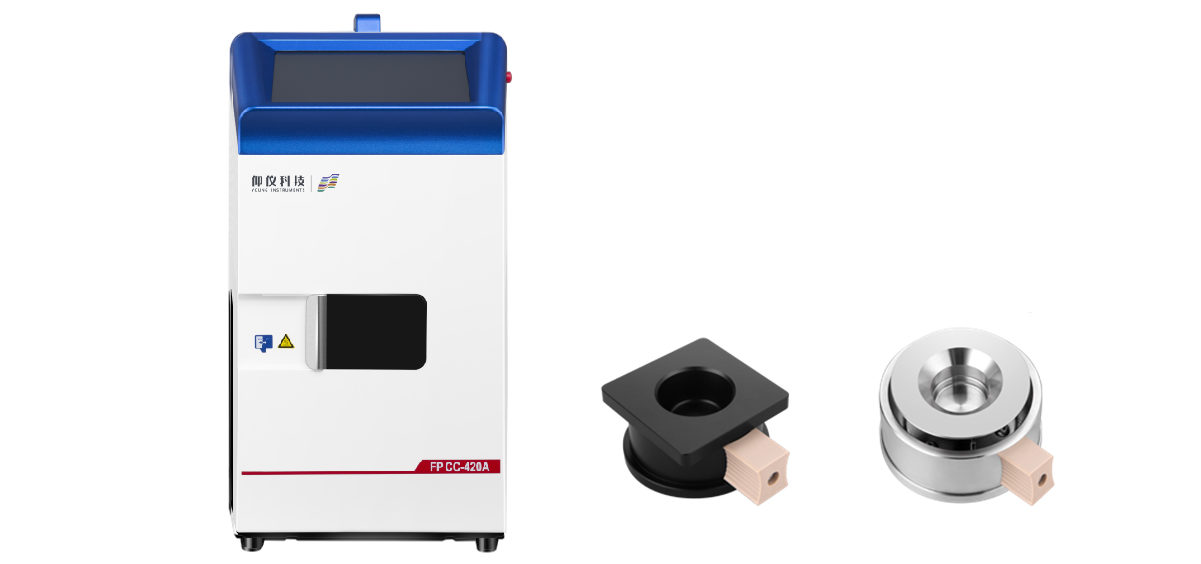
In this study on flash point behavior, conducted using the FP CC-420AE Micro Continuous Closed-Cup Flash Point Tester, the relationship between flash point and concentration was investigated for three typical flammable liquid aqueous solutions. Additionally, a comparative analysis was carried out between the conventional Closed Cup Tester (ASTM D6450) and the improved Continuous Closed Cup Tester (ASTM D7094) methods to evaluate differences in test results.
Experimental Conditions
The experiment employed three chemical substances: anhydrous ethanol, acrylic acid, and dimethylacetamide. Each chemical was mixed with pure water in prescribed proportions to prepare solutions with a graded concentration series, as summarized in Table 1.
| Material Name | Specification | Boiling Point(℃) | Open Flash Point(℃) |
| Acrylic Acid | CP | 140.9 | 54 |
| Dimethylacetamide | CP | 166 | 66 |
| Anhydrous Ethanol | AR | 78 | 12 |
Experimental Result

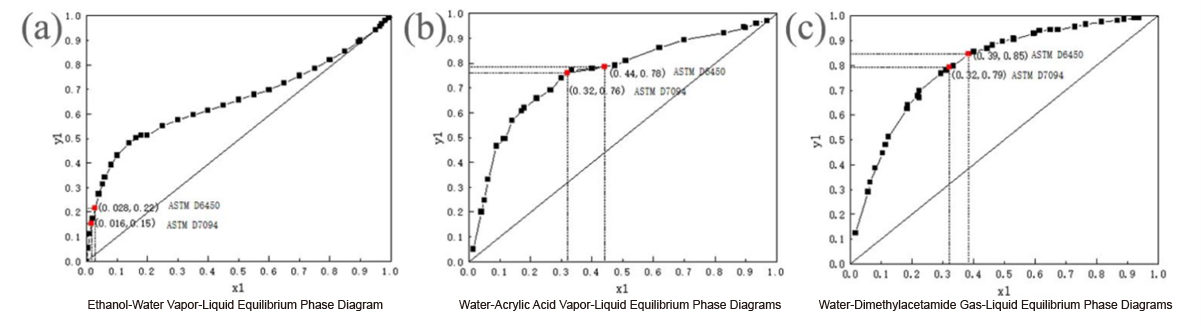
As shown in Figure 1, the flash points of ethanol, acrylic acid, and dimethylacetamide solutions all increased monotonically with dilution. Although these binary solutions do not behave ideally and thus deviate from Raoult’s law, the vapor-phase mole fraction of the flammable component under vapor-liquid equilibrium generally changes in the same direction as its liquid-phase mole fraction (refer to Figure 2). As a result, the saturated vapor pressure of the flammable liquid in dilute solutions is relatively low, and a higher temperature is required to reach the lower flammability limit (LFL) of the organic vapor.
The lower concentration limits for flash point detection—that is, the minimum liquid-phase mole fraction of the flammable component—were determined to be 1.6% for ethanol, 56% for acrylic acid, and 61% for dimethylacetamide. Below these limits, the high partial pressure of inert water vapor in the test chamber prevents flash ignition of the organic vapor. Furthermore, the lower concentration limit is positively correlated with the boiling point and open-cup flash point of the pure substance. This suggests that the more volatile and flammable the sample, the wider the concentration range over which its aqueous solution can sustain flash ignition.
Additionally, the ASTM D6450 and ASTM D7094 test methods showed strong agreement in measuring flash points at individual concentrations. However, differences in sample size, heating rate, air intake, and other parameters led to some discrepancies in the determined lower concentration limits (see Figure 2 and Table 1). Since the accumulation of vapor concentration to the LFL during testing is a complex, nonlinear process involving multiple coupled factors, no clear systematic relationship was observed between the lower concentration limit and the test method.
Sample | ASTM D7094 | ASTM D6450 | ||
Lower Concentration Limit% | Organic Vapor Mole Fraction% | Lower Concentration Limit% | Organic Vapor Mole Fraction% | |
Anhydrous ethanol | 1.6 | 15 | 2.6 | 22 |
Acrylic acid | 68 | 24 | 56 | 22 |
Dimethylacetamide | 68 | 21 | 61 | 15 |
Experimental Conclusion
The flash point of aqueous solutions of flammable liquids increases monotonically with their dilution level. The detectable concentration range for flash point is governed primarily by the volatility and flammability of the pure substance, and is also influenced by the specific detection methodology employed.


