













Studying Auto-decomposition of Air-Sensitive Samples by Adiabatic Calorimetry
Thermal analysis instruments such as Accelerating Rate Calorimeters (ARC), Differential Scanning Calorimeters (DSC), and Thermogravimetric Analyzers (TG) are widely used to study thermally induced auto-decomposition reactions of chemicals, obtaining decomposition heats and kinetic data. However, they all face a common challenge in specific applications: for samples susceptible to moisture absorption (e.g., metal-organic complexes, acrylates) or oxidative degradation (e.g., lithium battery electrode materials, phenolic compounds) upon air exposure, it is difficult to strictly avoid air contact during sample preparation and loading unless the instrument and auxiliary equipment are entirely housed within a glovebox. Partial sample degradation can compromise the accuracy and validity of test results.
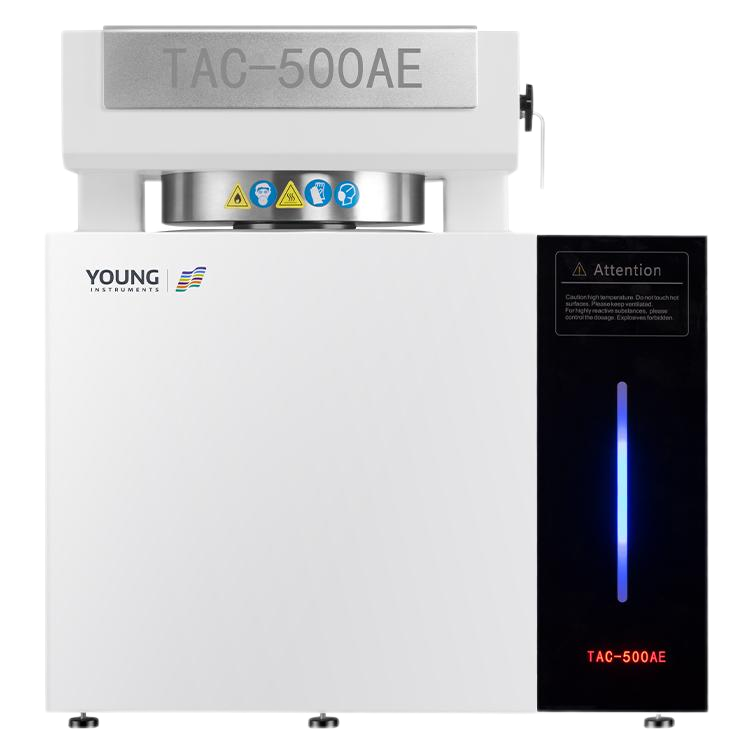
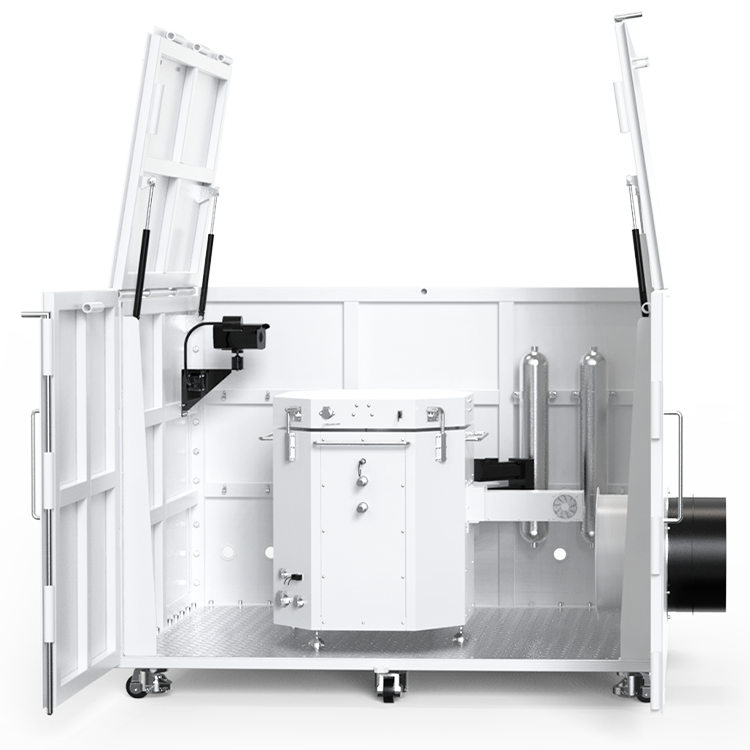
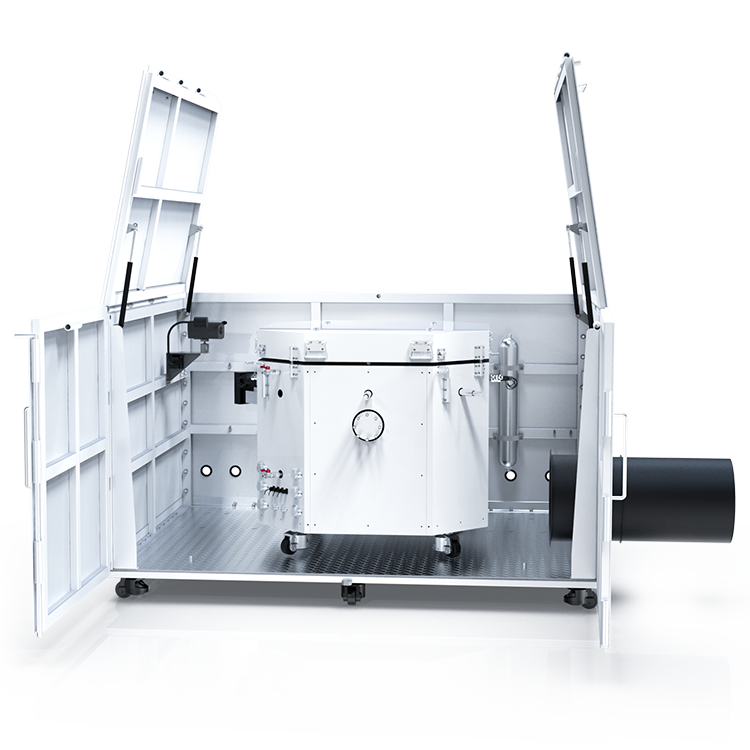
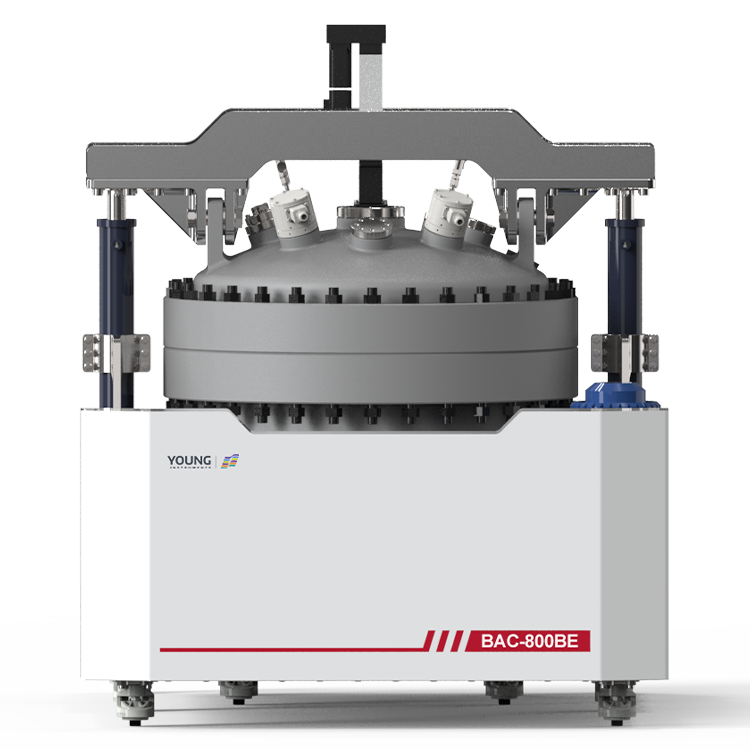
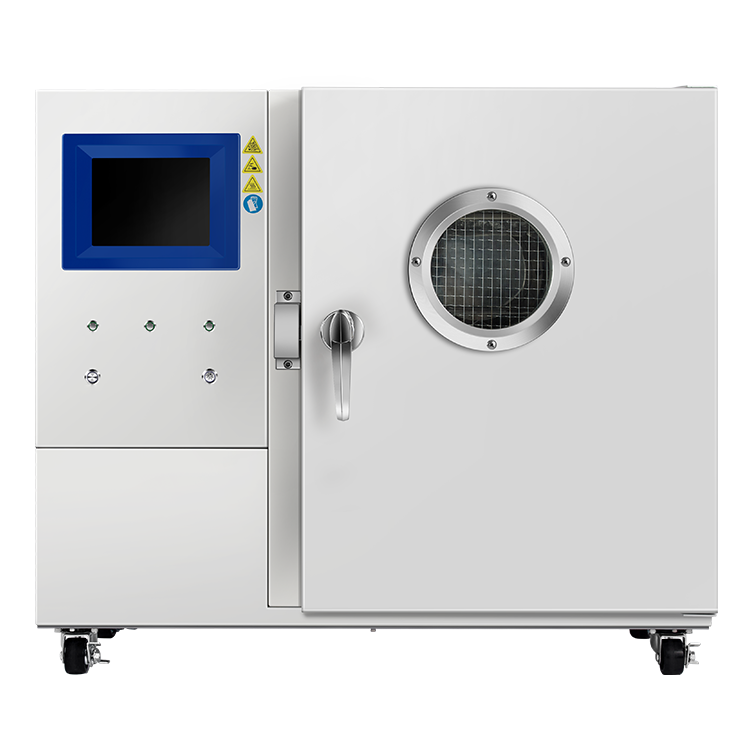
This study leverages the structural design of the TAC-500AE Accelerating Rate Calorimeter by developing a specialized loading technique to investigate the thermal decomposition of a highly moisture-sensitive titanium-amine compound under nitrogen versus air atmospheres. Comparison of the thermal decomposition curves under these two conditions demonstrates that the sample in an inert atmosphere exhibits a lower initial decomposition temperature, higher heat release rate, and greater decomposition enthalpy, whereas the exothermic characteristics are significantly attenuated in air. The results confirm that this method effectively isolates the sample from air interference, providing a rigorous and effective approach for studying the auto-decomposition behavior of such specialized samples.
Experimental Conditions
- Sample: Titanium-amine reagent
- Instrument: TAC-500AE Accelerating Rate Calorimeter
- Temperature Control Mode: HWS mode
- Sample Cell Type: Hastelloy
- Start Temperature: 50℃
- Target Temperature: 450℃
- Step Heating Rate: 5℃/min
- Step Heating Increment: 10℃
- Temperature Rise Detection Threshold: 0.02℃
Experimental Procedure
Experiment under Nitrogen Atmosphere
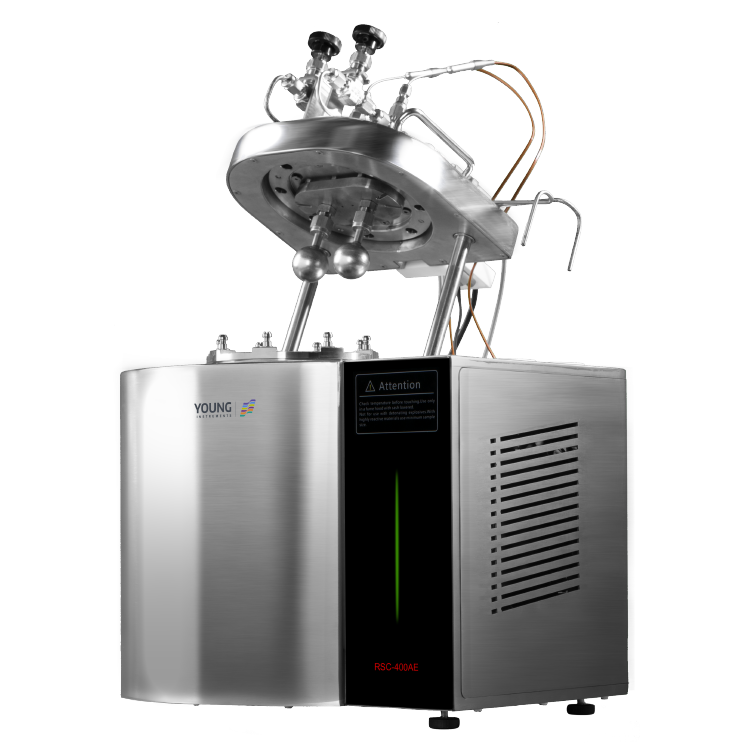
Weigh 0.6 g of the sample and load it into the calorimetric bomb. Place a sealing/crushing tube at the bomb inlet, then connect it to the adapter assembly. After tightening the assembly, the sealing tube completely seals the bomb. The entire sample preparation process is completed within a nitrogen glove box.
Insert the thermocouple into the blind hole of the calorimetric bomb. Then, pass the adapter assembly from the bottom of the furnace lid through the ceramic fiber insulation layer.
Connect the adapter assembly to the four-way valve, close the instrument’s upper cover, set the experimental parameters, and begin the test.

Experiment under the Air Atmosphere
The sample was loaded using the conventional procedure outside the glove box, with a sample mass of 0.6 g.
Experimental Results
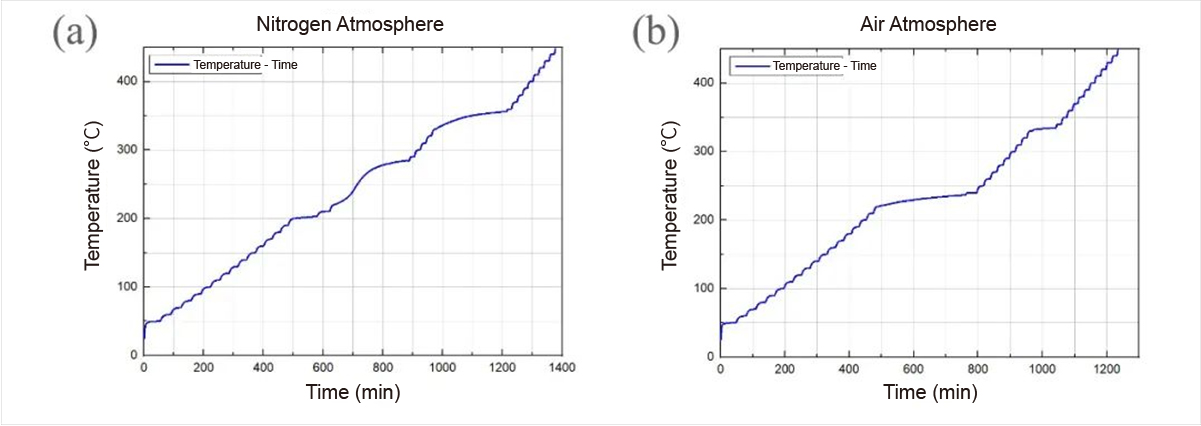
As shown in Figure 1, three distinct exothermic regions were detected for the sample under the nitrogen atmosphere, whereas only two exothermic regions were observed under the air atmosphere. Furthermore, the exothermic peaks within the corresponding regions are more pronounced under nitrogen. This suggests that partial sample degradation may have occurred due to moisture absorption from the air prior to testing.

The temperature rise rate versus temperature curve of the sample within the adiabatic temperature rise interval is shown in Figure 2. It can be observed that the maximum temperature rise rate of the sample under a nitrogen atmosphere reaches 0.7 ℃/min, while under an air atmosphere, it does not exceed 0.3 ℃/min. This is likely because partial degradation of the sample reduced the amount of reactive substance, leading to a decrease in the rate of the auto-decomposition reaction.
The self-heating onset temperature (Tonset) and adiabatic temperature rise (ΔTad) data for the samples under the two conditions are presented in Table 1. The data show that for the second and third exothermic stages, the Tonset temperatures of the samples in both experimental groups are highly consistent. However, the ΔTad in the air atmosphere is significantly lower. This indicates that the same auto-decomposition reaction occurred in both samples during these two stages, but the amount of substance participating in the decomposition reaction was reduced in the air group experiment due to sample degradation.
Experiment | First Exothermic | Second Exothermic | Third Exothermic | |||
Tonset/℃ | △Tonset/℃ | Tonset/℃ | △Tonset/ | Tonset/℃ | △Tonset/℃ | |
Nitrogen Atmosphere | 200.13 | 2.04 | 220.29 | 64.34 | 330.59 | 25.35 |
Air Atmosphere | – | 220.31 | 16.43 | 329.787 | 4.68 | |
Conclusion
The experimental results demonstrate that the TAC-500AE Accelerating Rate Calorimeter (ARC) can effectively determine the auto-decomposition and exothermic characteristics of air-sensitive samples. The methodology described in this study addresses the limitations in data accuracy and rigor associated with conventional thermal analysis instruments when testing such materials.


